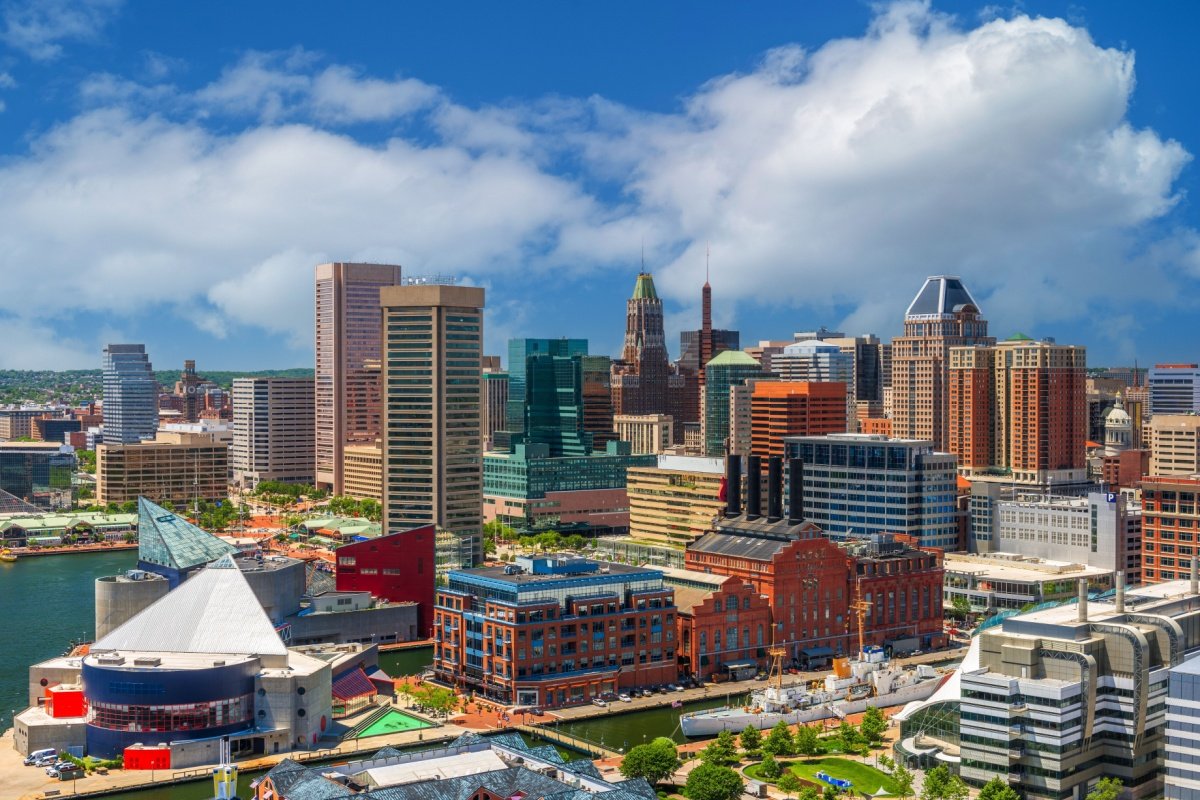
Maryland lawmakers declined to advance two bills aimed at banning sweepstakes casinos: House Bill 295 and House Bill 1226. This came after both measures stalled in the state Senate before the legislative session ended earlier this month. Both bills, which were backed by the Maryland Lottery and Gaming Control Agency, had previously passed the House with strong bipartisan support but failed to clear the Senate Budget and Taxation Committee.
The decision not to advance HB 295 and HB 1226 represents a rare victory for the sweepstakes casino industry, which has faced increasing legislative pressure across the U.S. This includes a recent sweepstakes casino ban in Maine.
The Social Gaming Leadership Alliance (SGLA) praised the result, framing it as a sign that lawmakers are taking a more measured approach. Managing Director Sean Ostrow said the group appreciated the opportunity to engage with policymakers and counter criticism from traditional casino interests. He argued that “Social Plus” platforms, which is the amended name for sweepstakes casinos, already incorporate consumer protections and contribute economically.
Rather than an outright ban, the SGLA continues to push for a regulatory framework that would formally recognize and tax sweepstakes operators.
The failure of HB 295 and HB 1226 comes alongside Maryland’s inability to advance legislation to legalize regulated iGaming. Efforts to introduce iGaming have faced bipartisan resistance, with some lawmakers citing concerns about increased gambling addiction. Additionally, local stakeholders argue that online casinos could reduce tax revenues and threaten jobs tied to brick-and-mortar operations.
In that context, banning sweepstakes casinos without establishing a regulated iGaming alternative could have created unintended consequences.
With no legal real-money online casino options available, players seeking those experiences may have been pushed toward offshore platforms that operate outside U.S. regulatory oversight. These sites lack consumer protections and responsible gaming safeguards, increasing potential risks for Maryland residents.
Although HB 295 and HB 1226, the issue is far from settled. State regulators have already taken an aggressive stance in the past, issuing multiple cease-and-desist orders to major sweepstakes operators.
That enforcement pattern signals that lawmakers and regulators are aligned in viewing sweepstakes casinos as unauthorized under current law, even without a formal statutory ban. Given that context, a renewed legislative push in 2027 appears likely.
With continued regulatory pressure and a broader nationwide crackdown on sweepstakes platforms, Maryland lawmakers are expected to revisit the issue with similar or revised proposals in the next session.