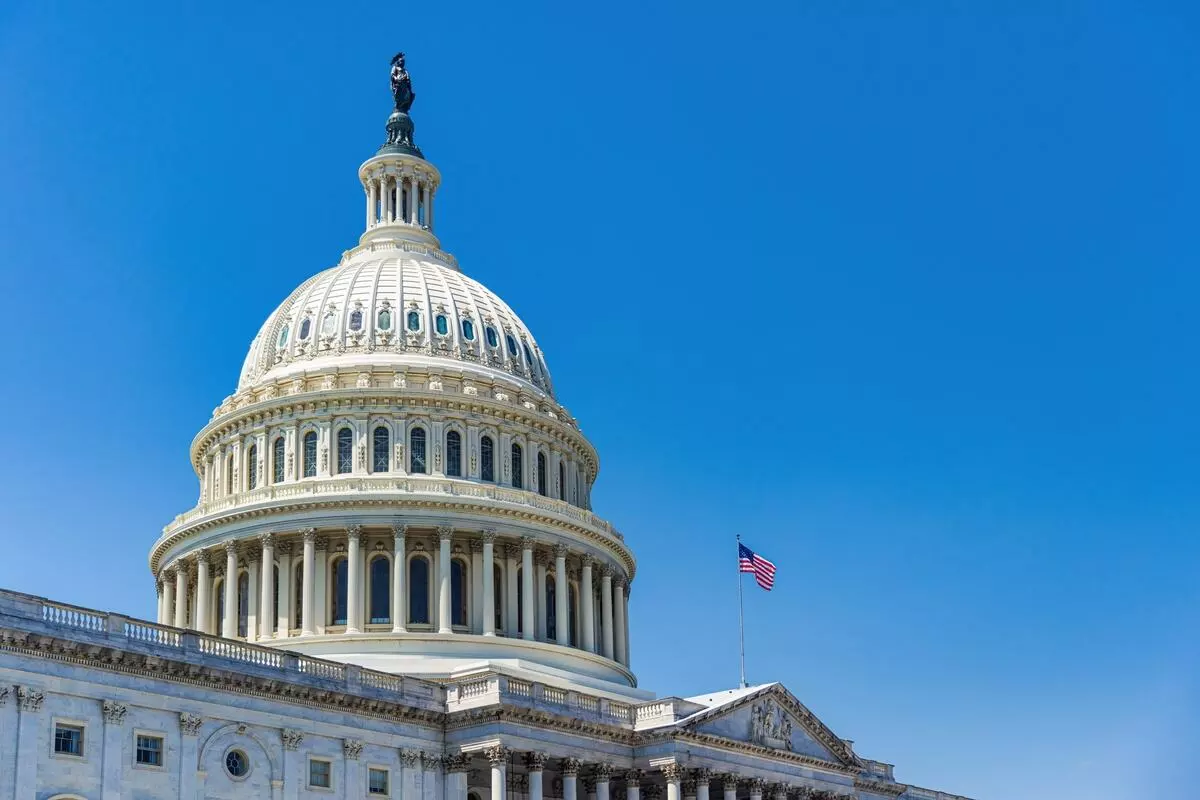
Massachusetts lawmakers are working to expand gaming options for residents. They want to legalize online casino gaming, known as iGaming, to increase state tax revenue. Two bills, House Bill 332 and Senate Bill 235, are being reviewed.
On June 23, 2025, the Joint Committee on Consumer Protection and Professional Licensure held a public hearing to discuss these proposals. No final decisions were made, but the talks show progress toward potential legalization.
House Bill 332, led by Rep. Daniel Cahill, and Senate Bill 235, introduced by Sen. Paul Feeney, allow the state’s three casinos to partner with up to two online operators each.
The Massachusetts Gaming Commission could also issue two extra licenses not linked to physical casinos. Each license costs $5 million for five years, and operators would pay a 20% tax on their earnings. This setup ensures state control and consumer safety.
“Online casino gaming is already happening in Massachusetts, just not in a legal, regulated, or taxed environment,” DraftKings Government Affairs Manager David Prestwood said.
DraftKings would likely be an immediately viable option for one of the available licenses, and Prestwood’s statement reinforces where some of the major players stand on this development.
Prestwood said iGaming could bring in up to $275 million in tax revenue each year at market maturity. This could fund schools, roads, and other services. They also argue that regulating iGaming would protect players from illegal websites.
“Massachusetts can lead by passing smart, well-regulated, and reasonably taxed i-Gaming legislation, protecting citizens while unlocking hundreds of millions in new revenue,” added the DraftKings executive.
However, critics fear job losses at brick-and-mortar casinos. A 2025 Innovation Group study estimates that 862 gaming jobs and 2,786 support jobs could be lost. In New Jersey, casino jobs dropped 17% from 2019 to 2024 after iGaming grew.
Massachusetts is part of a regional trend exploring iGaming.
Massachusetts, which legalized casinos in 2011 and sports betting in 2022, ranked 14th in casino revenue in 2024. iGaming could strengthen this position as operators vie to expand their footprints after several years of slow growth.
However, passing iGaming laws may not mean quick results. The state’s online lottery, legalized in July 2024, was delayed from fall 2025 to spring 2026 due to funding issues. iGaming could face similar hurdles.
The push for iGaming includes efforts to involve the public. The June 23 hearing welcomed comments from residents, industry leaders, and advocacy groups. The Massachusetts Gaming Commission, which oversees sports betting under Chapter 23N, would regulate iGaming if approved. This agency ensures fair practices and consumer protections.
Meanwhile the Joint Committee on Consumer Protection and Professional Licensure will keep reviewing the bills. No date for a vote has been set, as lawmakers are taking time to balance economic benefits with potential risks, ensuring a transparent process.
The results of these discussions will shape the future of gaming in Massachusetts.