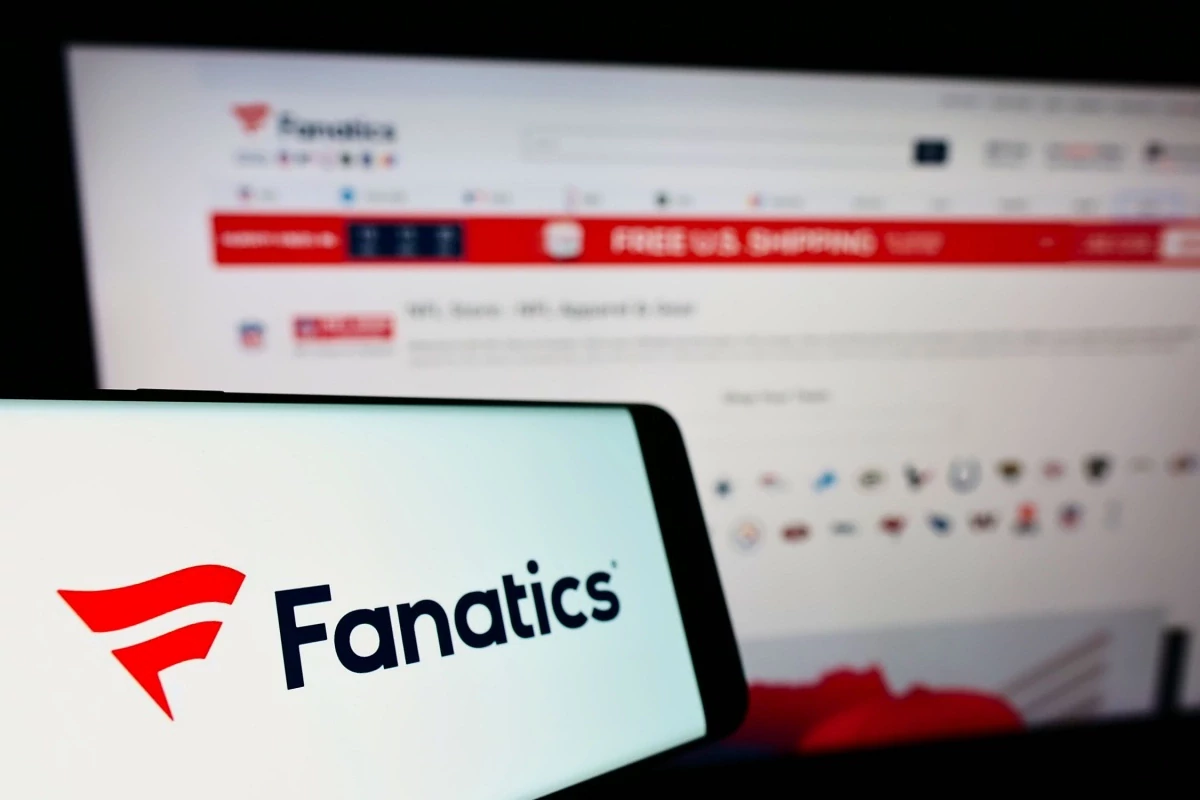
Fanatics is considering a dramatic increase in sportsbook marketing spending as it looks to narrow the gap with industry leaders DraftKings and FanDuel.
Speaking to Bloomberg, Fanatics CEO Michael Rubin said the company may spend as much as $1 billion on betting and gaming advertising in 2027. The potential investment would represent a significant jump from the approximately $350 million Fanatics expects to spend on marketing this year.
Rubin acknowledged that Fanatics remains well behind the two dominant operators in the U.S. online sports betting market. DraftKings and FanDuel continue to control the majority of wagering activity nationwide, leaving competitors fighting for a smaller share of customers.
According to Rubin, Fanatics sees a larger marketing budget as one way to accelerate growth and increase its market share. The company is reportedly considering a spending range between $800 million and $1 billion next year, a move that would place it closer to the advertising levels associated with the market’s largest operators.
The comments reflect Fanatics’ aggressive approach since entering the online sportsbook space in 2023. What began as a company known primarily for sports merchandise, trading cards, and collectibles has expanded into sports betting with ambitions of becoming a major player in the gambling industry as well.
One factor separating Fanatics from several competitors is its corporate structure. Because the company is privately held, it does not face the same quarterly shareholder expectations as publicly traded rivals.
That flexibility could allow Fanatics to invest heavily in customer acquisition even if sportsbook profitability remains a longer-term objective. Bloomberg reported that Fanatics expects roughly $2 billion in free cash flow this year and has about $1 billion in net cash with no debt. Those figures could give the company greater freedom to increase spending without the same scrutiny faced by public companies.
Rubin also indicated that Fanatics is projected to generate approximately $14 billion in total revenue this year, with around $2 billion coming from its betting and gaming segment.
While Fanatics is growing, gaining meaningful share in the U.S. sports betting industry remains difficult. DraftKings and FanDuel have spent years building customer databases, establishing brand recognition, and expanding across regulated states.
Rubin noted that growth opportunities in established betting states have become more challenging. Markets such as New York, New Jersey, and Pennsylvania are already mature, making it harder for operators to generate rapid gains through new customer acquisition alone.
At the same time, expansion opportunities through new state launches have slowed. Most large regulated sports betting markets are already active, leaving operators to compete more directly for existing bettors rather than relying on newly legalized jurisdictions.
Fanatics’ proposed spending increase comes as the broader betting landscape becomes more crowded.
In addition to traditional sportsbook competitors, prediction market platforms such as Kalshi and Polymarket have emerged as alternative destinations for sports-related event contracts. Fanatics has also entered that space through Fanatics Markets, giving the company another avenue for customer growth.
Whether the company ultimately spends the full $1 billion remains to be seen. However, Rubin’s comments suggest Fanatics is prepared to invest aggressively as it attempts to move from a distant third-place position toward becoming a more significant challenger in the U.S. sportsbook market.