Minnesota regulators continue to crack down on unlicensed online gambling, targeting offshore sportsbooks and sweepstakes casinos. The Alcohol and Gaming Enforcement division (AGE) has contacted 21 operators since June, warning that continued non-compliance could jeopardize future licensing once sports betting is legalized.
Here is the full list of offshore platforms that the AGE has contacted:
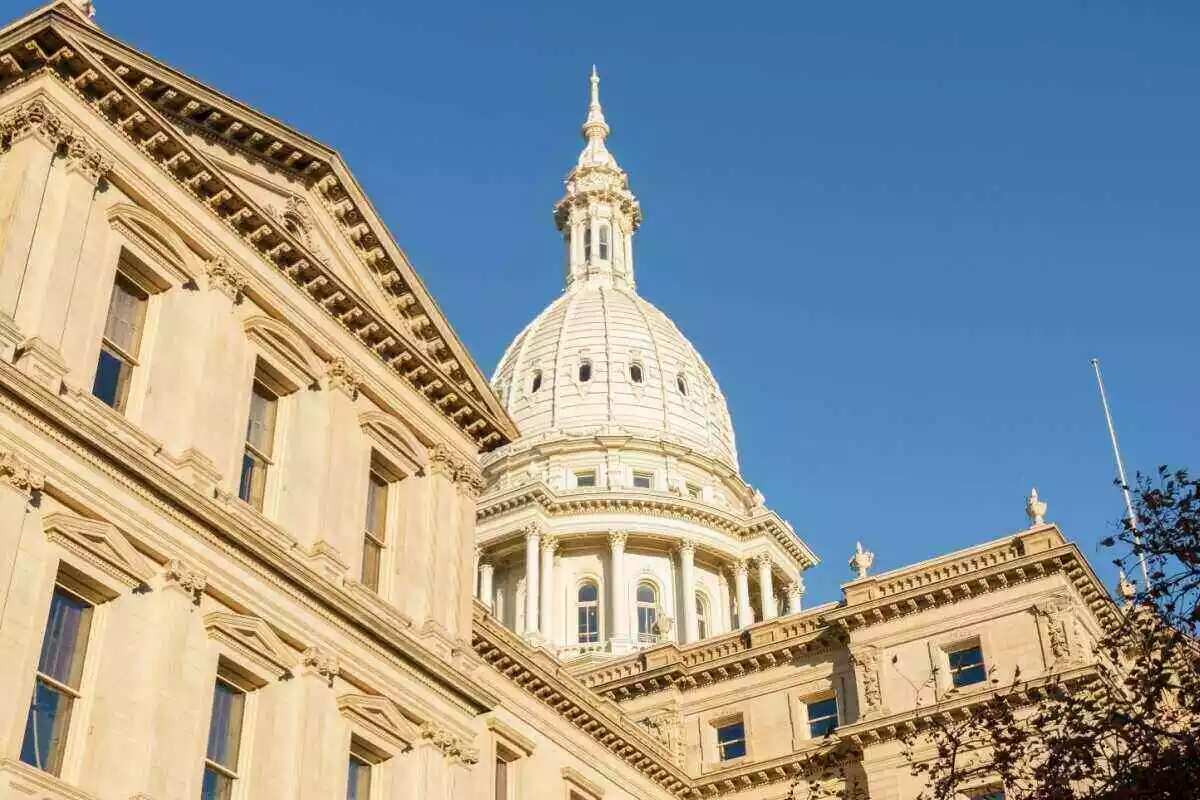
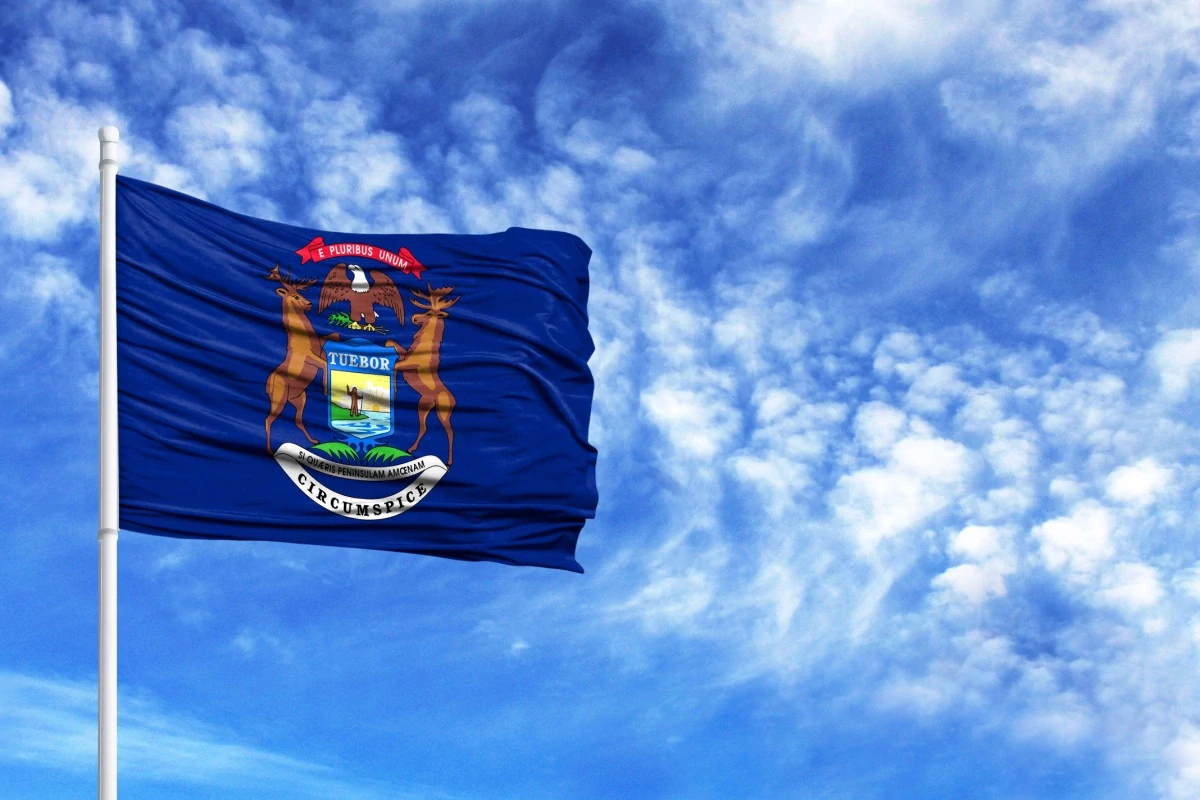
Minnesota’s crackdown mirrors similar efforts nationwide, including recent enforcement actions in Michigan. Earlier this month, the Michigan Gaming Control Board ordered several offshore platforms to exit the Michigan market, citing violations of state gambling laws. That move set a precedent for other states seeking to rein in unlicensed operators.
Following Michigan’s lead, Minnesota’s Attorney General joined 50 counterparts from across the country in urging the U.S. Department of Justice to take stronger action against illegal offshore gambling. The bipartisan coalition argued that such sites evade taxes, offer no consumer protections, and fail to address problem gambling risks.
By identifying and warning unregulated platforms, Minnesota’s regulators are aligning state-level enforcement with broader national efforts to bring the online betting market under legal oversight and prepare the ground for future legalization.
The crackdown on offshore gambling platforms is about protecting consumers and ensuring fair play. Offshore sportsbooks and sweepstakes casinos operate outside state and federal oversight, meaning they are not required to verify player ages, safeguard deposits, or provide mechanisms for responsible gambling. Without regulation, players have little recourse if disputes arise or winnings go unpaid.
The loss of potential tax revenue is another key motivator. These unlicensed sites generate millions of dollars in wagers from Minnesota residents each year without contributing to public funds that could support education, infrastructure, or addiction treatment programs. Additionally, unregulated gaming undermines licensed tribal casinos, which are legally bound to uphold strict operational and ethical standards.
By targeting these offshore operators now, Minnesota aims to protect consumers while laying the groundwork for a safe, transparent, and well-regulated betting market.
Despite its current push against unlicensed operators, Minnesota has yet to legalize sports betting or online casino gaming. Lawmakers have debated the issue for several years but have struggled to reach a consensus on how to structure the industry, particularly around tribal exclusivity and revenue sharing. The state’s 2024 legislative session ended without agreement, but lawmakers plan to renew efforts in 2026 to create a regulated framework that aligns with tribal interests while allowing for a competitive market.
Supporters argue that regulation would benefit the state, bringing in consumer protections, generating tax revenue, and curbing the influence of offshore sites that currently operate unchecked. Opponents, however, caution that rapid legalization could disrupt tribal gaming compacts and expand problem gambling.
As discussions continue, Minnesota’s enforcement actions against offshore operators signal an effort to clear the field ahead of potential legalization, ensuring that only compliant, reputable operators will be considered for future licenses.