![[pro-con-box title="Pros and Cons of Sports Games" pro="They are free to play|Feature local and international tournaments|Offer daily bonus coins" con="Limited features for sports analysis|" image="URL HERE"]](https://image.deadspin.com/tr:w-1100/102456202502/mississippi-flag-online-gambling-1.jpg.webp)
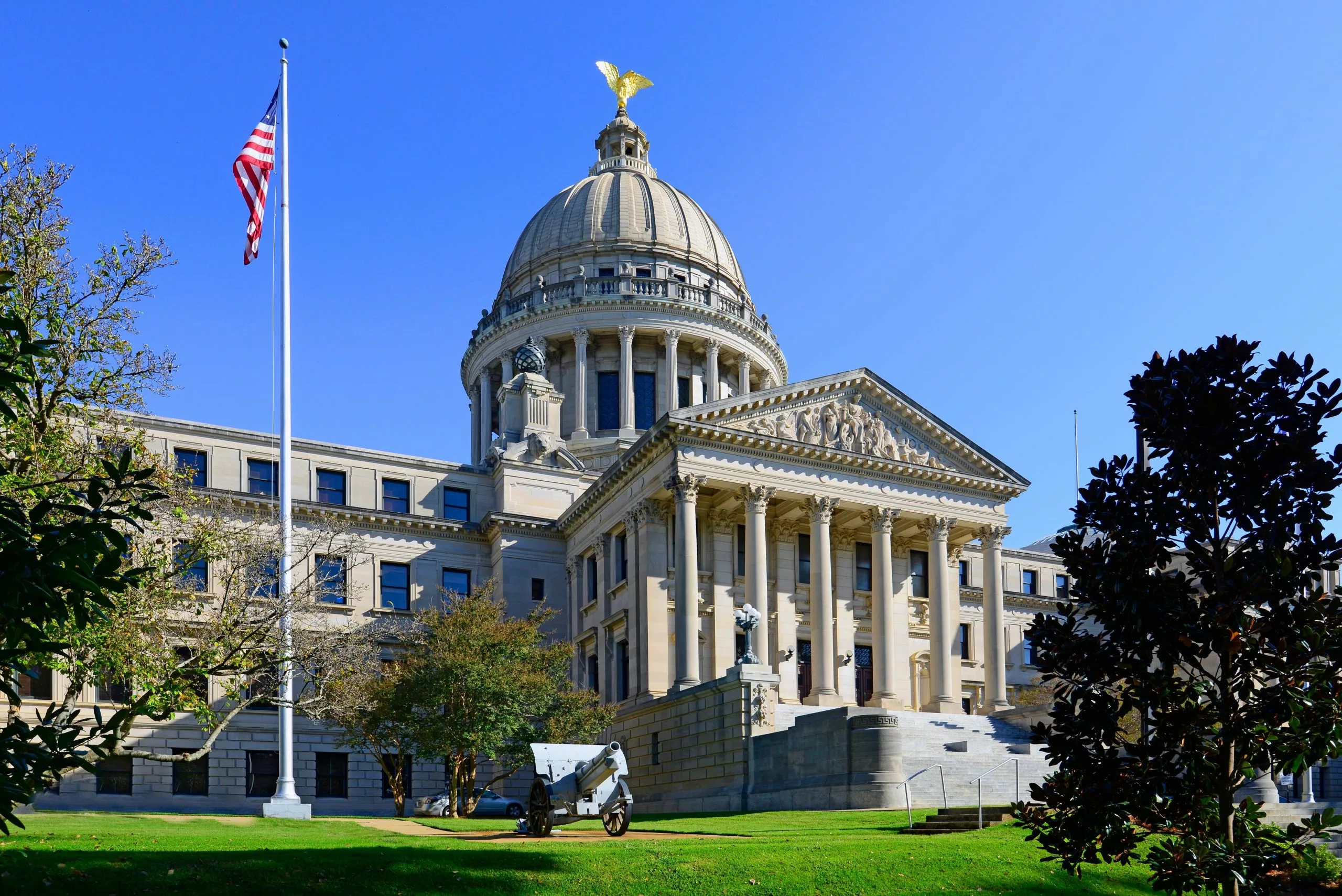
Mississippi’s bid to authorize statewide mobile sports betting is over for this session. After clearing the House, the latest proposal—carried primarily through HB 1581 and then HB 4074—died without a Senate committee vote by the March 3 deadline, repeating the same chamber split seen in 2025.
HB 1581 passed the House 85–31 in early February, while a follow-on measure, HB 4074, attempted to answer Senate concerns with changes to taxes and licensing. Neither advanced in the Senate before the deadline.
HB 4074 sought to legalize online sportsbooks statewide through casino partnerships, tax mobile operators at 22%, and reduce the state gaming tax on brick‑and‑mortar casinos from 8% to 6%. The bill aimed to cushion retail properties and dedicate new revenue to public priorities, including the Public Employees’ Retirement System. It won a 100–11 House vote before stalling.
Sponsors pitched the package as a way to capture activity from unregulated markets and deliver a predictable funding stream, with some projections framed around tens of millions annually. Skeptics questioned whether those estimates would materialize and whether expanded mobile wagering would benefit Mississippi’s tourism‑driven casino model.
Senate leadership focused on a separate priority: banning online sweepstakes casinos through SB 2104. The House, meanwhile, prioritized mobile sports betting. When each chamber declined to advance the other’s bill, both measures died in the opposite chamber at the committee deadline.
The impasse reflects a persistent policy divide. Key senators have argued that statewide mobile sportsbooks could undercut investment tied to physical casino markets along the Gulf Coast and river counties, maintaining opposition even as the House has repeatedly advanced mobile legislation in recent years.
Sports betting in Mississippi remains limited to wagers placed on licensed casino property; some apps exist but require on‑premise betting. Neighboring states like Tennessee and Louisiana continue collecting statewide mobile tax revenue, underscoring a competitive gap that Mississippi has yet to close.
The 2026 result mirrors last year’s outcome, suggesting that significant movement will require a broader compromise that reconciles mobile expansion with protections for legacy casino interests—and perhaps a standalone path for addressing unregulated sweepstakes platforms.
Expect a renewed push in a future session, likely with another House‑originated mobile bill that revisits the tax mix, casino partnerships, and consumer protections. Likewise, a sweepstakes ban is likely to return, given repeated Senate support. Whether the chambers link or decouple these issues could determine if either measure finally clears both sides.