Missouri regulators have opted not to restrict individual player prop bets on college sports, allowing the wagers to remain legal despite renewed pressure from the NCAA. The decision keeps the state aligned with a growing number of jurisdictions weighing integrity concerns against the risks of pushing betting activity into unregulated markets.
The push to ban individual college player prop bets has gained momentum amid heightened integrity concerns following recent investigations into illegal betting activity tied to college basketball.
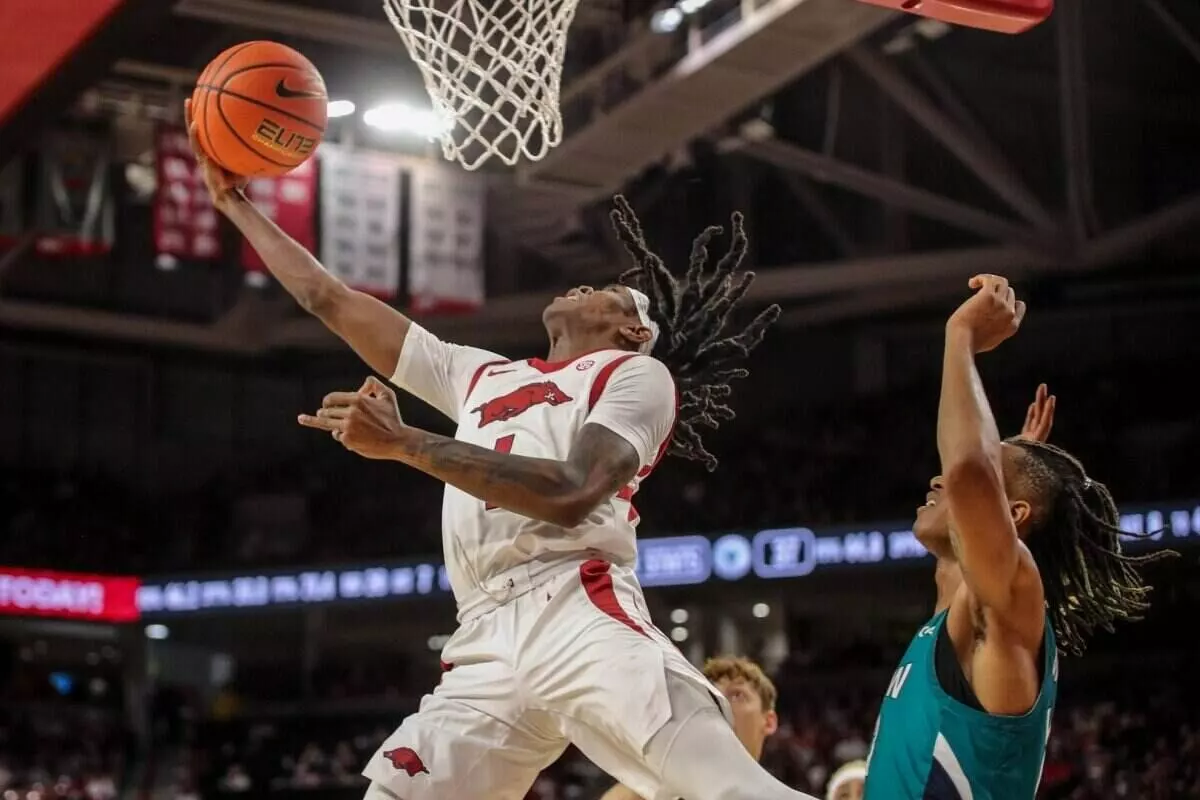
Wagers focused on single-player stats are inherently easier to manipulate than bets based on the game, as an athlete can subtly alter performance. For example, they could put less effort into rebounds or take early fouls, all without changing the outcome of the contest.
This renewed questions about whether player props create more risk for abuse in college sports compared to professional leagues, since the athletes are younger and more vulnerable.
Missouri regulators ultimately chose not to prohibit college player prop bets, citing a lack of concrete evidence that the wagers themselves have directly contributed to integrity breaches within the state.
There is also the risk that eliminating legal prop markets could push bettors toward offshore or illegal platforms, where activity is harder to monitor and detect for suspicious behavior. These platforms don’t have the same consumer safeguards in place, putting players at risk of fraud and much more.
For now, regulators have signaled a preference for continued oversight and data monitoring rather than imposing a full-out ban, leaving college player props legal within the state while broader integrity concerns continue to be debated.
Even without a formal ban, Missouri bettors may still see a reduction in the number or type of college player prop bets available. Sportsbooks could voluntarily scale back certain props as a compromise aimed at addressing NCAA concerns while preserving the broader market.
For example, perhaps only a few players would be offered in props. There’s also the chance that only “overs” will be offered, since “unders” are easier to manipulate.
By limiting higher-risk or more easily manipulated player-specific wagers, operators may seek to demonstrate cooperation on integrity issues without fully eliminating college props. This would give regulators and stakeholders a path to ease tensions while maintaining oversight of legal betting activity.