Major League Baseball has introduced new restrictions on micro-betting in an effort to protect the integrity of the game. The move limits how fans can wager on individual pitches following growing concerns about the risks associated with micro-betting.
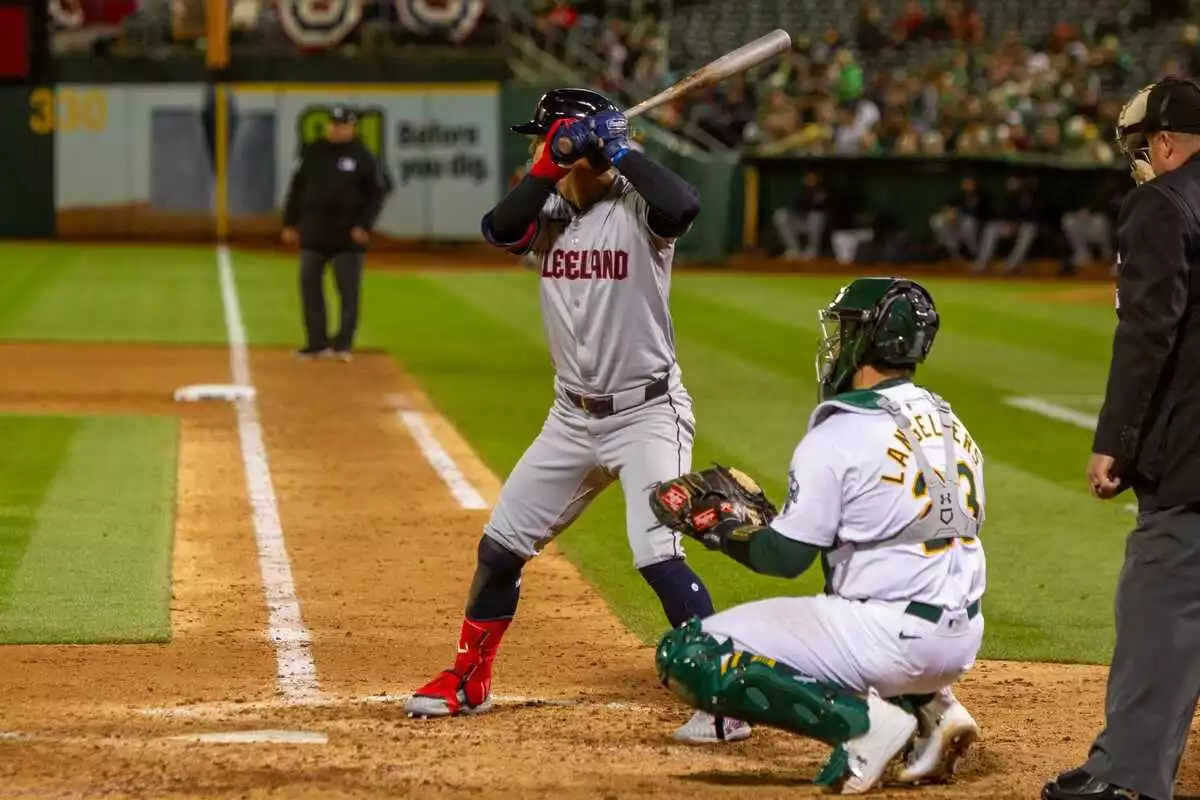
MLB, in partnership with its sportsbook operators, is specifically focused on wagers placed on individual pitches, such as whether they’ll be a ball or a strike, or the speed of their velocity.
Under the updated rules, these pitch-level bets will now be capped at $200 and cannot be included in parlays. This ensures that users cannot place high-stakes wagers on an outcome that would barely impact the final result of the game, making it easier to manipulate. It also prevents users from creating large parlays on these bet types for a high return on investment.
The measures will apply across the most popular sportsbook operators available, including FanDuel, DraftKings, and more.
Pitch-level bets pose heightened integrity risks because they focus on isolated player actions, such as a single pitch, that have a minimal impact on the overall game outcome.
The decision to limit these wagers comes in the wake of indictments involving pitchers Emmanuel Clase and Luis L. Ortiz, who were accused of manipulating specific pitches to influence betting results.
MLB says the move underscores its commitment to protecting the game’s integrity, pointing to Rule 21, which permanently bans any player or official who wagers on games in which they are directly involved.
While limiting maximum wagers to $200 is a start to addressing the integrity risks posed by micro-betting, there are some who believe that an outright ban is the best course of action.
“This is a smart and necessary step by Major League Baseball,” Ohio Governor Mike DeWine said, adding that the state “will continue to evaluate whether micro-betting serves the public interest.”
Gov. DeWine has publicly spoken about a potential need for Ohio to ban micro-betting.
Critics argue that even with lower limits, the nature of these rapid, pitch-by-pitch wagers makes them especially vulnerable to manipulation and could place undue pressure on players. Additionally, micro-betting encourages impulsive gambling behavior, since it’s based on a quick outcome, raising concerns about problem gambling.
Micro-betting is also a way for fan engagement to shift away from the game itself toward real-time wagering. The downsides of offering this market outweigh the benefits.
MLB’s decision could signal a turning point for how professional sports leagues and regulators handle emerging betting markets. As technology continues to make real-time wagering more accessible, questions about oversight, player protection, and responsible gambling have become increasingly urgent.
Other leagues and state regulators may look to MLB’s policy as a model for curbing high-risk bet types that challenge the integrity of competition.
This move could prompt a reevaluation of micro-betting nationwide, encouraging collaboration between leagues, sportsbooks, and state regulators to establish consistent standards.