There could be a nationwide crackdown on microbetting on the horizon as professional sports leagues and state officials raise new concerns about the fast-growing form of in-play wagering.
Ohio Governor Mike DeWine has previously pushed for a state-level ban, while leagues like the NBA and MLB explore a possible federal or industry-wide prohibition. The move follows recent betting scandals involving professional athletes and renewed worries about how player prop wagers could threaten the integrity of sports.
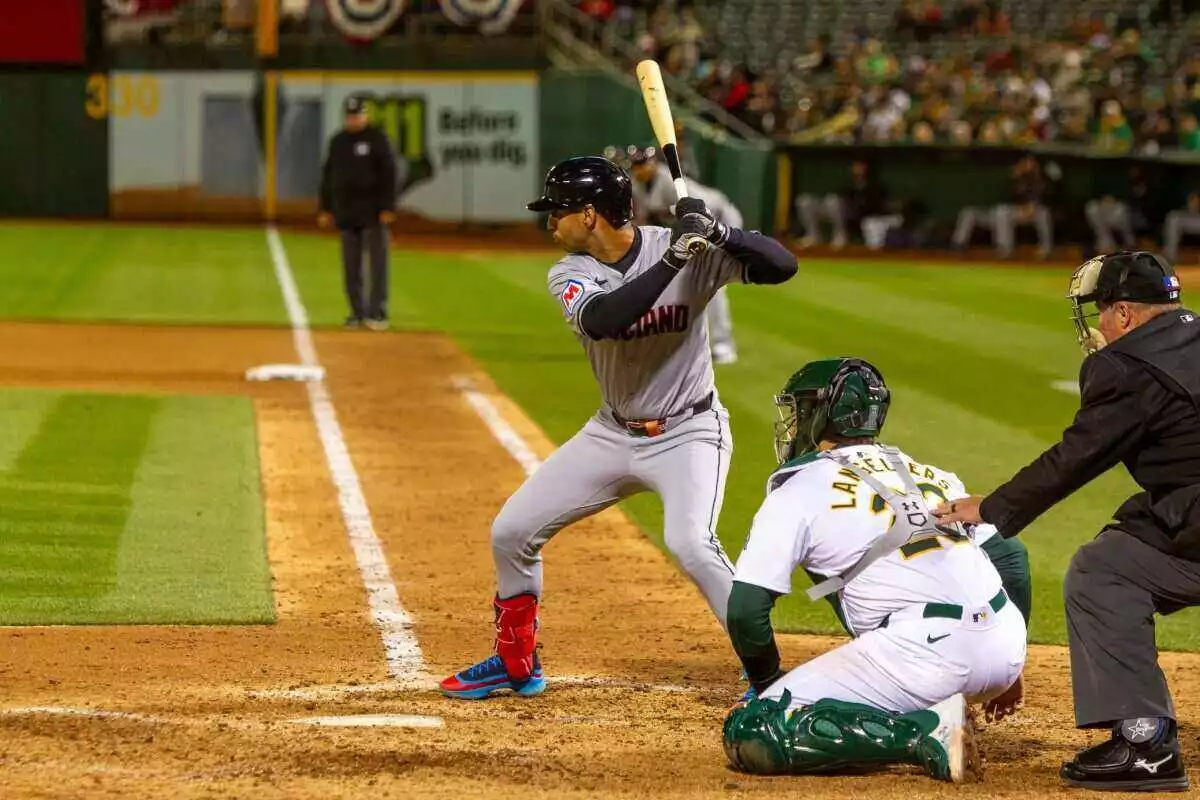
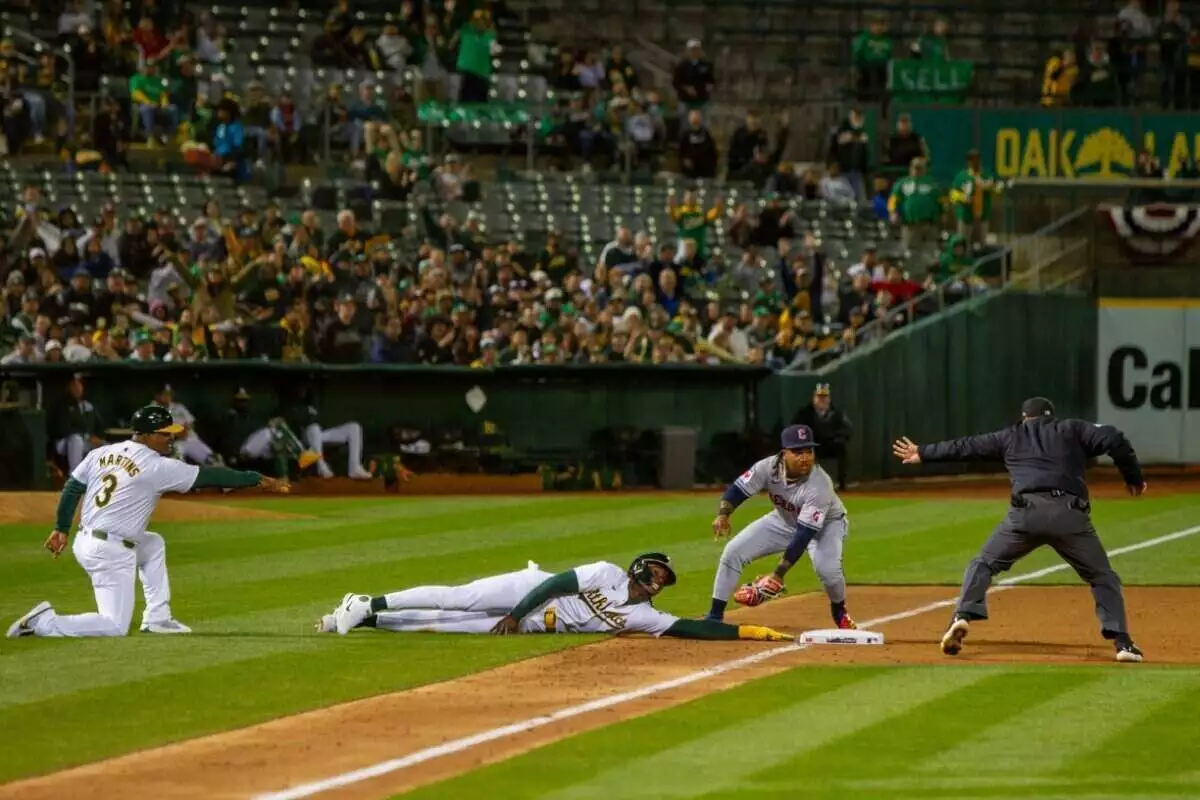
Concerns about this form of betting intensified in Ohio after two Cleveland Guardians pitchers, Emmanuel Clase and Luis Ortiz, were placed on leave earlier this year amid an MLB investigation into betting-related activity.
Their situation prompted Governor Mike DeWine to call for tighter restrictions on microbetting, citing the growing risk that player-specific wagers could compromise the integrity of the game.
Governor Mike DeWine has agreed to pause Ohio’s push for a statewide microbetting ban while professional sports leagues coordinate on a potential nationwide policy.
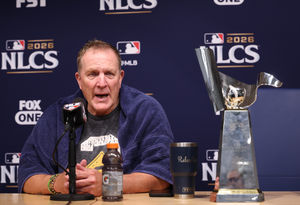
According to DeWine, MLB Commissioner Rob Manfred and other league officials plan to revisit the issue after the World Series, aiming to build consensus among the NBA, NFL, and gaming industry leaders on limiting or eliminating microbetting markets altogether.
If the leagues move forward with a joint proposal, it could lead to a federal-level discussion or a uniform regulatory framework adopted across multiple states.
However, if that effort stalls, DeWine has made clear he’s prepared to take action at the state level, potentially directing the Ohio Casino Control Commission to restrict or prohibit microbetting within Ohio’s legal sportsbooks.
Either outcome would signal a major shift in U.S. sports betting oversight, with Ohio potentially serving as a testing ground for how regulators and leagues balance innovation with player integrity. Banning microbetting could be a middle ground. Instead of an outright player props ban, they could settle for micro-events like what was seen with Clase and Ortiz in Cleveland.
Microbetting is when users place wagers on singular events in a given sport. For example, in MLB, there is the option to bet on the outcome of the next at-bat.
Let’s say that Paul Skenes is on the mound for the Pittsburgh Pirates. You can wager on the result of the plate appearance, whether it’s a walk, hit, putout (i.e. groundout, flyout, etc.), or strikeout. There is even the option to bet on the result of each pitch, whether it’s a ball or strike.
The problem here is that it’s much easier to manipulate this micro-event.That vulnerability is exactly what worries regulators and league officials.
Because microbetting focuses on isolated moments rather than full-game outcomes, even minor actions, a mistimed pitch, a dropped pass, or a missed free throw, can be intentionally altered without changing the broader result of the contest.
This was already seen with Ortiz and Clase with the Guardians.