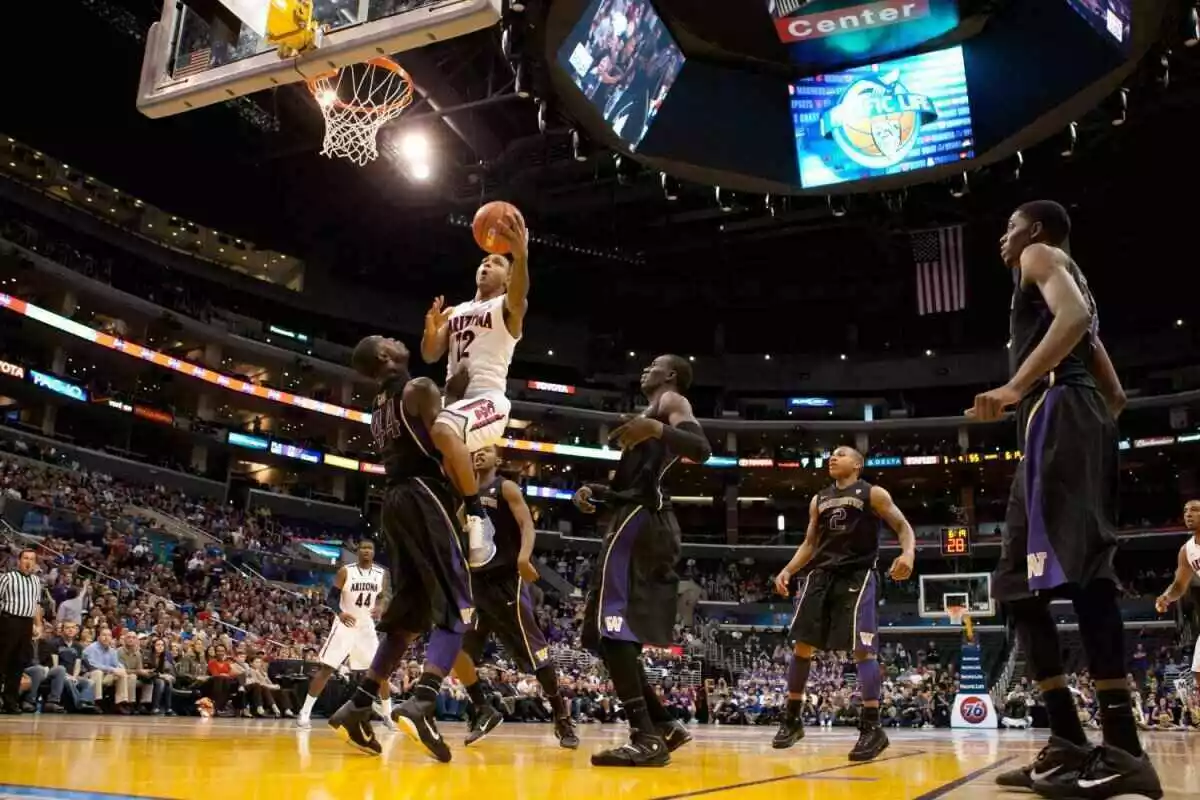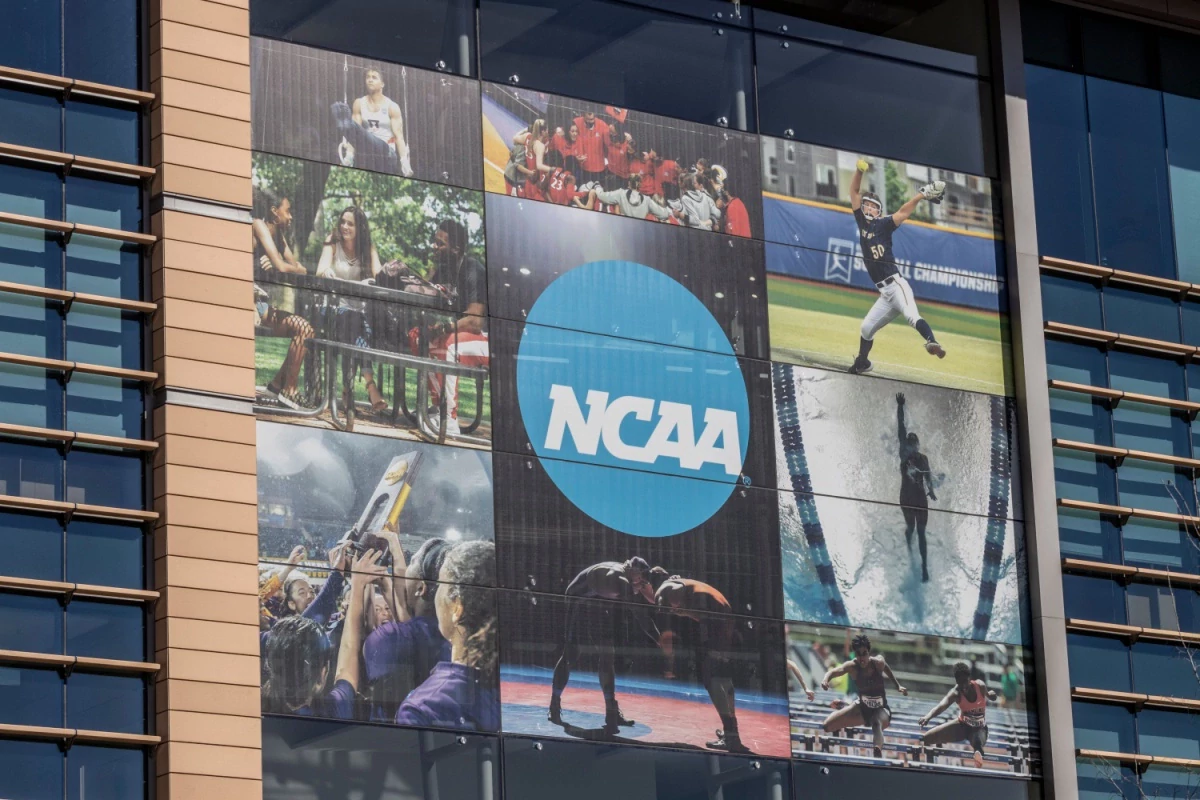
The NCAA’s Division I Administrative Committee has introduced a proposal that would allow commercial logos to appear on student-athletes’ uniforms, apparel, and equipment for the first time. The plan, announced this week, would permit limited branding, with up to two commercial logos on uniforms and one on equipment, during regular-season competition.
The proposal aims to modernize NCAA policies in line with the evolving college sports landscape, where schools and athletes are navigating new opportunities for sponsorship and name, image, and likeness (NIL) partnerships. Final voting on the proposal is scheduled for January, and if approved, the new rules would take effect on August 1.
The NCAA’s proposal to allow commercial logos on uniforms and equipment could open new opportunities for corporate partnerships, including those connected to sports betting operators. As legal wagering continues to expand across the United States, sportsbook brands have increasingly sought visibility through advertising, sponsorships, and media integrations with professional leagues and broadcasters.
While the NCAA has historically maintained strict limits on gambling-related partnerships to protect the integrity of college athletics, the introduction of broader logo permissions raises questions about where future sponsorship lines may be drawn. Schools and conferences could face new decisions about which brands are eligible to appear on athletic gear and whether gambling companies might be excluded under existing policies.
Even if sports betting logos remain prohibited, this policy shift signals a gradual normalization of commercial presence in college sports, which is a trend that may influence how the NCAA navigates partnerships in the years ahead.
The proposal to allow commercial logos on student-athlete uniforms comes as the NCAA considers another major policy change, one that would permit college athletes to place bets on professional sports beginning November 1, if approved.
Together, these developments reflect a broader evolution in how the NCAA approaches the intersection of commercialization and sports wagering. As the college athletics landscape continues to adapt to name, image, and likeness (NIL) rights and the rapid growth of legalized betting nationwide, the association faces new challenges in maintaining integrity and consistency across its regulations.
These changes could represent a more realistic alignment between college sports and the professional environment that surrounds them. However, there is a risk that expanding both advertising opportunities and betting permissions could blur the line between amateur and professional athletics. This would raise concerns about responsible gaming and the influence of gambling on college competition.
If approved, these policy shifts could mark a turning point in the commercialization of college athletics. Allowing commercial logos and relaxing restrictions on professional sports betting for student-athletes would signal a move toward greater alignment with professional sports standards, both in business and culture.
For athletic departments, the potential for new sponsorship revenue may help offset rising operational costs and the financial pressures of conference realignment and athlete compensation. At the same time, the NCAA and its member schools will need to strengthen education on responsible gaming, maintaining transparency to preserve the integrity of competition.
Ultimately, the NCAA’s recent proposals reflect a changing reality: college sports are no longer insulated from the broader forces shaping the professional landscape.