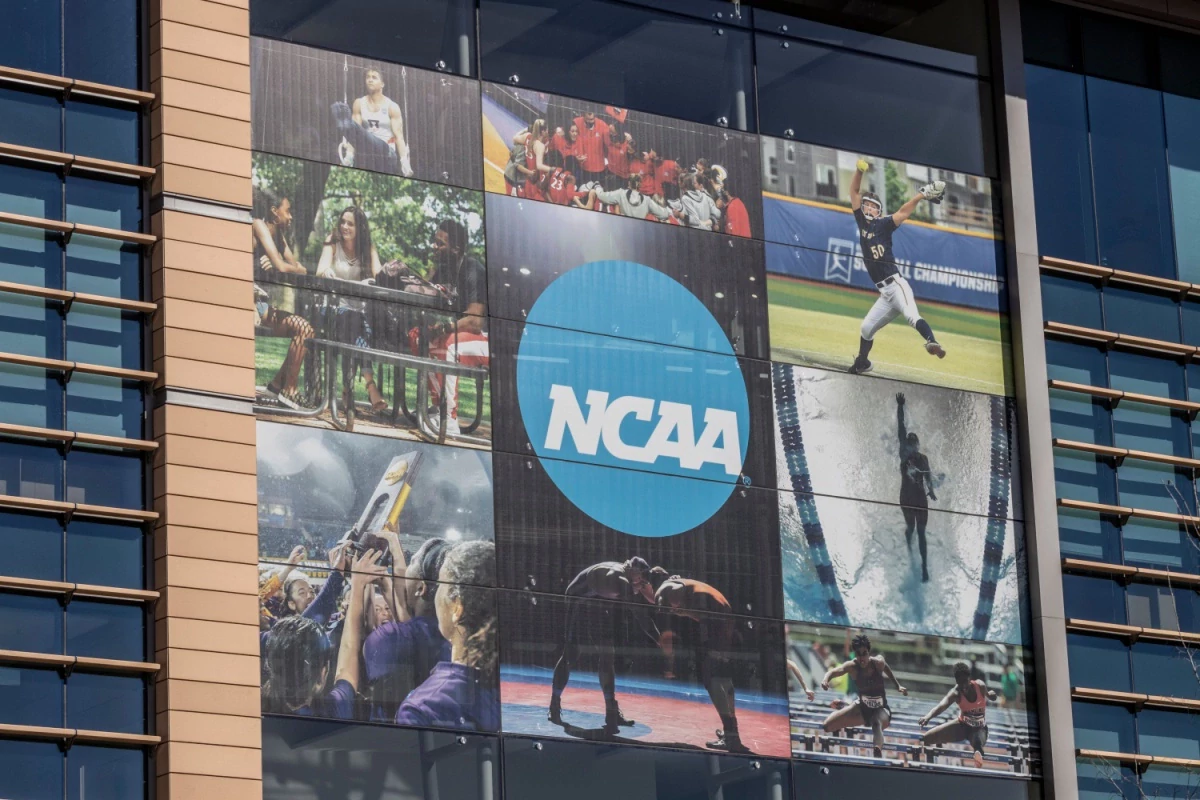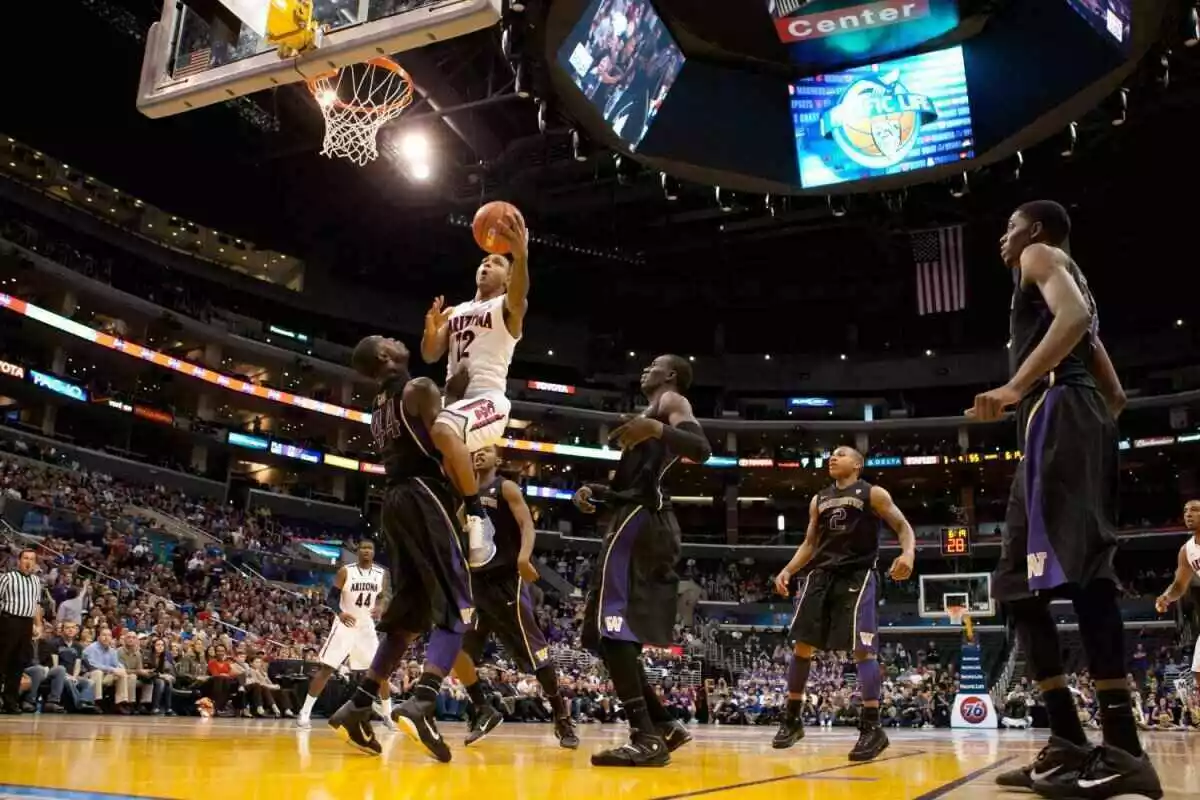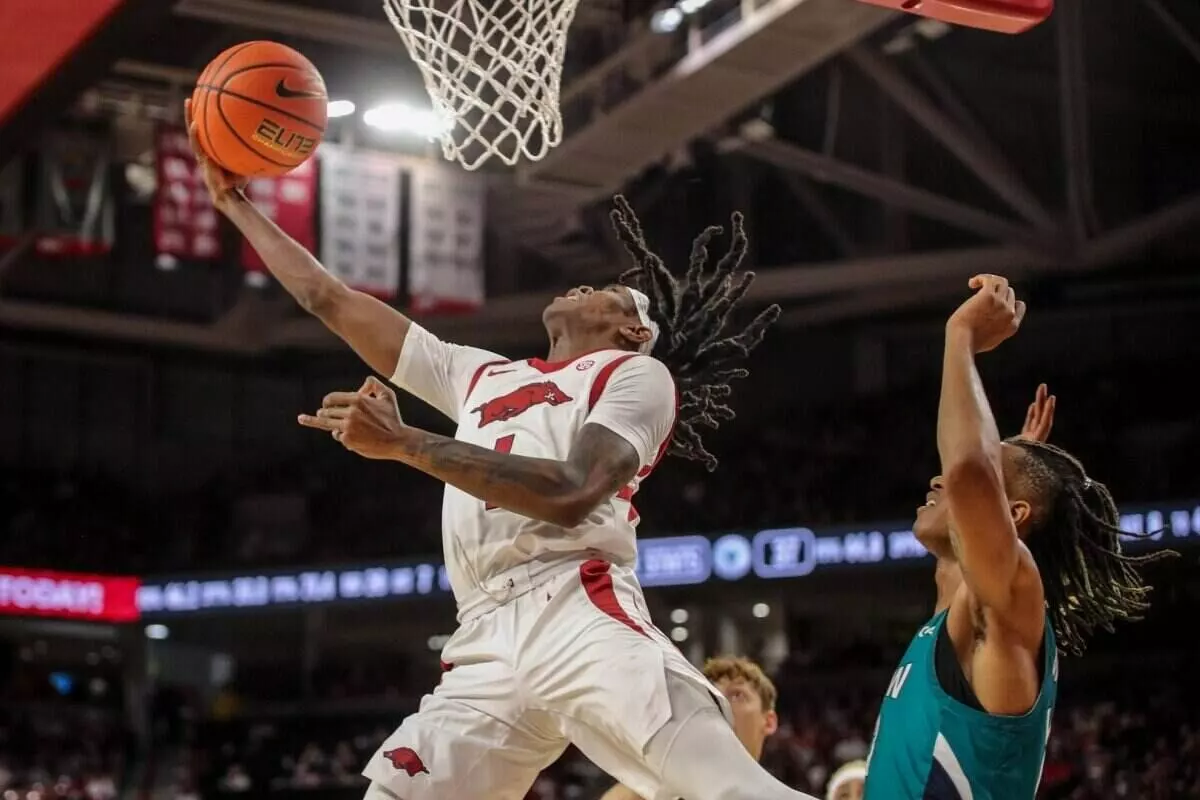
The NCAA is once again pressing regulators and sportsbooks to reconsider the availability of player prop bets involving college athletes. NCAA President Charlie Baker renewed the organization’s position this week, arguing that prop wagering on individual athletes creates unnecessary risks for student-athletes and the broader integrity of collegiate competition.
Player prop bets allow bettors to wager on specific performances or events within a game rather than the final outcome. Examples can include a quarterback’s passing touchdowns, a basketball player’s points scored, or other individual statistical achievements. While these wagers have become a major part of the modern sports betting marketplace, the NCAA continues to view them differently when applied to amateur athletes.
According to Baker, student-athletes frequently face pressure from bettors who have a financial interest in their individual performances. He suggested that some bettors focus less on whether a team wins and more on whether a player reaches specific statistical milestones tied to wagers.
The NCAA has maintained this position since Baker became president in 2023, making player prop betting one of the organization’s most visible sports wagering concerns.
One of the NCAA’s primary arguments against player props is the impact on student-athletes. Baker said athletes regularly receive criticism and harassment from bettors whose wagers fail to cash, particularly on social media and during high-profile sporting events.
The concern extends beyond online commentary. NCAA officials argue that individual prop markets place a unique spotlight on athletes, making them more likely to become targets of abuse when their performances fall short of betting expectations. Unlike wagers on a team result, player props often focus attention on a single athlete’s statistics, increasing direct scrutiny.
Research commissioned by the NCAA has supported many of these concerns. A 2024 report identified approximately 750 instances of betting-related abuse and match-fixing allegations connected to NCAA championship events. Separately, a 2026 survey of more than 7,400 student-athletes found widespread concern about the influence of sports betting on competition and athlete welfare.
At the same time, the NCAA says it continues to invest heavily in monitoring betting activity and social media behavior to identify potential threats to athletes, coaches, and officials.
Beyond harassment, NCAA officials remain concerned about the potential for gambling-related corruption. Individual player wagers can create opportunities for improper influence, particularly when relatively small in-game events can determine whether a bet wins or loses.
The NCAA argues that college athletes may be more vulnerable than professional players to outside pressure because of their age, visibility, and amateur status. While sports betting integrity programs continue to evolve, Baker has repeatedly warned that prop betting can create incentives that threaten the credibility of competition.
The organization notes that integrity risks can come in several forms, including prohibited betting activity, attempts to influence performances, or efforts to manipulate outcomes tied to wagering markets.
The NCAA’s lobbying efforts have already influenced policy discussions across the United States. According to the organization, 17 of the 39 states with legal sports betting currently prohibit or restrict college player prop wagers.
The debate has also expanded beyond college athletics. Professional sports leagues, including MLB and the NFL, have explored limitations on certain player prop markets that are viewed as carrying elevated integrity risks.
Looking ahead, Baker said he hopes regulators, leagues, and industry stakeholders can work together to significantly reduce the availability of these betting options. While it remains unclear whether additional states will adopt new restrictions, the NCAA appears committed to continuing its campaign against player prop betting involving college athletes.