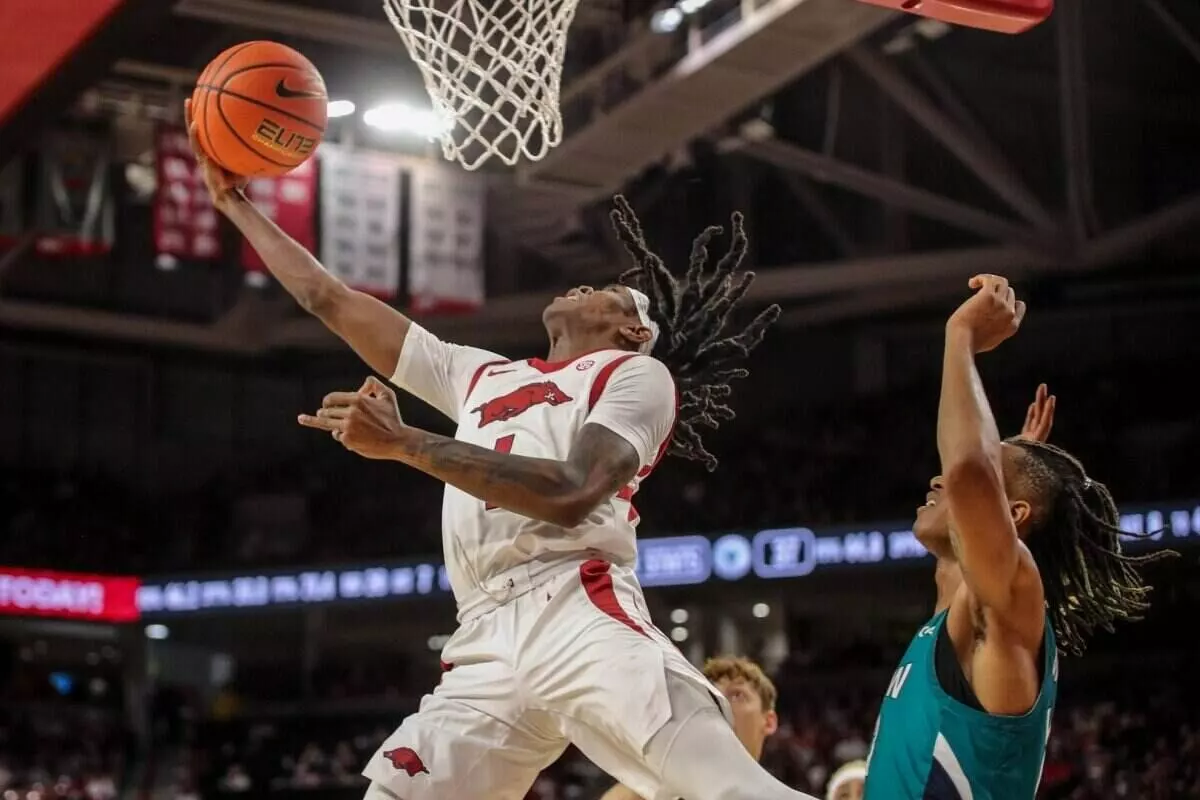
Division I college student-athletes experiencing abuse relating to sports betting continues to be a prevalent issue. A new study released by the NCAA found that 36% of Division I men’s basketball student-athletes have reported experiencing social media abuse related to sports betting in the last year. Additionally, 29% reported interacting with a student on campus who placed a bet on their team.
As the study’s sports-betting questions asked about interactions within the past year, the results were restricted to sophomores and above.
Pierre Brooks II, a former Butler men’s basketball student-athlete, talked about how “this happens all the time” after an EPIC Global Solutions session last fall. During the 2024-25 season, his final one with Butler, Brooks started all 35 games and averaged 15.2 points per contest.
“Like if people don’t meet their over or under, they always DM me,” Brooks said. “It’s actually pretty common.”
The NCAA study wasn’t restricted to men’s basketball players. Among football student-athletes in the Football Subdivision that were surveyed, 16% reported receiving negative or threatening messages. It also revealed that 26% reported interacting with a student who had bet on their team.
Additional results from the study showed:
Rates were much lower in regards to women’s sports athletes, around 1% for both categories.
The NCAA has dealt with its share of sports betting violations this year. The Association shared investigation details regarding six former men’s basketball student-athletes from New Orleans, Arizona, and Mississippi Valley.
Cedquavious Hunter, one of the three former New Orleans players who were declared permanently ineligible following the investigation, appeared on Good Morning America earlier this week. After refusing to cooperate with the NCAA, Hunter broke his silence about his involvement in the gambling scandal.
He admitted to being involved in point shaving, and it included purposely missing baskets. According to the GMA piece, Hunter and his teammates were approached by an unidentified Las Vegas bettor. Hunter received $5,000 for his involvement in the scheme.
As far as what he wanted to do with the money, Hunter said he had a newborn baby and the money was to help. Now he is offering a warning to current and future Division I student-athletes who might be put in a similar situation.
“Don’t make the mistake I made,” Hunter told GMA.
Even though sports betting is legal in New Orleans, the NCAA prohibits student-athletes from betting on college sports. The Pelican State is one of the legal U.S. sports betting jurisdictions where licensed sportsbooks are not permitted to offer
prop bets on individual college player performances. This includes total points or rebounds for a particular player.
The NCAA wants to make the ban nationwide, but has yet to succeed. The Association released a campaign in 2023 urging state regulators and online sports betting operators to remove props from the college sports betting menus.
“The NCAA runs the largest integrity monitoring program in the country, and we educate hundreds and thousands of student-athletes about the dangers of sports betting, but regulators, lawmakers and gaming operators can and should do more,” NCAA President Charlie Baker said.