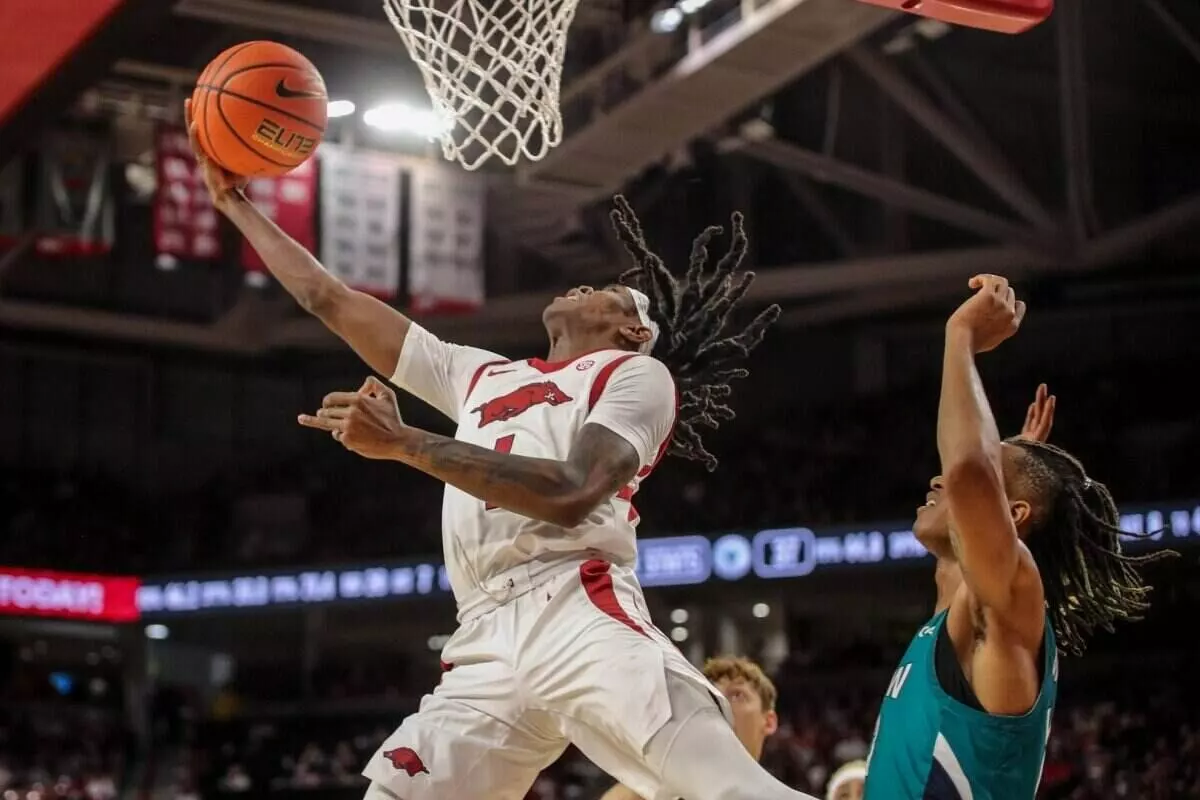
The NCAA has launched a public service announcement to increase awareness of the harassment and hurdles that student-athletes face due to sports betting. Its Draw the Line campaign coincides with the NCAA Men’s Basketball Tournament, with first-round games taking place March 19 and 20.
The new spot will air throughout March Madness and highlight the importance of protecting student-athletes. It’s the NCAA’s latest effort to protect student-athletes and ensure that college sports remain fair, safe, and competitive.
March also happens to be Problem Gambling Awareness Month. It’s no secret that sports betting continues to hurt college sports. The well-being of student-athletes and the integrity of NCAA competition are two of the bigger issues that continue to come up.
The NCAA 30-second Draw the Line video, which is available on YouTube focuses on the steps the NCAA has and will continue taking to protect student-athletes and competition integrity, including:
With Missouri launching mobile and retail sports betting in December, there are now 40 states plus Washington, D.C. that offer some form of sports betting. As the industry continues expanding so does the prevalence of sports betting related harassment.
The NCAA press release highlighted a recent study in which the Association found that almost half of Division I men’s basketball players experience online, verbal, or physical abuse by fans for betting losses. It also referenced a 2024 study of public comments targeting participants in seven NCAA championships and the College Football Playoff National Championship.
According to the report, student-athletes in Division I Men’s and Women’s Basketball Championships received the most abuse. There were nearly 4,000 verified abusive messages, with 80% of all verified malicious content occurring during the tournaments.
Clint Hangebrauck, NCAA managing director of enterprise risk management, said student-athletes face enough pressure in their competitive environment without the additional burdens brought by the expectations of sports bettors.
“Real damaging mental health and well-being effects come from the immense amount of harassment they’re receiving from their peers and from social media,” Hangebrauck said.. “At the NCAA, we employ educational and preventative measures to make college athletics a space to be supported and celebrated, not targeted and threatened.”