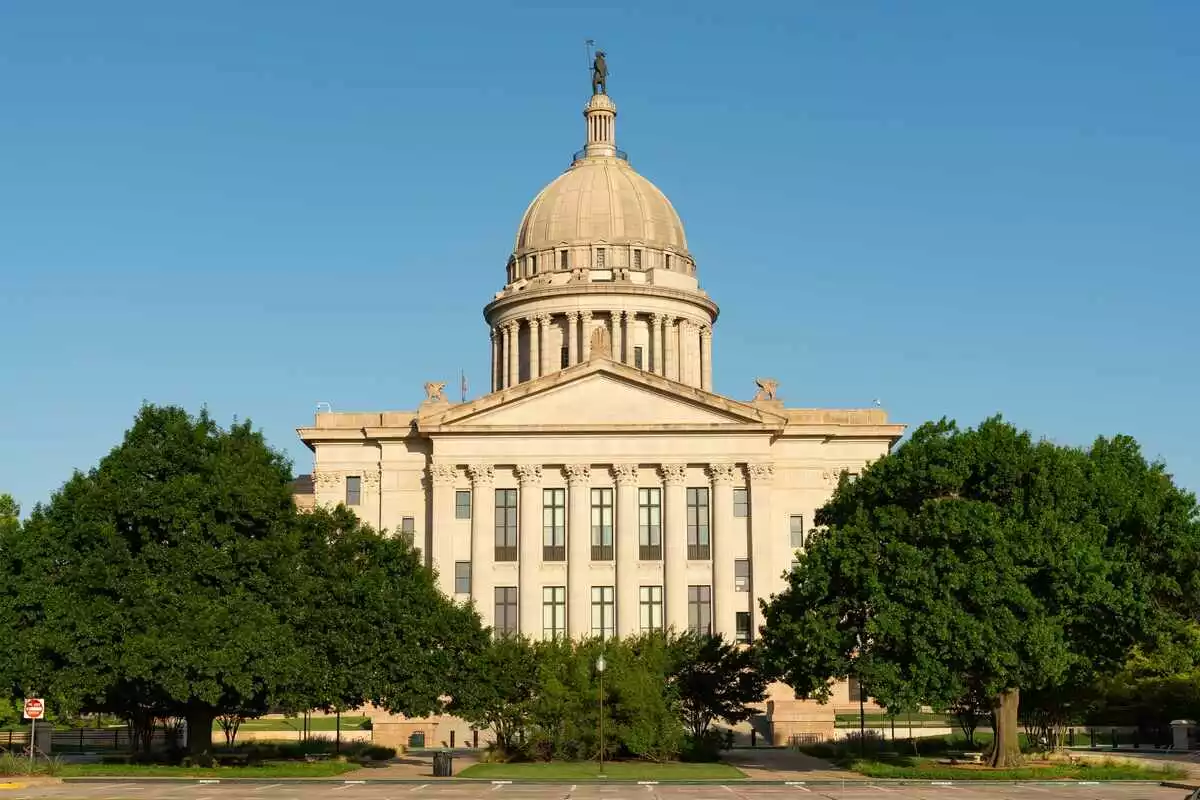
There has been momentum for Oklahoma sports betting in the last year. Now, there is growing optimism that sports betting can be legalized in Oklahoma once Governor Kevin Stitt leaves office next year.
Speaking at last week’s Sports Betting Community (SBC) Summit, Choctaw Nation Senior Executive Tom McDonald said lawmakers came close to passing legislation this year and suggested the political landscape will be more favorable once Stitt leaves office.
McDonald indicated he was encouraged by how far the legislation advanced in 2026 and believes its chances of success will improve under a new governor.
Despite hosting one of the largest tribal gaming industries in the U.S., Oklahoma is still among the handful of states that have yet to authorize retail or online sports betting. Tribal casinos contribute more than $6 billion to the state’s economy each year and represent a significant share of Oklahoma’s overall economic output.
Previous legalization efforts have repeatedly broken down over disagreements about market structure, particularly whether tribal nations should retain exclusive control of sports betting or whether commercial operators should also be licensed.
According to McDonald, Gov. Stitt has been a major obstacle to reaching a deal. He said the governor has consistently favored a commercial licensing model over tribal exclusivity and has pushed for broader commercial gaming opportunities rather than expanding tribal control of the market.
The biggest takeaway is that Oklahoma’s path to legal sports betting now appears to be more of a political issue than a legislative one.
Lawmakers have already shown there is meaningful support for a tribal-backed framework after sports betting legislation advanced further than in previous years. With Gov. Stitt set to leave office in early 2027 due to term limits, proponents believe negotiations between state leaders and tribal nations could become significantly less contentious.
If a new governor is more willing to support tribal exclusivity, lawmakers will have a clearer path to reviving the legislation that nearly passed in 2026. Rather than starting from scratch, legislators could build on the existing proposal and focus on resolving remaining details.
With that said, it doesn’t guarantee Oklahoma will legalize sports betting next year. Still, it does suggest the state could be closer than ever to joining the majority of the country with a regulated market. For operators, tribes, and bettors alike, the 2027 legislative session is shaping up to be the most important opportunity yet for Oklahoma sports betting legalization.
Another argument in favor of legalization is that it would give Oklahoma bettors a regulated alternative to offshore sportsbooks that already accept customers in the state.
Because Oklahoma has not legalized sports betting, there’s a risk that residents will use unregulated offshore betting sites that operate outside U.S. laws and consumer protection standards. Unlike licensed sportsbooks, these platforms are not subject to state oversight or responsible gambling requirements.
A regulated market would allow Oklahoma to shift betting activity toward licensed operators while generating tax revenue and strengthening consumer safeguards. It would also give tribal gaming operators the opportunity to capture demand that currently flows to offshore sportsbooks and other unregulated platforms.
Although questions remain about the structure of a future market, legalizing sports betting would mark a significant step toward replacing the state’s gray-market betting ecosystem with one that is transparent and regulated.