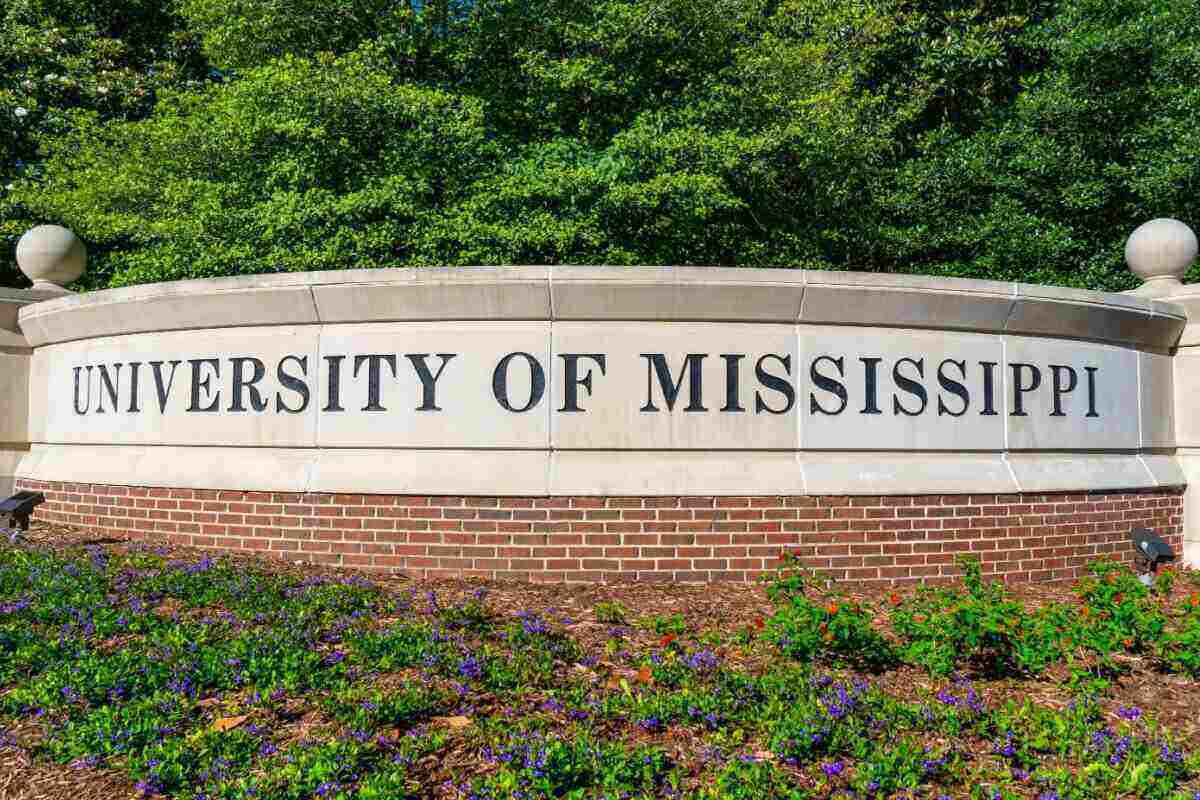
A study by University of Mississippi researchers shows that 39% of Magnolia State college students have gambled over the past year. The research includes seven Mississippi universities. Out of the students who participated in sports betting, 6% met the criteria for problem gambling as defined by the American Psychiatric Association. The six other Mississippi colleges represented were:
According to Hannah Allen, executive director of the University of Mississippi William Magee Institute for Student Wellbeing and assistant professor of public health, betting activities are more prevalent among certain groups of college students,
“We found that gambling was more prevalent among students who were male, white, lived off campus, participated in sports, (including club and intramural sports, and were involved in Greek life,” Allen said.
The findings are on par with the rest of the United States. However, Ole Miss researchers were surprised that playing the lottery (18%) and betting on cards (17%) ranked slightly ahead of sports betting (16%).
When it comes to Mississippi sports betting, there are two ways of placing legal bets. One is visiting a Mississippi casino in-person sportsbook. The other is using a mobile app, as long as gamblers are located on casino property when bets are being placed. Mississippi college students, however, found other ways of placing wagers.
According to the study, 57% of the students who engaged in sports betting did so online through a sportsbook in the U.S. or Canada. Others did so using offshore sportsbooks, which are illegal in the U.S., with family and friends, or a bookie. It’s hard to avoid the temptation as more than a third, 36% of students reported seeing daily sports betting ads.
Like with pro and college sports, bettors can experience the thrill of a winning bet or the agony of losing a three-leg parlay.
When it comes to Mississippi college students and sports betting, losing money, feeling ashamed, and regretting sports betting-related behavior are common negative consequences that were highlighted. The study showed that those experiencing the most harm are male, nonwhite sports bettors.
“Although they (nonwhite males) gamble less, when they do gamble, they experience more consequences from it,” Allen said. “It’s important to note that not everyone experiences the same level of consequences.”
According to Daniel Durkin, associate professor of social work, 10% of the students who bet on sports were found to have a moderate risk for problem gambling. However, 6% met the criteria to be classified as problem gamblers.
The NCAA is currently investigating alleged sports betting violations against 13 former student-athletes from six different schools. Mississippi Valley happens to be one of the schools. However, the NCAA is not seeking penalties against the school.
Allen and Durkin have suggested taking proactive approaches to educating university communities about gambling and its potential harms. One way to incorporate gambling education into the wellness program would be an option. It would fall in the same line with programs focused on financial wellness as well as alcohol and drug use.
Conversations about gambling between parents and students is an avenue that Durkin would like to see improve.
“We really want parents to start talking to their kids about gambling because we’re finding out more and more that these conversations just aren’t happening,” Durkin said. “A lot of parents just aren’t aware that these problems are developing, and that would just be a good start: just have a conversation.”