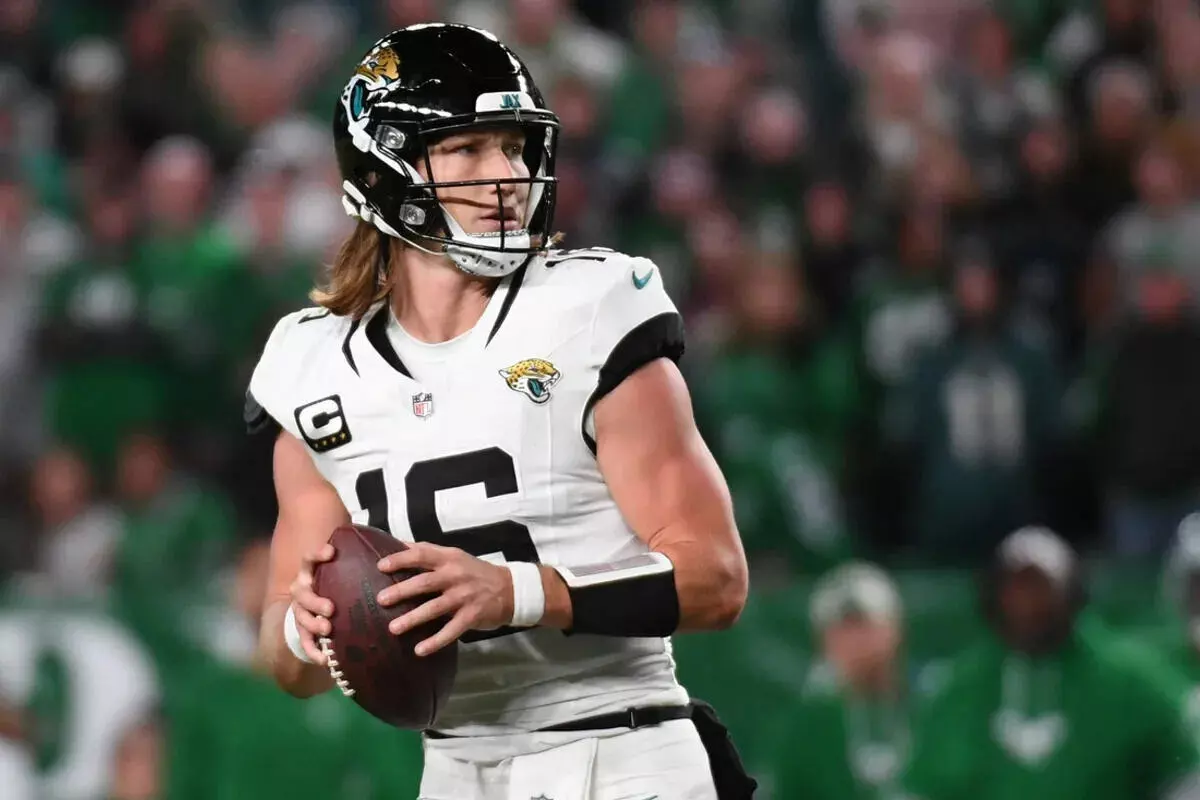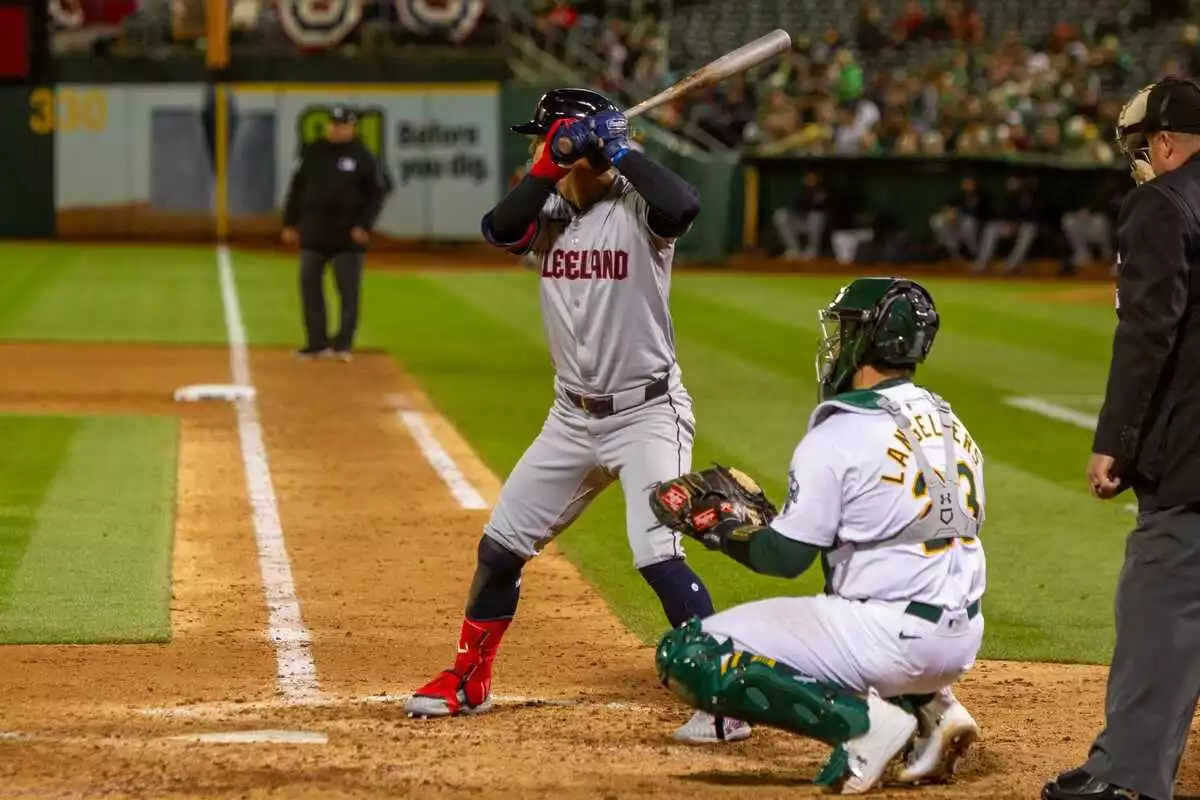
With sports betting continuing to expand across the United States, both professional and collegiate athletes have had to deal with harassment related to wagering. We’ve seen MLB players, including those from the Cleveland Guardians, speak publicly about this ongoing issue. To deal with this problem, teams like the San Diego Padres have advertised a zero-tolerance policy towards derogatory comments directed at players and related to sports betting.
Banning derogatory comments related to sports betting and directed at athletes is a leaguewide policy across MLB. But the Padres have taken it to another level by emphasizing their zero-tolerance policy on a billboard at Petco Park, which is their home ballpark.
The billboard reads, “Zero-tolerance policy regarding: offensive or betting-related harassment of employees, players, umpires, or other fans.”
The “betting-related harassment” component can help deter fans from shouting insults at players for not hitting their prop bets. With betting-related harassment continuing to be a growing problem across sports, it makes sense for professional teams to take a hardline stance on this issue.
Even though regulated sports betting is not currently available in California, teams like the Padres are emphasizing zero tolerance for this behavior to conform with MLB’s league-wide policy.
This is an example of how professional teams are looking out for their players, who have repeatedly voiced their concerns about the insults they’ve received related to sports betting.
We’ve seen lawmakers try to resolve this issue as well, with a recent Louisiana sports betting bill advancing to Gov. Jeff Landry’s desk to be signed into law.
The growing focus on betting-related harassment highlights one of the unintended consequences of the rapid expansion of legalized sports betting across the United States.
As more athletes publicly discuss abusive messages tied to gambling losses, professional leagues and lawmakers face mounting pressure to introduce stricter safeguards around certain wagering markets, particularly prop bets.
This bet type can intensify direct harassment toward players because fans often blame individual athletes when wagers lose. If betting-related abuse continues to escalate, regulators and sportsbooks could consider limiting certain prop markets, particularly those involving college athletes or highly specific player outcomes, like micro bets.
While limiting certain prop betting markets could help reduce harassment directed at athletes, it may also create unintended consequences for the sports betting industry. Tighter regulations could push some bettors toward offshore sportsbooks that continue offering prop markets. These sites don’t have the same consumer protections or responsible gambling tools, making them riskier for sports bettors.
That’s why many teams and leagues are focusing on enforcement with fan behavior policies instead of calling for outright betting restrictions. By adopting zero-tolerance policies toward betting-related harassment, organizations like MLB’s San Diego Padres are attempting to protect players while still supporting regulated sports betting markets.
This is the kind of happy medium that works as the preferred solution to putting an end to betting-related harassment towards athletes.