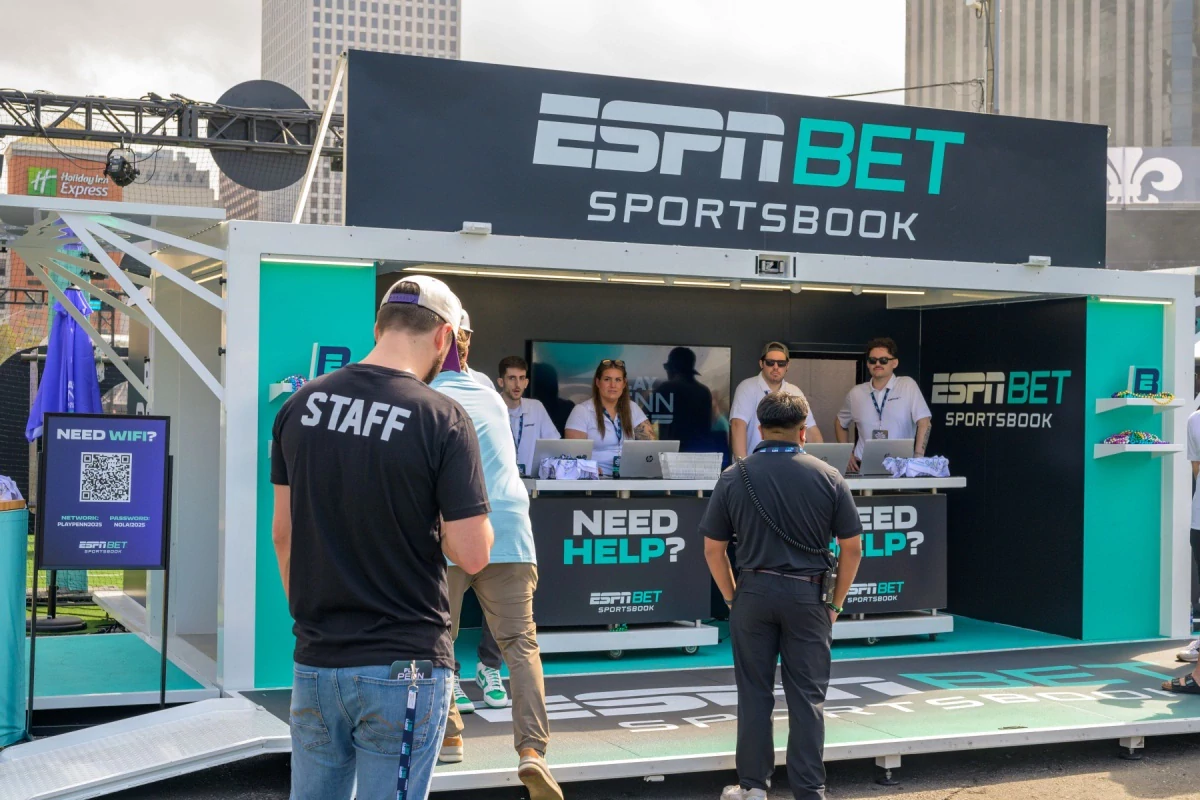
Penn Entertainment received another bullish signal from Wall Street this week after investment banking and research firm Stifel raised its price target on the gaming operator, pointing to growing confidence in the company’s online casino strategy. After a failed venture with ESPN BET, Penn Entertainment is seeing better results by shifting its focus more toward online casino than sports betting.
Stifel analyst Jeffrey Stantial raised his price target on Penn stock from $23 to $25 while maintaining a buy rating after meeting with company executives.
Penn shares closed Thursday at $21.21 and are now up more than 28% over the past year as investor sentiment around the company’s digital business continues to improve.
In a note to clients, Stantial said Penn appears well-positioned heading into the second half of 2026, highlighting stable retail casino trends and continued progress in the company’s growing focus on iGaming.
Penn’s pivot toward online casino gaming comes after years of intense competition in the U.S. sports betting market, where major operators like DraftKings and FanDuel continue to dominate market share. Despite the high-profile launch of ESPN BET in 2023, Penn struggled to gain traction in online sports betting while facing steep promotional spending and customer acquisition costs.
Online casino gaming, on the other hand, offers a more stable and profitable long-term business model. iGaming is a higher-margin segment because online casino players tend to generate more recurring revenue and require less aggressive marketing spending compared to sportsbook users.
The shift also allows Penn to better leverage its existing casino brands and retail customer database while focusing on states where online casino gaming is already legal.
Penn’s increased focus on iGaming was already producing measurable gains earlier this year. During the first quarter, the company posted a 362% jump in online casino revenue while significantly narrowing losses in its interactive division, reducing digital adjusted EBITDA losses by roughly $70 million compared to the same period a year ago.
The improved performance arrives at a critical time for Penn, which has spent years trying to establish itself as a major online sportsbook operator through expensive partnerships, marketing campaigns, and acquisitions.
Now, Penn’s renewed emphasis on online casino gaming could become a blueprint for other operators struggling to compete in the increasingly top-heavy U.S. sports betting industry.
Companies such as Caesars and BetMGM have already leaned heavily into iGaming as a way to offset slowing sportsbook growth and improve margins. Both operators continue to generate a meaningful share of their digital revenue from online casino products, particularly in established iGaming states like New Jersey, Pennsylvania, and Michigan.
The bigger question is whether newer challengers like Fanatics Sportsbook and bet365 eventually move in the same direction. While both brands continue investing aggressively in U.S. sports betting, neither has managed to seriously threaten the dominance of DraftKings and FanDuel, which still control the majority of the market nationwide.
If Penn continues showing stronger profitability through online casino growth, it may further reinforce the idea that long-term success in U.S. digital gaming depends less on chasing sportsbook market share and more on building sustainable iGaming revenue streams.