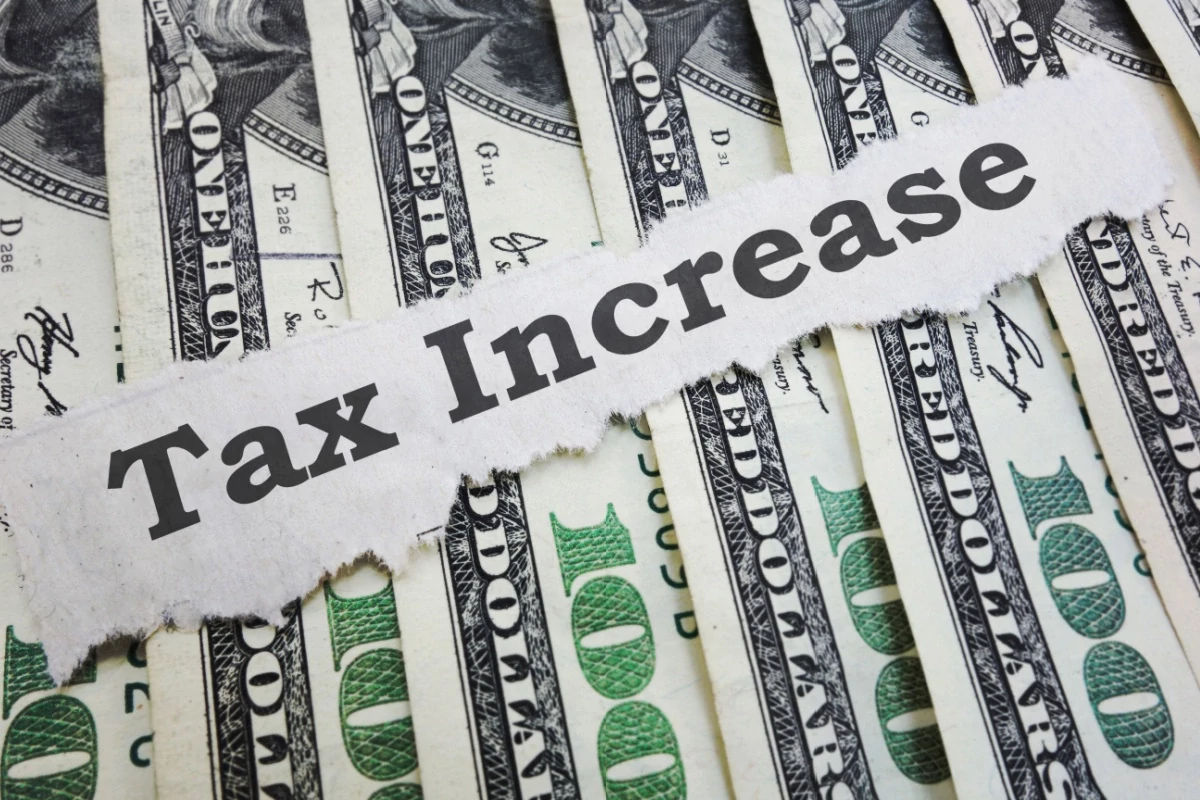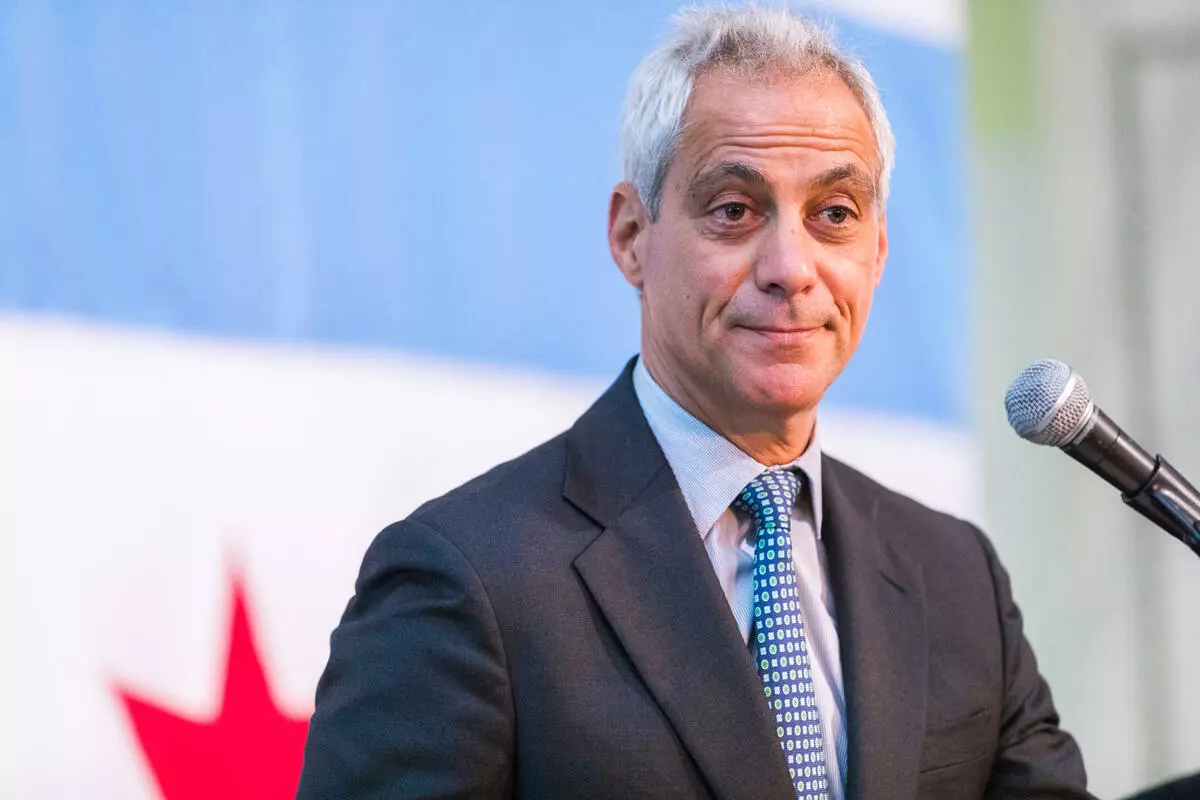
Potential 2028 presidential candidate Rahm Emanuel has included a 10% federal tax on all US iGaming as part of his 2028 policy aspirations. The tax, to be levied on all iGaming ranging from online sports betting and casino to prediction markets, would be in addition to existing state fees that operators are currently responsible for.
In a recent WSJ video interview with columnist Matthew Continetti, the White House Chief of Staff for the 44th President named several agencies that could potentially benefit from the “$30 to $50 billion” in annual tax revenue. The blanket fees would be placed in an “innovation fund” that would then be distributed to the NIH, DARPA, and the Department of Energy, among others.
Emanuel cited the country’s technological race with China as justification for his iGaming tax proposal. “You can’t ban prediction markets. You can’t ban online sports gaming, but we can have it become an advantage for America in its competition with China,” stated the former mayor of Chicago.
The regulated online casino and sports betting industry is already state regulated in jurisdictions such as Pennsylvania, where iGaming companies must hand over as much as 54% of their “interactive gaming” net revenue to state-based initiatives. For FY 2025/26 alone, the Keystone State has already collected just shy of $1B in tax revenue from online slots and sports wagering, according to the latest figures published by the Pennsylvania Gaming Control Board.
Even so, Emanuel’s approximate sum of $30 to $50 billion per year in federal excise would far exceed what licensed operators could cover when combining all regulated US markets.
The candidate’s commentary also appears to confuse sports betting “handle” with “hold” when relaying his projections. “So, my view, you’re sitting around betting whether [Seiya] Suzuki at the Chicago Cubs throws a no-hitter. Great. Ten percent’s going to go into an innovation fund.”
Margins for regulated sports betting apps throughout the country are typically between 4 to 7 percent. This means that sportsbooks usually retain only $4 to $7, on average, for every $100 wagered on a sports bet.
Critics argue that if a 10% fee were imposed on all online sports wagers, that tax alone would promptly bankrupt online sports betting apps that operate legally within the statewide US market.
In many jurisdictions, offshore sports betting apps and casinos enjoy joint access with their regulated iGaming competitors without any domestic tax obligations. This is due to licensing infrastructure that is purposefully located outside of the United States.
The higher the regulatory burdens for legal operators, the greater the benefit can be for such apps, which are not bound by US-facing Responsible Gaming (RG) or tax collection protocols. The unintended consequences associated with squeezing US-licensed iGaming and sports betting apps can include fewer customers as sports bettors seek operators who can fulfill their entertainment needs for a lower price while providing generous bonuses.
The perceived ease in which legal iGaming can be taxed on a federal level has resulted in plans ranging from funding emergency response programs to bolstering national security aims, but has so far failed to materialize due to real-world realities of iGaming “total wagers” versus actual “profits.”
It is yet to be determined if there will be an increased amount of federal tax proposals for iGaming as the 2026 midterm election cycle approaches and the 2028 presidential race looms.