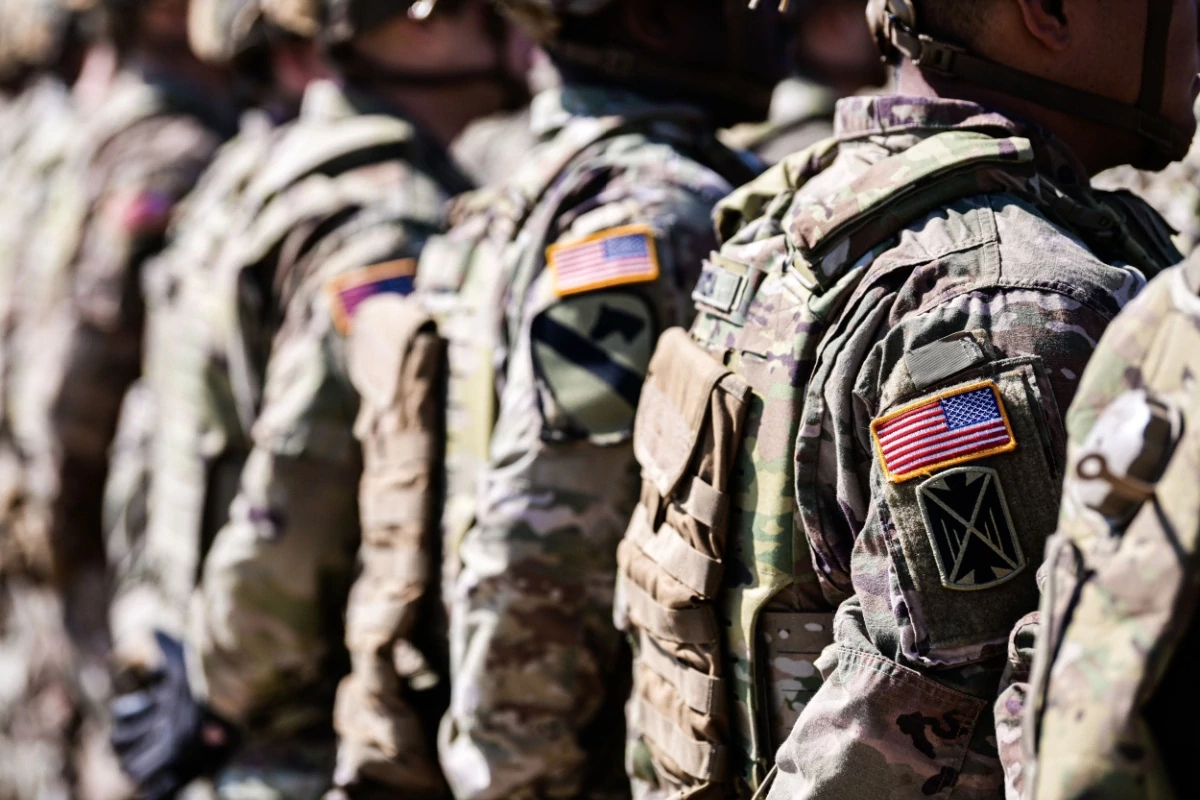
The National Council on Problem Gambling (NCPG) sees a problem as U.S. military service members and veterans’ risk of gambling addiction is higher than others. One study found that military personnel’s problem gambling scores were double the rate for civilians, while another found that 40% of veterans seeking treatment for a gambling problem attempted suicide.
The studies highlight the challenges that deployments, money issues, and mental health struggles create, and the prevalence of online gaming apps has contributed to the concern. These make gambling problems more likely. Veterans also struggle, especially when transitioning to civilian life.
The NCPG wants to act while they have the support, targeting the 2026 Defense Appropriations Act as a means to fund research.
A bipartisan group of lawmakers, including Senators Mitch McConnell and Chris Coons, agrees with the NCPG that gambling addiction is a growing threat. Democrats and Republicans signed a letter that asked Congress to fund research that would benefit service members from all military branches. It calls for studies to find ways to prevent and treat gambling problems.
The funding would help the Department of Defense (DoD) and the Department of Veterans Affairs (VA). They could add gambling addiction screening to health programs, which would give current service members and veterans better support.
The NCPG’s plan fits with DoD’s focus on mental health. Recent DoD policies aim to tackle mental health and substance abuse with evidence-based solutions. Their proposed solutions would ideally be implemented on military bases and in VA centers across the country.
The gaming industry supports the NCPG’s work. Companies like BetMGM and FanDuel back the research and movement from lawmakers as well. Legal gaming companies have an incentive to promote responsible playing for the long-term benefit of users and their business.
“Problem gambling disproportionately impacts our military communities and has life-altering impacts on service members who do not receive treatment,” said Cory Fox, VP of Public Policy and Sustainability at FanDuel.
“We’re proud to stand with an industry coalition to ask that we support our service members and their families by adding gambling addiction as an eligible research topic in the Peer-Reviewed Medical Research Program.”
The NCPG has plans to use the $10 million to fund studies that track gambling habits in the military. These studies would test prevention and treatment programs before implementing a more widespread effort.
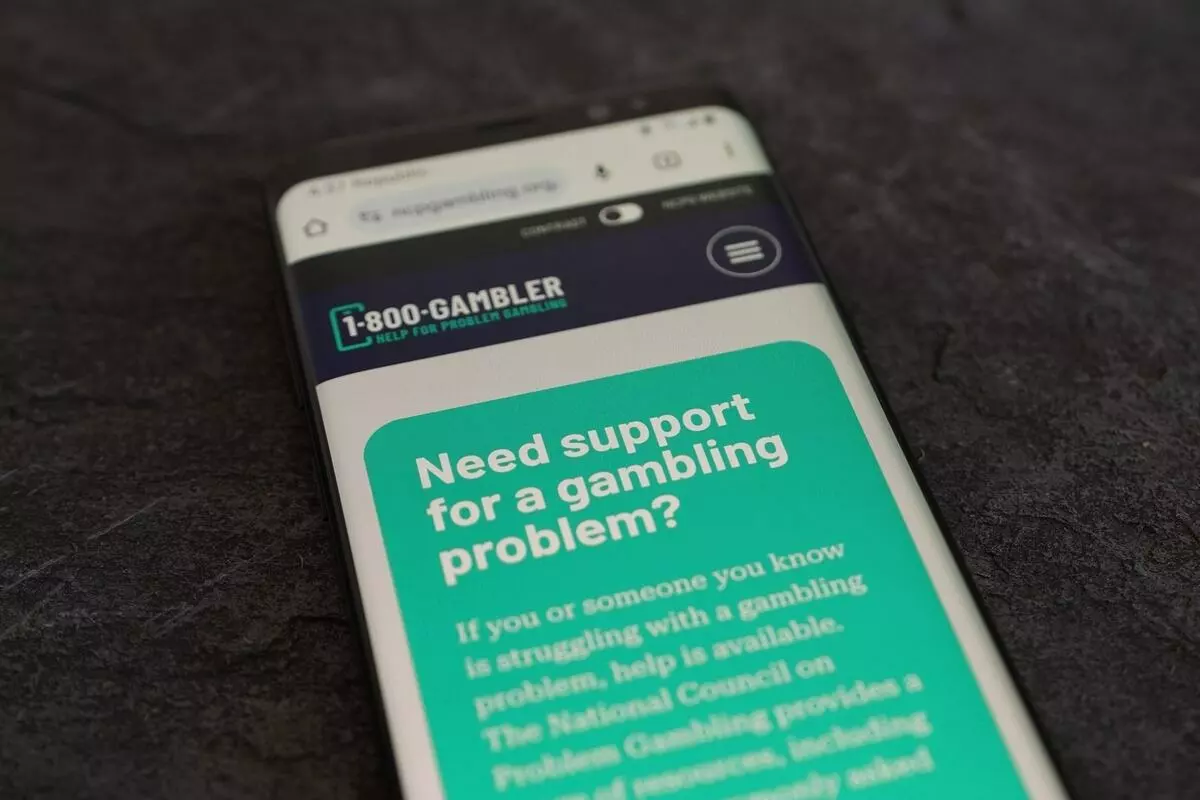
The NCPG also plans events, including a recent one on June 12 and a forthcoming meeting on September 11, 2025, to gather feedback. These are opportunities to help improve the National Problem Gambling Helpline and shape how the rapidly evolving legal betting world is handled in the coming years, as more expansion comes.
Gambling addiction is a public health issue that is hitting military communities especially hard. Service members and veterans face unique challenges that especially highlight stress and easy access to increased gambling risks. The NCPG’s push for research is a step forward, and there’s rare bipartisan support on the topic.
The proposed funding would bring better data, prevention, and treatment. The NCPG’s work continues to grow and aims to build a safer future for those who serve.