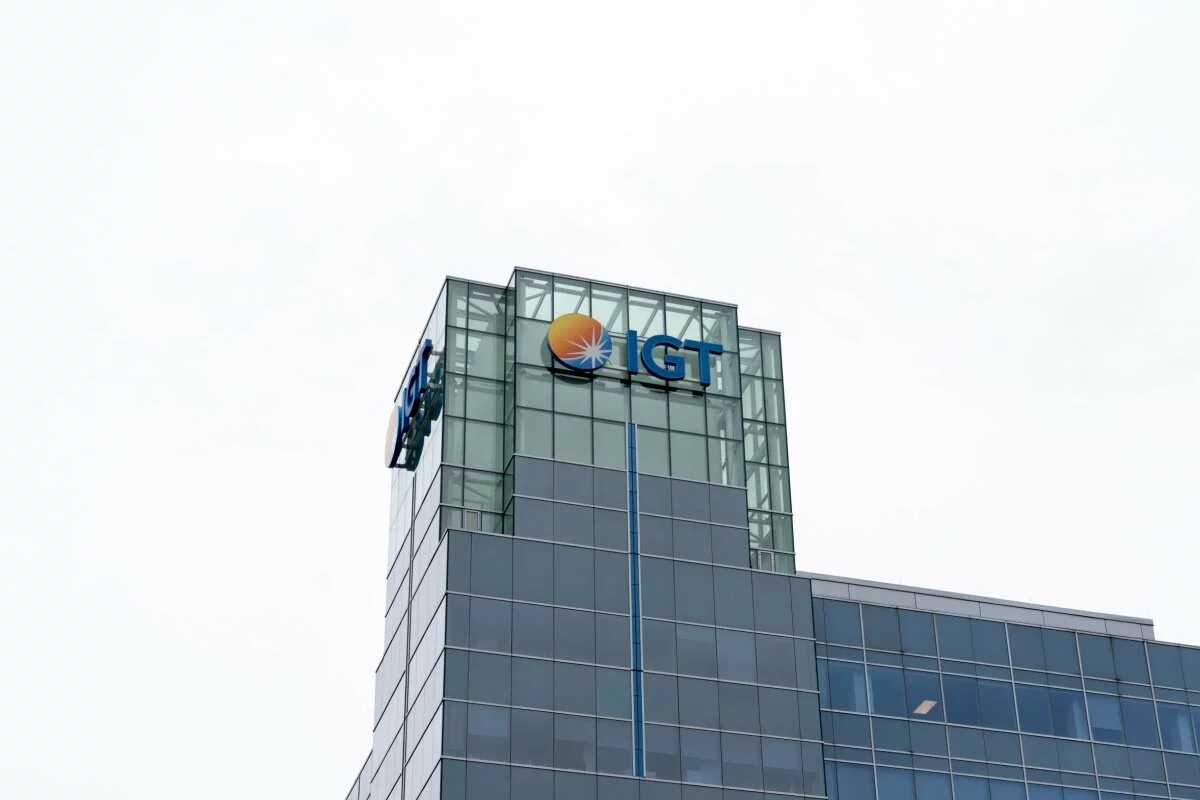
Rhode Island lawmakers are considering expanding the state’s sports betting market beyond its current single-operator model. The goal would be to allow multiple sportsbooks to operate in the state. Currently, Rhode Island users have access to only one platform, which is operated by IGT, Bally’s, and the state lottery system.
Rhode Island’s current sports betting structure has drawn criticism from bettors who feel the market lacks the variety available in neighboring states. Since they only have one legal online sportsbook, users do not have the ability to compare platforms, odds, or features across multiple operators.
One common complaint centers around betting variety, particularly when it comes to player props and other in-game wagering options. Bettors in states with competitive markets often have access to significantly larger menus featuring same-game parlays, alternate player lines, live micro-betting, and other customizable wagers. On the other hand, Rhode Island users have a more limited experience.
Expanding Rhode Island’s sports betting market could provide several benefits for consumers and the state itself. With multiple operators competing for users, bettors would gain access to more competitive odds, a wider variety of betting markets, and more promotional offers. These are all common features in states with competitive sportsbook markets.
Greater competition can also improve the overall user experience, since they’d gain access to more intuitive platforms like FanDuel and DraftKings, which are renowned for their mobile apps. In turn, a more attractive sports betting market could increase overall betting activity. This would benefit the state by generating more revenue.
One concern with Rhode Island’s current single-operator model is that some bettors may look outside the regulated market for better odds, more betting options, and a larger list of promotions. When users feel limited by a lack of competition, offshore sportsbooks can become more appealing despite operating outside U.S. regulatory oversight.
Unlike licensed sportsbooks, offshore operators are not subject to the same consumer protection standards. This means users may have fewer safeguards related to responsible gaming tools, dispute resolution, withdrawal protections, and data security. In some cases, bettors can encounter issues with delayed payouts or limited recourse if disputes arise.
Introducing multiple regulated operators could help keep more bettors within the legal market. By offering a stronger overall product and more competitive features, the state could reduce the incentive for users to wager through unregulated offshore platforms.
Currently, Rhode Island users could venture to neighboring states like Massachusetts, but that’s a major inconvenience. Adding more sportsbooks is the right solution, both for the player and for the state.
The future of Rhode Island sports betting will depend on whether lawmakers ultimately move forward with legislation to expand the market beyond its current structure. Supporters believe additional operators could modernize the state’s sports betting industry. However, concerns remain about how expansion could impact the existing revenue-sharing model tied to IGT, Bally’s, and the Rhode Island Lottery.
For now, the debate highlights a broader question facing Rhode Island lawmakers: whether maintaining a monopoly model still makes sense as neighboring states continue to offer more competitive sports betting markets. Pressure could continue mounting for Rhode Island to expand its legal sportsbook options, especially with so many options in neighboring states like Massachusetts.