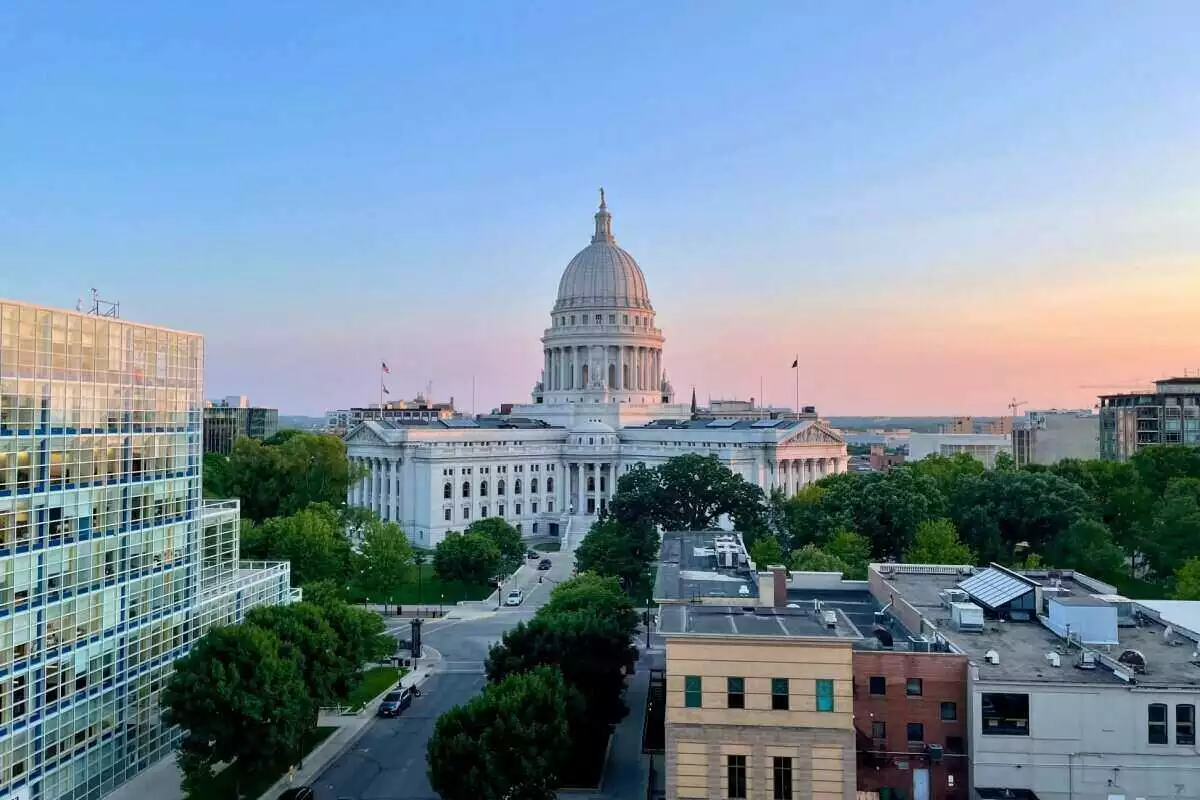
The Sports Betting Alliance (SBA), representing major operators such as DraftKings, FanDuel, BetMGM, and Fanatics, has announced its opposition to Wisconsin’s proposed online sports betting legislation, Senate Bill 592.
While the group supports the legalization of online wagering, it argues that the bill’s current framework makes participation economically unfeasible. The stance sets up a potential conflict between state lawmakers, tribal representatives, and industry stakeholders over how best to structure a legal online betting market in Wisconsin.
The SBA opposes Senate Bill 592, arguing that its proposed revenue-sharing structure between commercial sportsbooks and tribal gaming operators would not be financially sustainable.
The primary concern is that the bill would require online operators to give at least 60% of their revenue to tribal partners under the proposed “hub-and-spoke” model, in which bets placed off-site must be routed through servers located on tribal land.
The SBA maintains that such a high revenue share would be economically unviable for commercial sportsbooks operating within the already low-margin digital wagering market. This news comes after SB 592 was gaining momentum in Wisconsin.
While the SBA represents many of the largest players in the U.S. sports wagering market, its opposition does not necessarily determine the fate of Wisconsin’s online betting bill. Lawmakers and tribal entities still hold the decisive power in shaping and approving any legislation related to gambling expansion.
Because sports betting in Wisconsin currently operates under tribal compacts, not commercial licenses, the tribes maintain significant leverage over how online betting could be implemented statewide.
However, the SBA’s position could influence the market’s trajectory if SB 592 advances. Perhaps operators that SBA works with, like FanDuel, DraftKings, BetMGM, and Fanatics, would not enter the Wisconsin market due to this issue with revenue sharing.
This would leave Wisconsin with a smaller pool of sportsbook providers, potentially limiting consumer choice and reducing tax revenue projections. On the other hand, lawmakers may use the alliance’s objections to revisit the bill’s revenue-sharing model or explore alternative frameworks that attract both tribal and commercial participation.
Ultimately, while the SBA cannot directly block legislation, its public opposition adds pressure to the debate, signaling to policymakers that the current proposal may struggle to create a competitive, sustainable market without modification.
The path forward for SB 592 will likely depend on whether lawmakers can balance tribal interests with the economic realities faced by major sportsbook operators. With the SBA’s opposition now public, legislators may feel pressure to revisit the bill’s financial framework to ensure the market can attract both tribal and commercial participation.
Tribal representatives, however, are expected to defend the existing structure, which ensures a central role for sovereign nations in any expansion of online wagering. Lawmakers will need to weigh these competing priorities while considering consumer demand for regulated betting options and the potential for increased state revenue.
As discussions continue, Wisconsin’s approach could serve as a test case for how states without commercial casino infrastructure navigate the intersection of tribal gaming rights and the modern online betting economy.