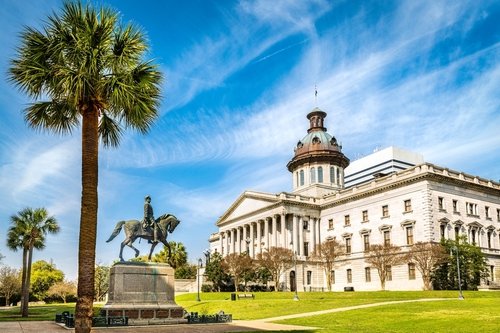
South Carolina’s most recent attempt to authorize a commercial casino along the Interstate 95 corridor has effectively collapsed after Governor Henry McMaster reiterated his refusal to support gambling expansion. According to reporting from PlayUSA, the bipartisan proposal—which aimed to stimulate economic development in a deeply impoverished region—was considered dead on arrival largely because it lacked the backing of the governor.
The plan centered on a proposed casino site in Orangeburg County, an area struggling with limited job opportunities and low tax revenue. Developers had hoped to replace a deteriorating outlet mall in Santee with a casino property positioned near Lake Marion. Supporters argued the project could help reverse decades of economic stagnation in the region.
Lawmakers attempted to win over reluctant colleagues by advancing a revenue compromise that earmarked a significant portion of casino taxes for conservation initiatives. House Ways and Means Chairman Bruce Bannister introduced the amendment in hopes that directing funds toward land preservation—a priority for state leadership—would make the bill more palatable.
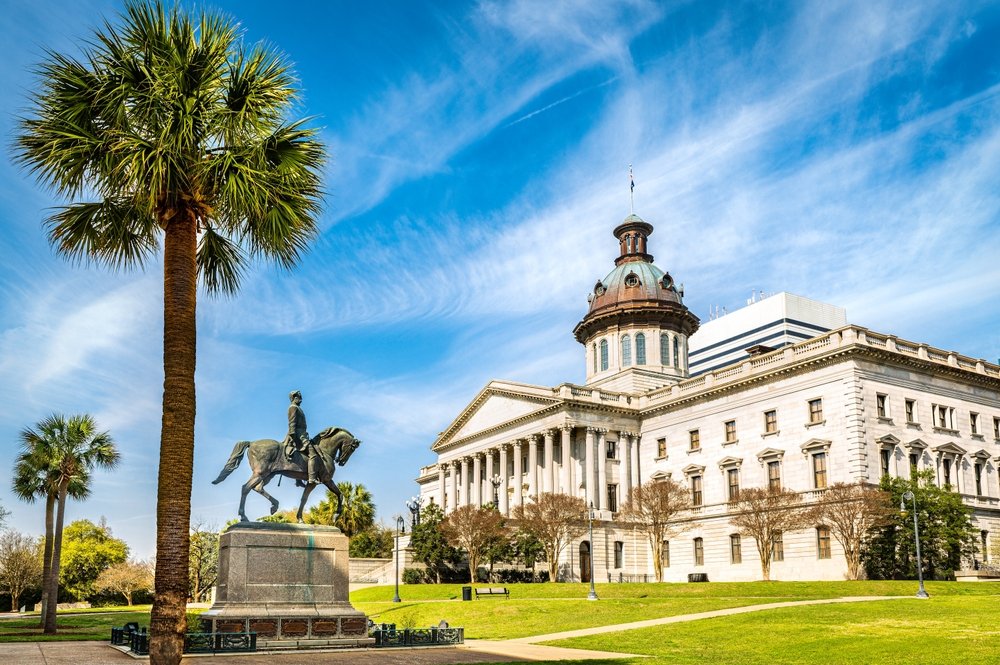
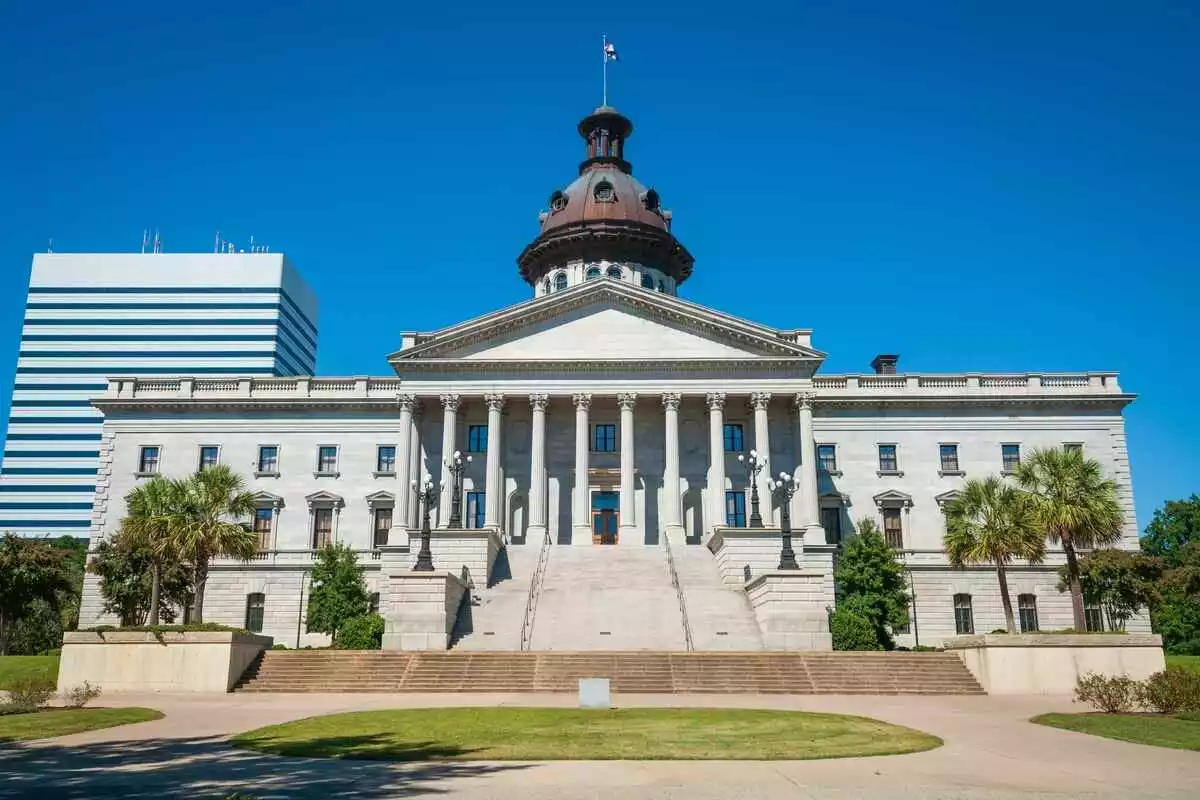
However, Governor McMaster rejected the approach, maintaining that he opposes casino gambling regardless of any attached incentives. His stance remains unchanged from earlier statements that most South Carolinians do not want casino expansion and that he shares that view. Without the governor’s support, legislative momentum quickly faded.
The bill initially moved forward with bipartisan backing but soon encountered rising resistance. Key supporter Rep. Gil Gatch withdrew his name from the proposal in January, signaling fading enthusiasm within the General Assembly. Shortly after, Bannister recommitted the bill to the House Ways and Means Committee rather than sending it to the floor for debate.
Opposition groups also played a significant role. Religious organizations and other anti-gambling advocates intensified their presence at the Statehouse to discourage lawmakers from advancing the measure. Their efforts contributed to an environment where legislators saw little benefit in pushing forward a bill lacking executive approval.
South Carolina remains one of the strictest states in the country when it comes to gambling, permitting only the lottery and limited charitable bingo. The stalled proposal reflects longstanding resistance within both the governor’s office and the Senate, where leadership has consistently declined to consider gambling expansion.
While supporters hope future administrations may be more open to casino development, the current outlook suggests little immediate change. With Governor McMaster term-limited but still in office through 2027, legislators face limited prospects for revisiting the issue in the near term.
For now, the state’s latest casino bill joins a history of unsuccessful efforts, demonstrating how political opposition continues to shape South Carolina’s approach to gambling policy.