The long road to legalize sports betting in Texas has reached a critical point with the recent filing of the sports betting amendment bill, HJR 134.
For a very long time, a range of obstacles and bureaucratic issues have prevented Texas from joining the growing list of US states to legalize sports betting. This situation may change soon, thanks to a renewed push that has rallied more support and included fresh proposals.
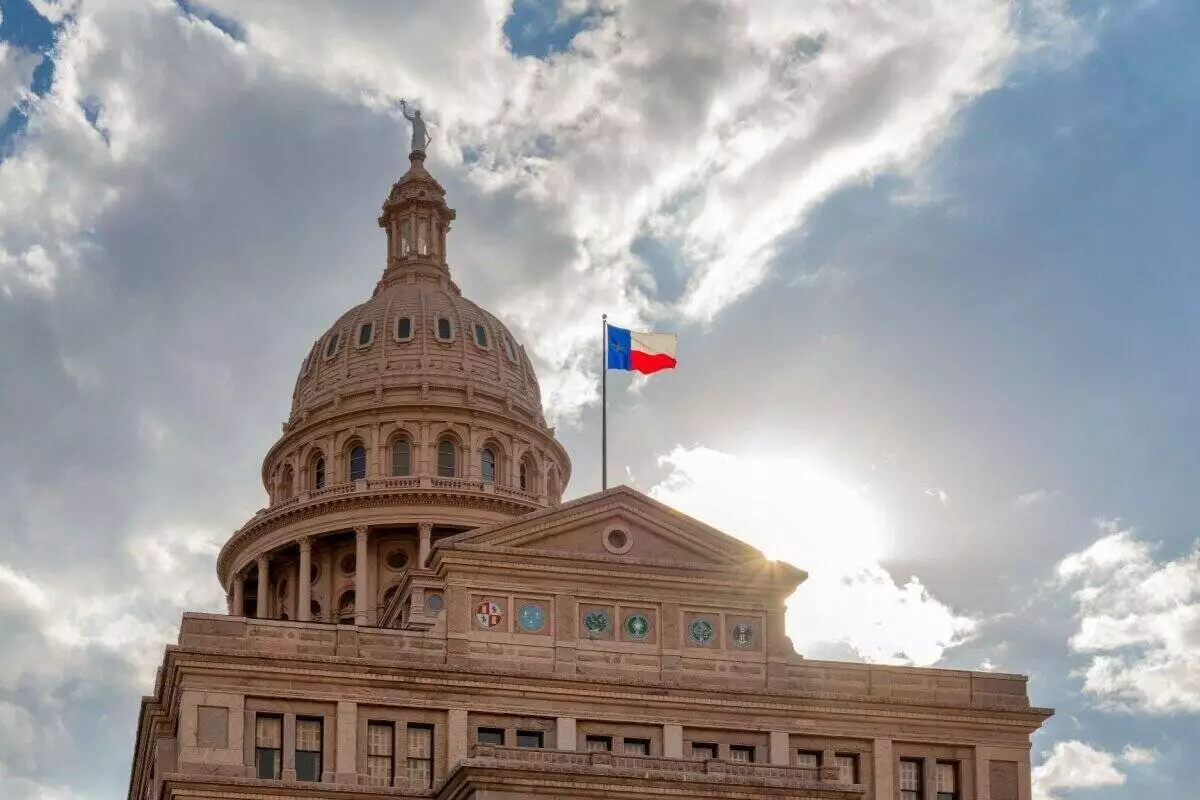
On 12 February, 2025, State Representative Sam Harless filed House Joint Resolution 134 on the floor of the Texas House. The latest push to get this historic bill over the line could put the final decision directly in the hands of public voters later this year.
As expected, this move has sparked strong reactions and renewed fresh debate on the hotly-contested subject of legal sports betting in Texas. There is cautious optimism from the Bill’s sponsors and supporters that it may finally clear this important hurdle and open the doors to the first legal sports wager in Texas. In the same vein, those opposing the HJR 134 remain resolute in their stance, pointing to the problems that legalization might bring.
As the Bill has progressed, a few things have come to light. HJR 134 has now been amended to focus primarily on retail sports betting, unlike the original draft which included online sportsbooks in its provision. Notable omissions include any provisions for tax allocations from gaming revenue, and the place of online sports betting. Both topics have invoked some serious discussion, as expected.
A few other important provisions within HJR 134 have also led to some heated discussion. The Bill suggested that professional sports teams, PGA Tour events, and Class I racetracks could qualify for betting licenses, even though no specific fasts or figures were included.
Texas can count 13 pro teams in the state, including seven from major leagues, plus three MLS teams, the WNBA Dallas Wings, and two women’s soccer franchises. The state also plays host to four annual PGA Tour events and four horse racing tracks.
The Bill also proposes that only entities existing prior to January 2025 would qualify for licenses, and that licensed operators will be permitted to partner with management service providers. As soon as the fine lines are cleared up and the licenses come into full effect, the pathway to legal wagering in Texas is opening up more clearly.
Those in favor of legalizing sports betting in Texas have put up quite a strong argument. They argue that a legal sports betting market would help recapture the millions of US dollars in potential gambling revenue that is lost to neighboring states and offshore sites.
Recent polls also suggest that a majority of Texans back legalization, particularly when tax accrued from it can help support funding of public services. In all of this, Governor Greg Abbott’s position has been more open than uptight. He has previously stated that he “doesn’t have a problem with online sports betting” and has referenced how states like New York and Michigan have managed to collect record-breaking revenues.
On the other side of the argument, there are fears relating to the dangers associated with betting. Some people argue that sports betting will cause gambling problems and bring economic distress to Texans. All states offering legal sports betting in the USA have faced this consensus challenge at some point in their journey – Texas is no different.
Many of the barriers that prevented the former Bill from moving forward still exist now. In addition, Senate leader Lieutenant Governor Dan Patrick, who has historically resisted gambling expansion, has vowed not to green-light HJR 134 going to the public vote without substantial Republican backing.
Even if Texan voters get their say during 2025, as anticipated, placing legal bets may not happen any time soon. This is because the state legislature only convenes during odd-numbered years, so the earliest possible implementation date will be 2027.
As Texans countdown to November, when they will have their say on the future of HJR 134, things are looking up for legal sports betting in the state.
A few familiar obstacles remain in place from the last time the Bill was heard, and some new ones may arise, like the lack of specifics about tax allocation and licensing. However, there is still hope that Texas will join neighboring states like Louisiana and Maryland, which both allow legal sports betting, putting an end to a long chapter of history.