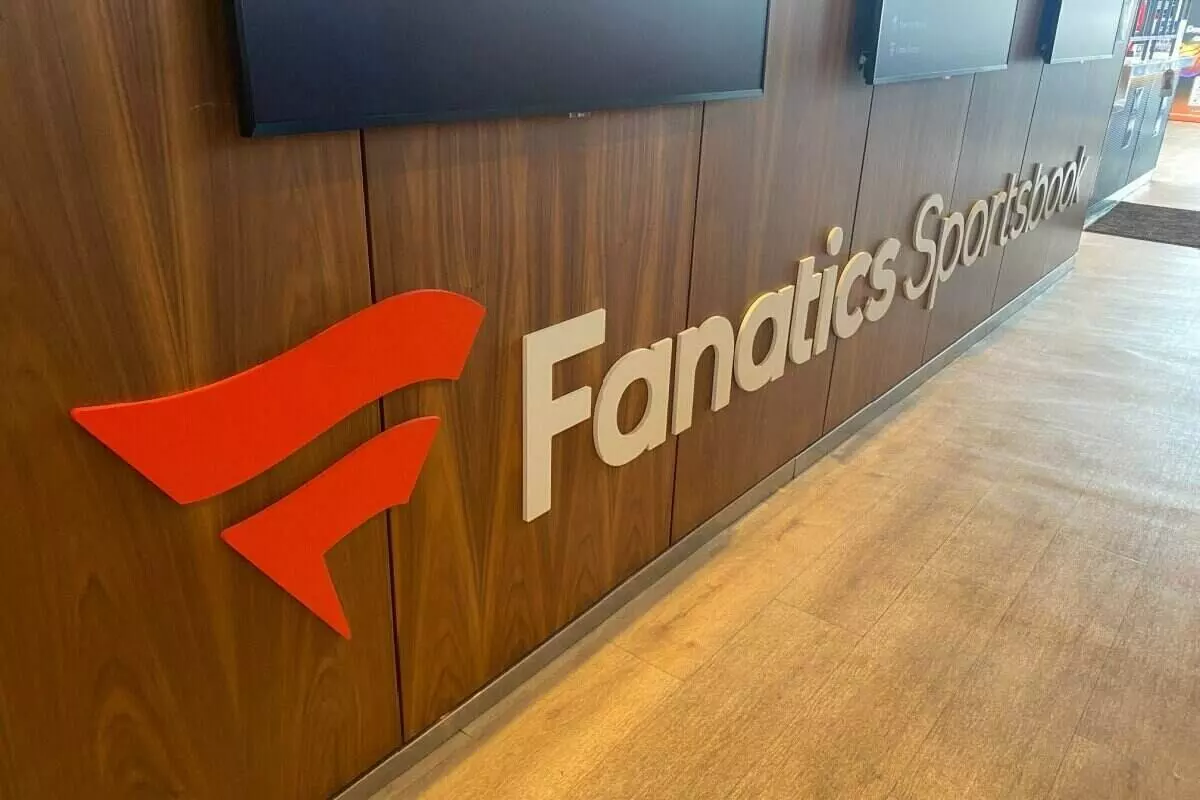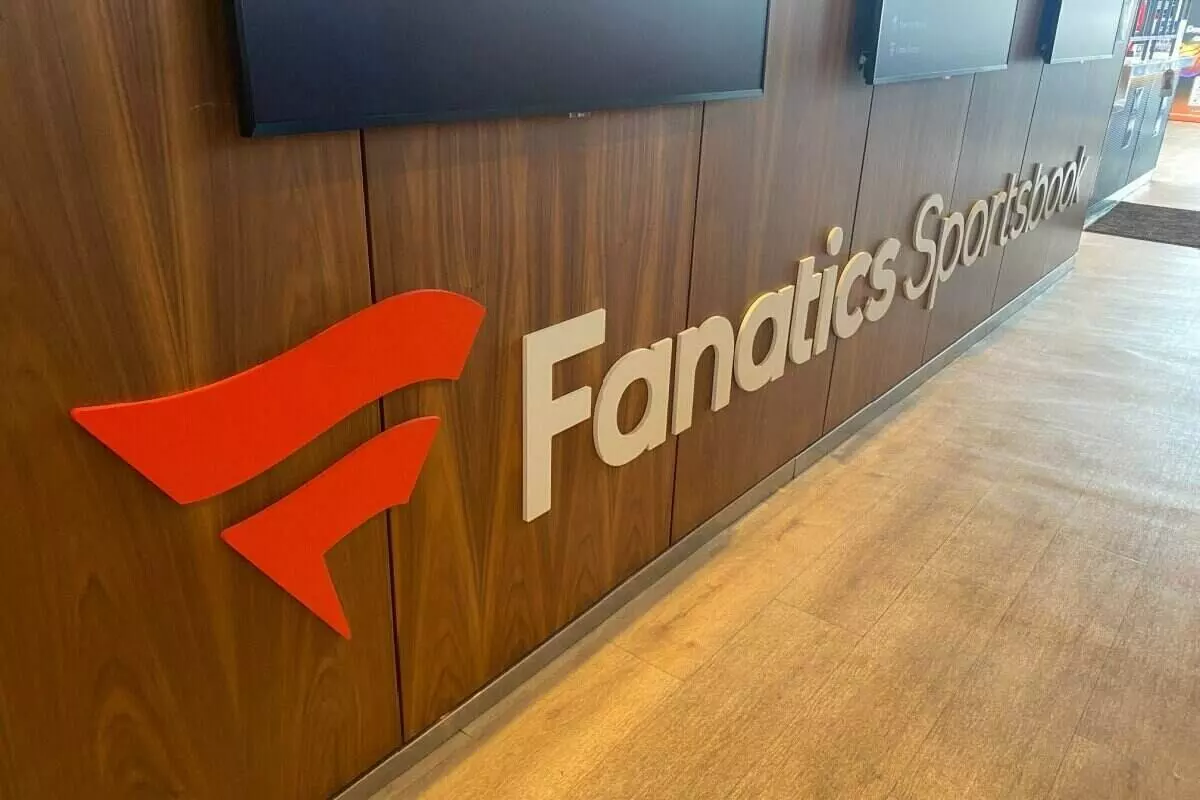
Fanatics CEO Michael Rubin says sports betting could account for nearly 40% of Fanatics’ profits by 2027, a dramatic shift for a company known for sports merchandise and that only entered the wagering market in 2023. The projection comes as Fanatics works to grow its market share in a field dominated by FanDuel and DraftKings, while absorbing heavy short-term losses in pursuit of long-term gains.
Fanatics has built its reputation as a powerhouse in sports merchandise, memorabilia, and trading cards, generating $8.1 billion in revenue in 2024, a 15% increase from the previous year.
In 2023, Fanatics acquired the U.S. assets of PointsBet to create its own licensed sportsbook. For now, the business is operating at a loss, with Rubin projecting $300 million in losses this year and another $150 million next year, before turning a profit by 2027.
Fanatics currently controls about 8% of the U.S. sports betting market, up from 4% a year ago, though it still lags behind giants FanDuel and DraftKings, which each hold about 35%. However, in August, Fanatics recorded a betting handle of over $560 million, more than doubling its previous monthly record.
The growth of Fanatics has been evident in several markets, including Massachusetts, where it has surpassed industry stalwarts such as BetMGM and Caesars.
Fanatics is also expanding across the country. It recently struck a deal with Boyd Gaming to enter Missouri, where online sports betting will launch on December 1, 2025. There are plans for Fanatics to also include retail sportsbooks within the state, marking another step toward broadening its national footprint.
For sports bettors, Fanatics’ aggressive push into the market could bring both benefits and drawbacks. On one hand, the company’s deep pockets and brand recognition from sports merchandise give it the ability to offer competitive promotions and integrated loyalty rewards. For example, players can earn FanCash through wagers, which can get them jerseys or trading cards. This kind of ecosystem could make Fanatics’ sportsbook stand out in a crowded field.
Players may also see more localized options as Fanatics partners with casinos and operators like Boyd Gaming to open retail sportsbooks alongside its online platform. That expansion makes gameplay more convenient, especially in new markets such as Missouri, where regulated betting is just coming online.
But rapid growth also raises questions. Fanatics is still relatively new to the sports betting industry, and the company will be under pressure to prove it can deliver consistent odds, secure technology, and strong player protections.
As betting handle grows, so does the importance of reliable customer support and responsible gambling tools. For players, the key issue is whether Fanatics can scale its operations quickly without cutting corners on safety and transparency.
The good news for players is that Fanatics has already shown to keep their interests in mind. This operator is consistently among the first to refund wagers on player props if the player leaves the game early due to injury. This approach not only builds trust with bettors but also sets a higher standard for fairness in an industry where player injuries can quickly turn excitement into frustration.