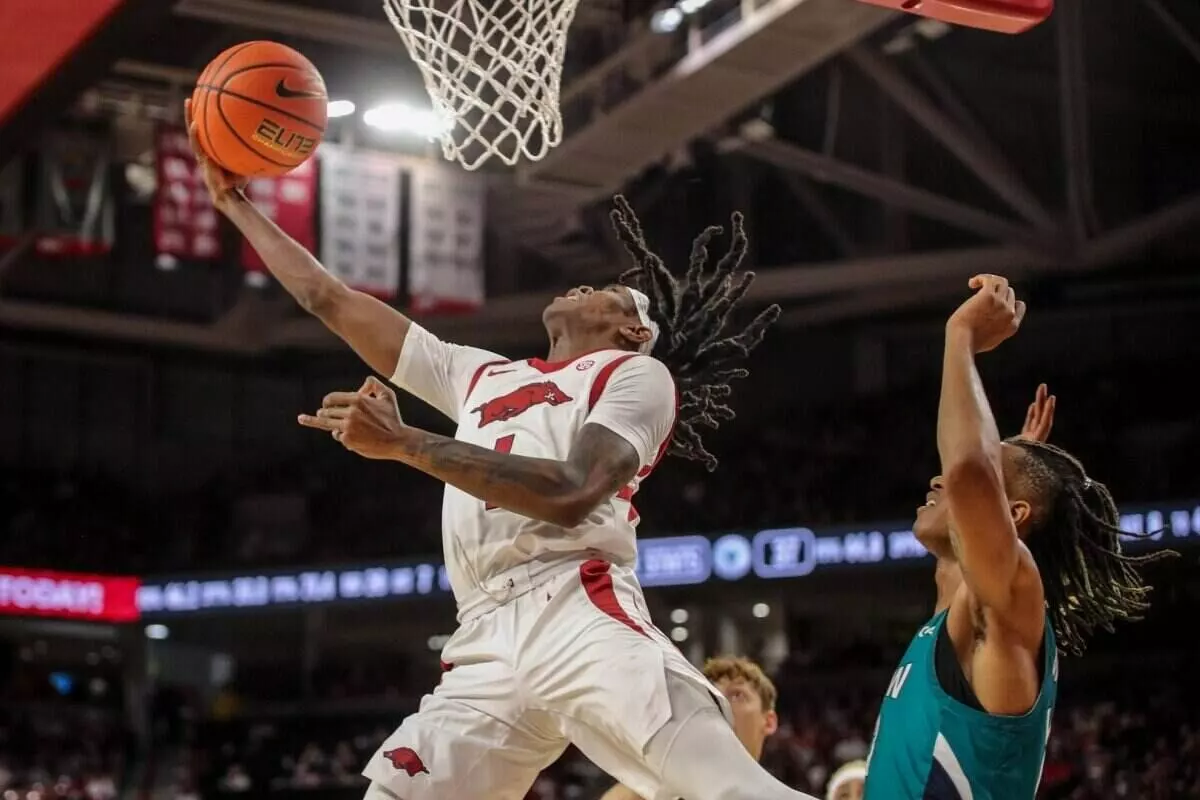
A new report from the NCAA highlights growing concern among Division I basketball players about the impact of sports betting on college basketball, which is based on a recent Student-Athlete Needs, Aspirations, and Perspectives (SNAP) survey. The report raises broader questions about what can be done to ensure player safety for college athletes alongside sports betting.
The SNAP survey, carried out in February, was sent to approximately 56,000 Division I athletes across participating schools. A total of 7,493 athletes from 154 institutions completed the survey. The project was conducted in partnership with Queensland University of Technology and Massachusetts Institute of Technology.
In the survey, more than 50% of respondents stated that betting harms sport’s reputation, with players noting a shift in fan behavior, away from team loyalty and toward outcomes tied to wagers.
Player harassment was another clear issue expressed in the survey. Nearly 60% of athletes report increased public scrutiny linked to betting, while one in three men’s players say they have been directly blamed by bettors for losses. Overall, 26% of athletes report experiencing verbal or physical abuse tied to gambling activity, underscoring a rising pattern of athletes becoming targets of frustrated bettors.
The impact is also being felt in relationships between athletes and their fans. About 74% of women’s players and 65% of men’s players say betting-related abuse has damaged trust with fans. They also say interactions are increasingly shaped by financial stakes rather than genuine support.
In response, the NCAA is taking a more active role in addressing the effects of sports betting on student-athletes, particularly as concerns about harassment and integrity grow.
One key initiative involves monitoring online abuse through partnerships with technology companies, including the use of artificial intelligence tools to detect and respond to harmful behavior directed at players.
The NCAA is also collaborating with payment platforms such as Venmo to help safeguard athletes from financial exploitation or harassment tied to gambling activity. If it’s found that a user harasses a player, they would be blocked on the platform.
There is also a push from the NCAA for restrictions on certain types of wagers, especially on player props. These bets can increase the likelihood of targeted abuse, as bettors may single out players based on specific in-game outcomes.
During March Madness, the NCAA also released a public service announcement, “Draw The Line,” which aimed to raise awareness on harassment faced by athletes due to sports betting.
Each of these efforts aims to protect college athletes from targeted abuse related to sports betting.