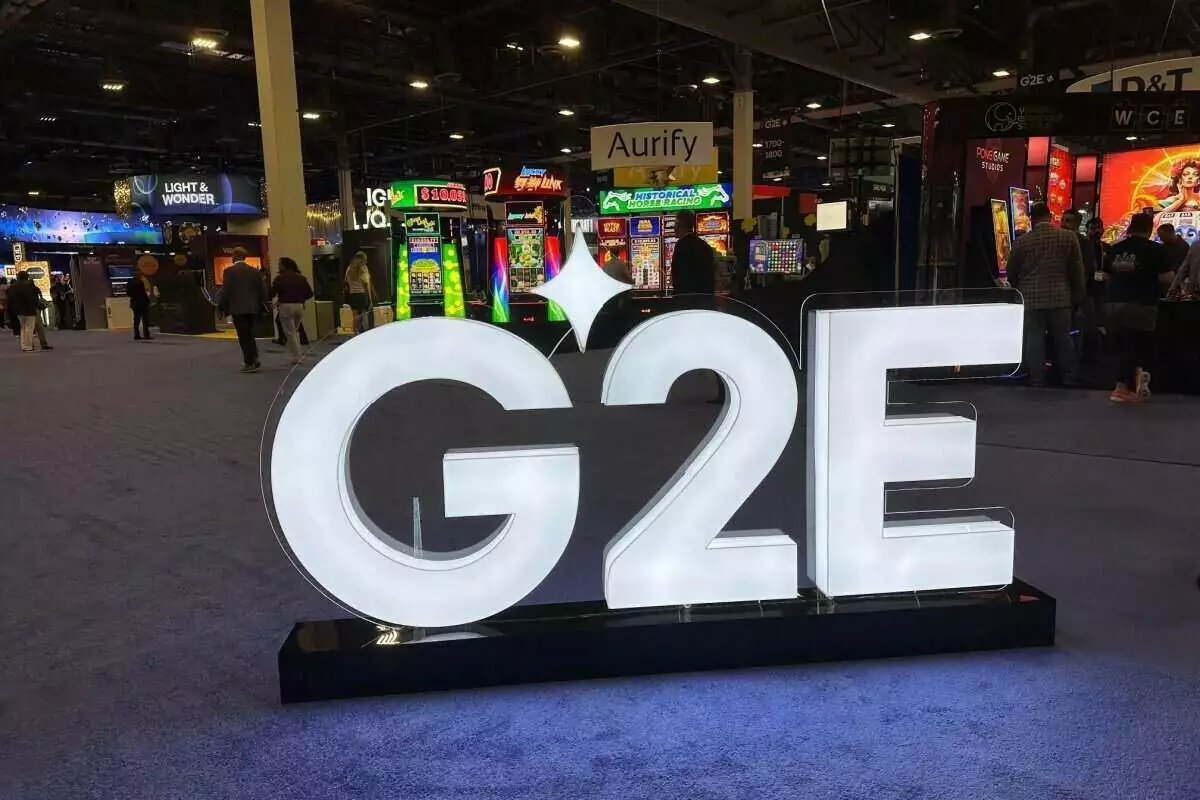
At this year’s Global Gaming Expo (G2E) in Las Vegas, industry stakeholders warned that the era of sweepstakes casinos may be coming to an end.
Once marketed as a legal alternative to traditional online casinos, these sweepstakes platforms are now facing growing legal and regulatory challenges across the United States. With several states issuing cease-and-desist orders and new bans near the finish line, experts say the pressure could accelerate the push toward fully regulated, real-money online casino gaming.
Since 2024, attorneys general in more than a dozen states, including Arizona and New York, have collectively issued several cease-and-desist letters targeting major operators such as WOW Vegas. Other operators, like Stake.us, have faced lawsuits.
These orders accuse the platforms of offering unlicensed gambling through their virtual coin systems, which regulators say closely resemble real-money wagering.
Panelists at G2E discussed the increased scrutiny on sweepstakes casinos. Shawn Fluharty, head of government affairs at licensed operator Play’n GO, stated that sweepstakes casinos are “kind of like a moonshine appearing in an ad beside Anheuser-Busch.” Fluharty went on to state that this is “waking up legislators across America to take a stand.”
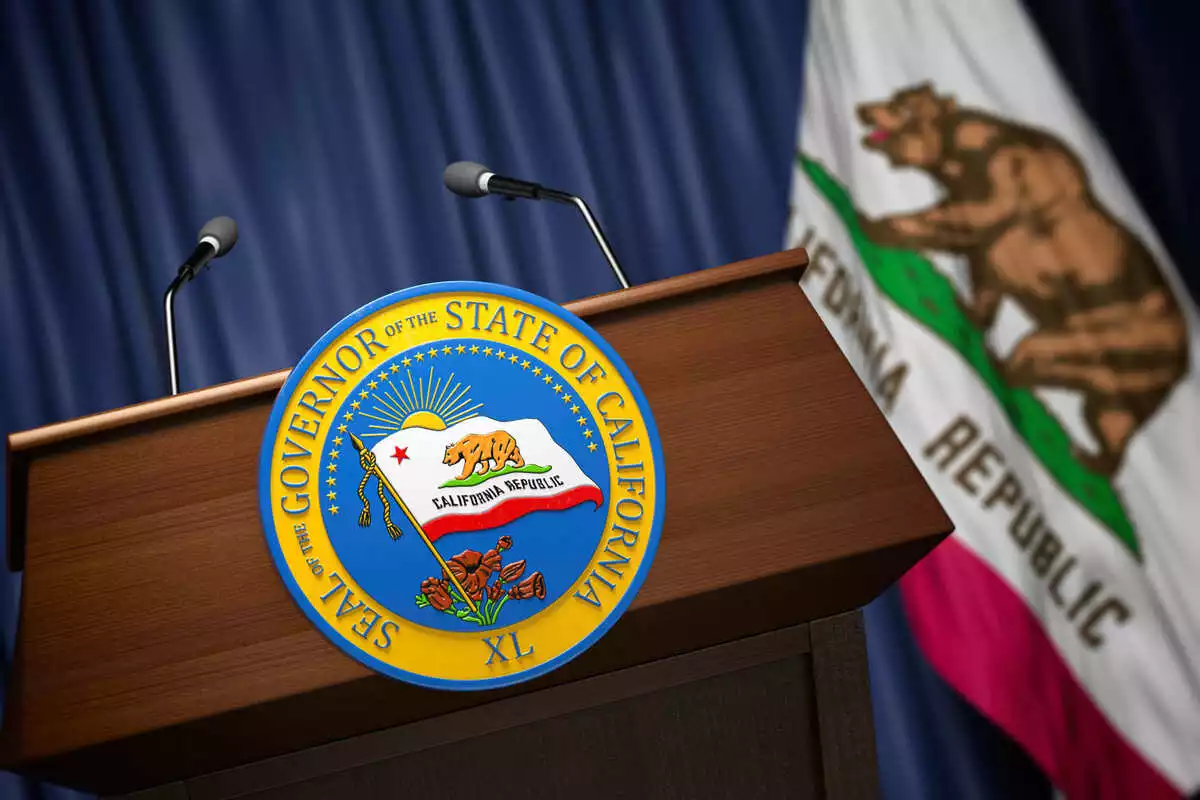
With a California sweepstakes ban awaiting Gov. Gavin Newsom’s signature, that would remove a major market within this space. Since California accounts for almost 20% of sweepstakes revenue, it could make it difficult for operators to recover from this loss.
Together, these actions reflect a coordinated push from both regulators and lawmakers to rein in the largely unregulated sweepstakes casino market, a move that could reshape the future of U.S. online gaming.
With increased enforcement on sweepstakes casinos, this could ultimately accelerate the growth of legal, real-money online casinos. During the G2E panel, Fluharty suggested that the downfall of unregulated sweepstakes platforms could reignite stalled efforts to legalize iGaming nationwide.
Currently, only seven states allow real-money online casinos, including New Jersey, Pennsylvania, Michigan, Connecticut, Delaware, West Virginia, and Rhode Island. This is a stark contrast to sweepstakes casinos, which are often operational in dozens of states.
In each of those states, online casinos have accounted for more revenue than sports betting. For example, back in May, New Jersey had over $240 million in online casino revenue, compared to just over $100 million for sports betting.
Combine that with the widespread popularity of sweepstakes casinos, and there is clearly a strong consumer demand for online gaming options. By forcing policymakers to confront the reality of unregulated play, the crackdown on sweepstakes casinos may inadvertently fuel momentum for a safer, regulated iGaming market.
“Ironically,” Fluharty said, “the sweepstakes companies might end up being the reason real-money online casinos finally expand across the U.S.”
The risk with a sweepstakes removal without bringing in regulated online casinos is that it would drive users towards offshore platforms, which do not have the same safeguards as these other operators.