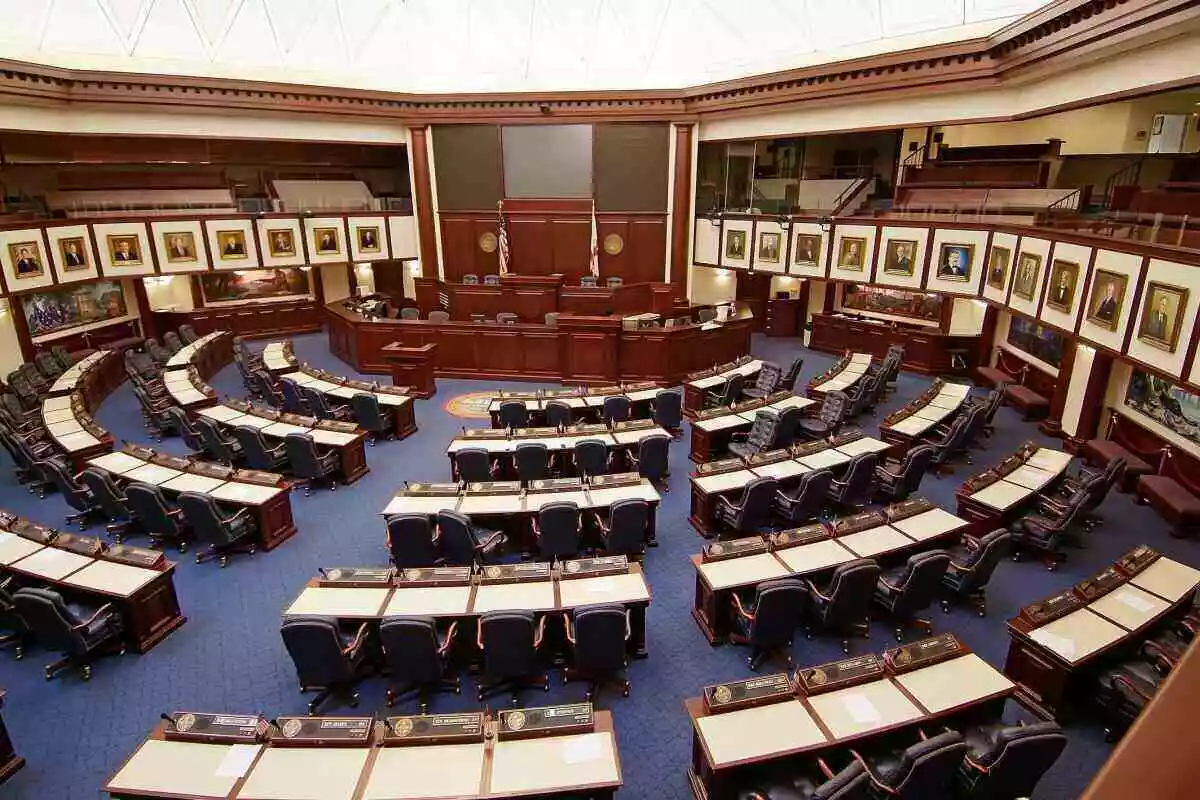
Tennessee lawmakers are advancing legislation to ban sweepstakes casinos with House Bill 1885, which was introduced by Rep. Scott Cepicky and Rep. Clay Doggett.
Under House Bill 1885, Tennessee lawmakers aim to formally define sweepstakes casinos as unlawful gambling operations. The proposal targets sites that operate using virtual currencies with real-world value. It aims to close what regulators see as a loophole that has allowed these platforms to function outside traditional gaming laws.
The measure would also strengthen enforcement by bringing violations under the state’s consumer protection framework, giving authorities broader powers to demand records and pursue penalties if violations occur.
Clearer definitions and stricter oversight aim to address the rapid growth of sweepstakes casinos, ensuring that they are subject to the same standards as regulated gambling.
If Tennessee moves forward with banning sweepstakes casinos, players seeking online casino games would be left without options. Unlike some other states, Tennessee does not offer regulated iGaming, meaning there are no licensed online casinos available as an alternative.
As a result, some users could turn to offshore gambling websites, which operate outside U.S. jurisdiction and lack the same consumer protections. These platforms often do not provide guarantees around fair play, secure payments, or responsible gaming measures. This increases potential risks for players.
Removing sweepstakes casinos without introducing a regulated replacement could unintentionally drive demand into unregulated markets.
There is currently no momentum for Tennessee iGaming, so a sweepstakes casino ban would pose the risk of moving players offshore.
Tennessee’s push to ban sweepstakes casinos is the latest example of a nationwide effort to crack down on unregulated gaming platforms that lawmakers view as exploiting legal gray areas.
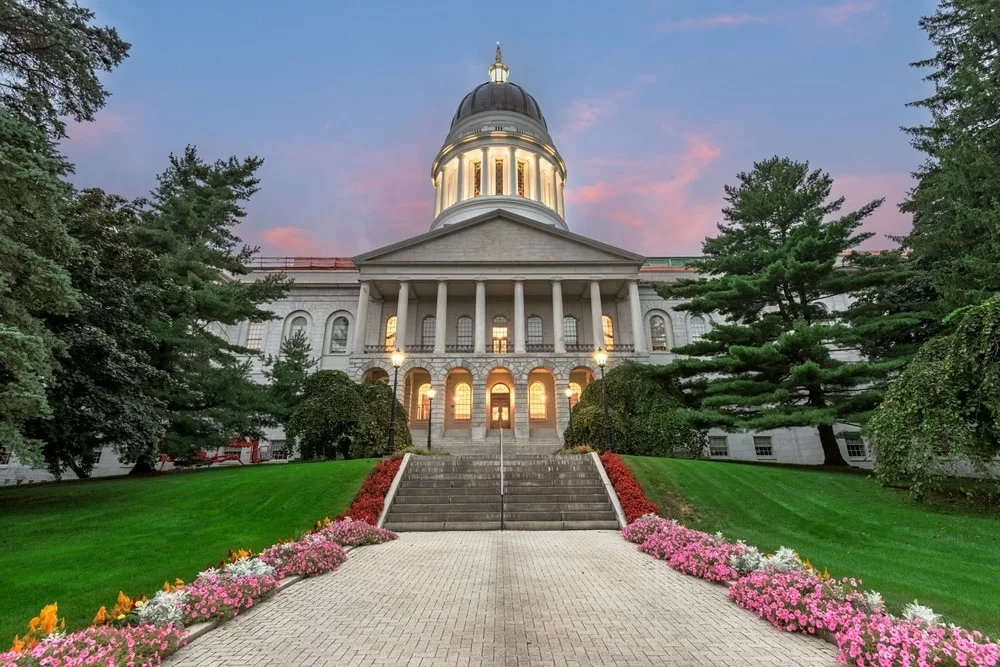
We’ve seen this in several other states, with California banning sweepstakes casinos at the beginning of the year. Indiana and Maine are two examples of similar markets to Tennessee that have recently banned these platforms.
Meanwhile, momentum is building in Minnesota, where lawmakers are advancing legislation that would outlaw sweepstakes casinos outright.
A Senate bill is expected to pass before the legislative session concludes next month, with clear bipartisan support.
With so many states banning sweepstakes casinos, it raises questions about the future of this platform. Since there is increased legal scrutiny, the current sweepstakes casino model is unsustainable in the U.S. market. They will need to consider alternate methods of operating within the country, given the new market conditions.