Three more sweepstakes casinos have announced that they are closing, marking another setback for this industry. The move comes amid increasing regulatory scrutiny and looming legal changes that could reshape the future of sweepstakes-style gaming in the United States.
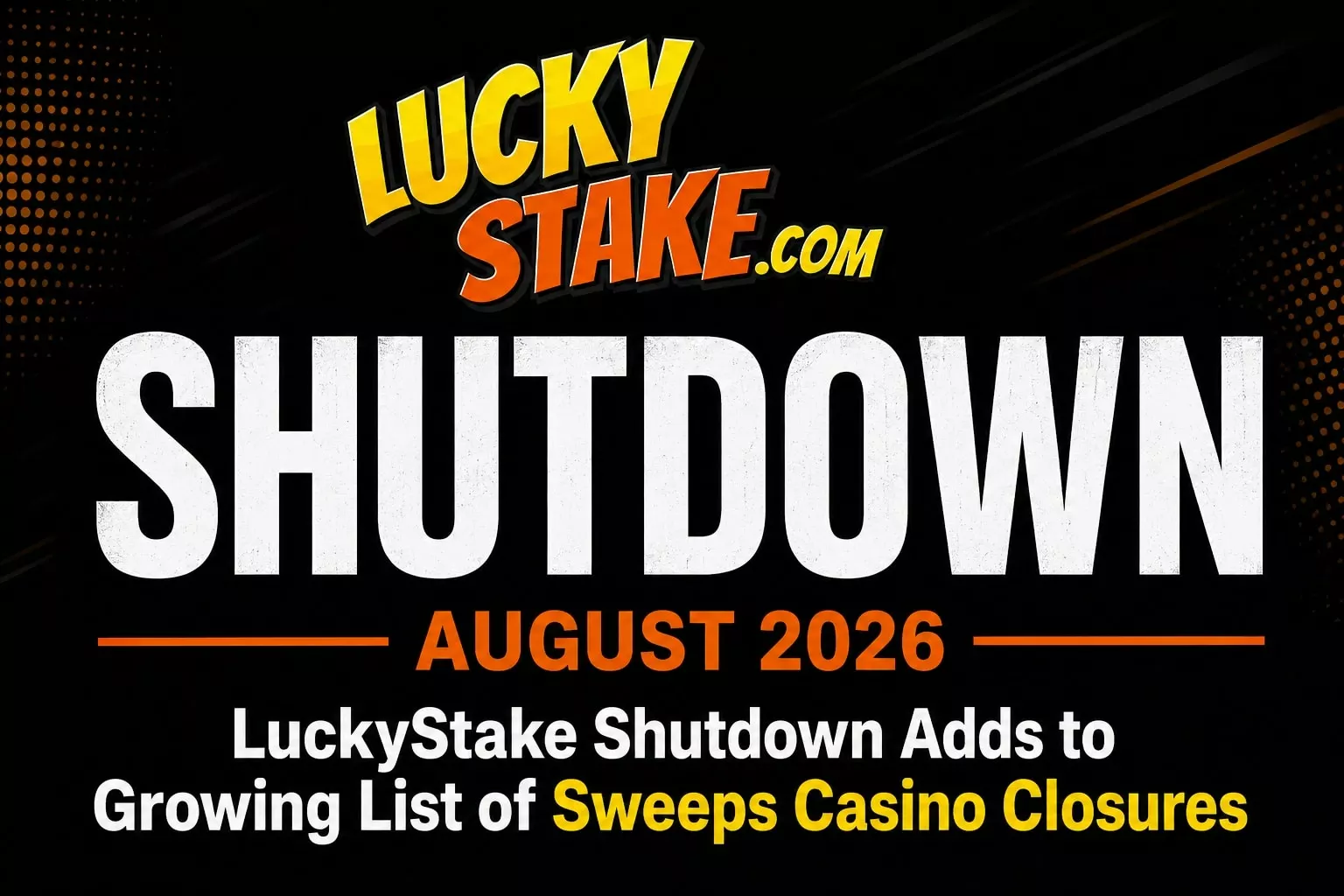
LuckyStars, OnPoint Casino, and Turbo Stakes Casino have announced plans to permanently shut down on November 16. These closures bring the total number of sweepstakes casino shutdowns since October to six, reflecting a growing trend within the industry.
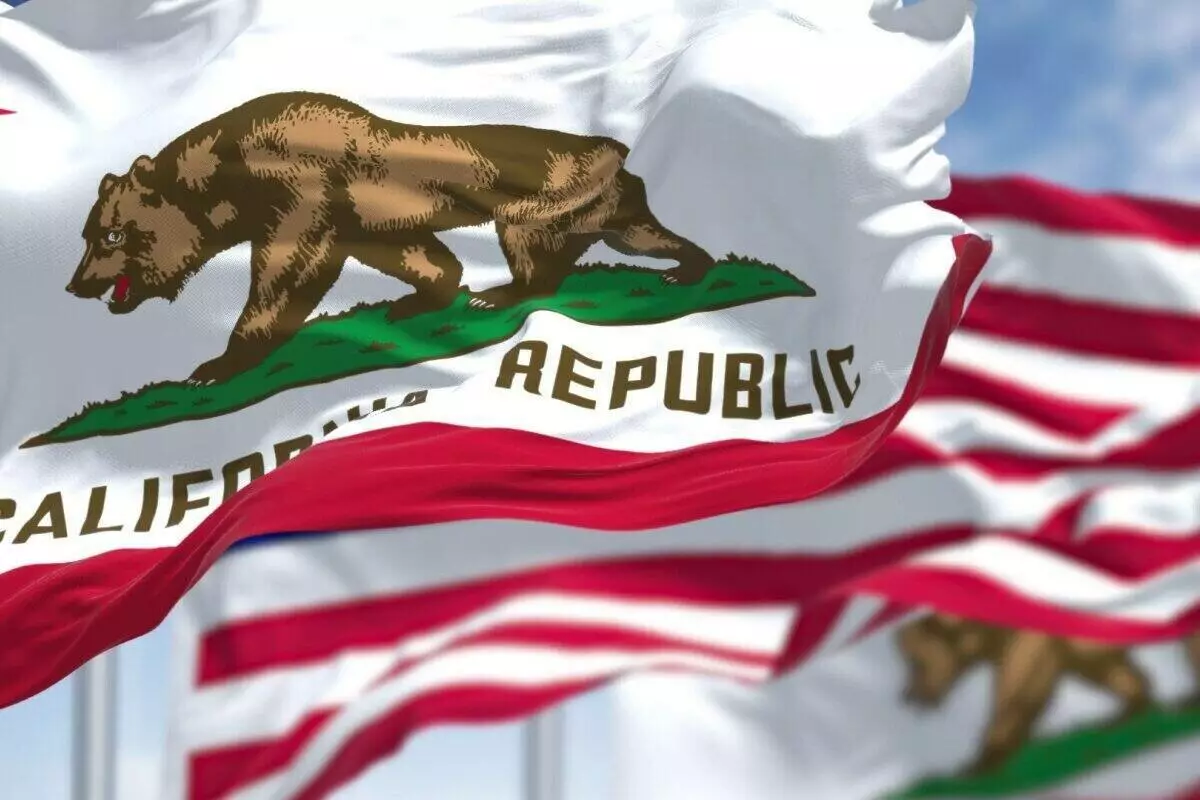
The wave of closures is closely linked to upcoming legal changes in California, particularly Assembly Bill 831, which will ban sweepstakes-style gaming in the state beginning January 1, 2026. With California estimated to account for nearly 20% of U.S. sweeps revenue, smaller operators are feeling significant pressure amid regulatory uncertainty and the loss of a major market.
In an evolving regulatory landscape, many operators are choosing a strategic alternative to shutting down — rebranding as “Social Plus” platforms. The Social Gaming Leadership Alliance (SGLA) is leading this shift by promoting the term to describe what were once sweepstakes casinos.
This new approach allows companies to reposition their offerings around entertainment and virtual engagement rather than real-money wagering. It also highlights a stronger focus on consumer protections, including age verification, data security, and responsible gaming measures.
By adopting the Social Plus model, operators can navigate regulatory pressures, maintain their user base through non-cash rewards, and keep their brands active while states continue to evaluate legislation and potential bans.
The growing wave of closures and rebrands suggests that the sweepstakes casino industry may be entering a period of rapid decline. Once seen as a creative workaround to traditional gambling regulations, the sector is now facing mounting legal challenges, shrinking markets, and increased public scrutiny.
Many operators are either shutting down entirely or shifting to alternative models like Social Plus platforms to stay afloat, a sign that the current business model is no longer sustainable under tightening regulations. With key markets such as California moving toward outright bans and consumer confidence wavering, the industry’s future appears uncertain.
What was once a booming niche in online entertainment is now struggling to adapt. Unless significant regulatory clarity emerges, the sweepstakes casino market could continue to contract at a fast pace.
The future of iGaming in the United States appears to be at a crossroads. Currently, only a handful of states have fully legalized online casino gaming, but that number could soon grow.
Lawmakers will look to capture new streams of tax revenue and regulate an already thriving underground market. The need to legalize in more states could be sped up with the decline of sweepstakes casinos. If it’s not, players could move towards offshore platforms, which don’t have the same safeguards in place.
States such as Massachusetts have proposed legislation that would authorize digital casino games while prohibiting sweepstakes-style platforms, signaling a shift toward clearer regulatory structures.
If more states move forward with legalization, the online casino market could expand rapidly over the next few years. However, this growth is likely to be uneven, with some states adopting comprehensive frameworks while others proceed cautiously amid concerns about consumer protection.. The result may be a patchwork of regulations rather than a unified national approach.