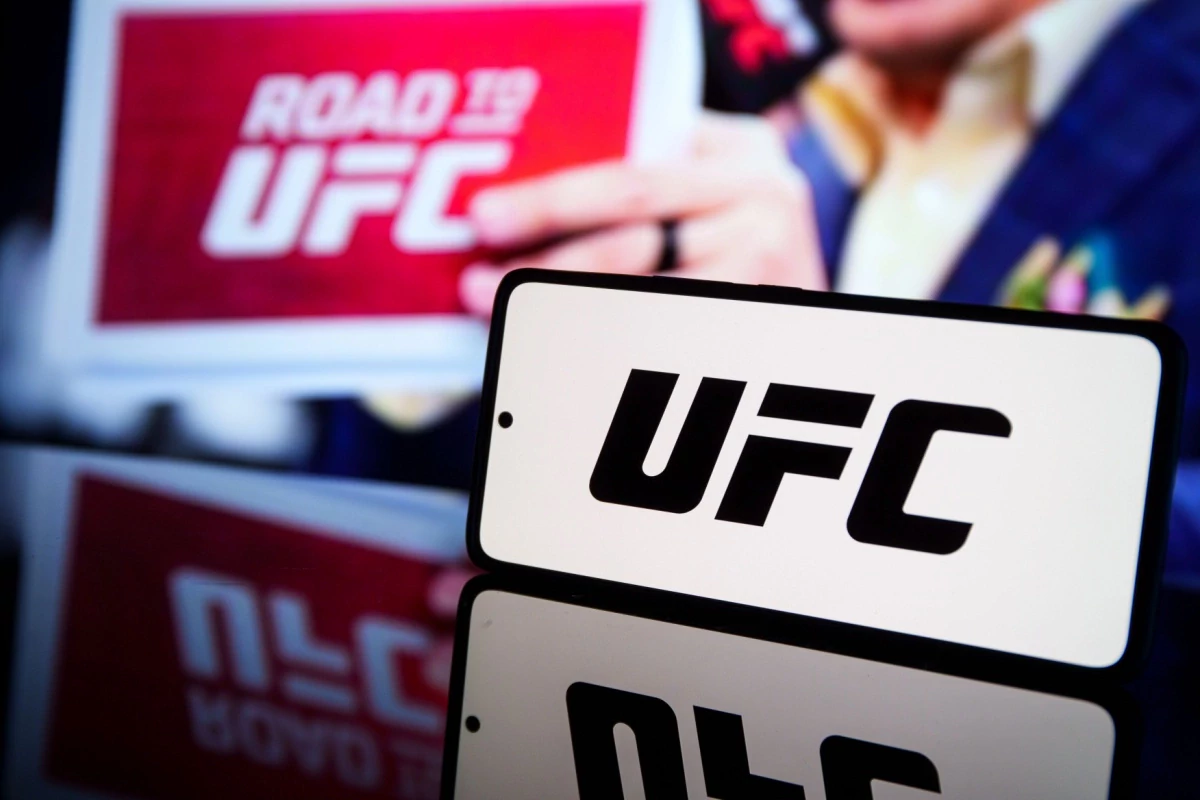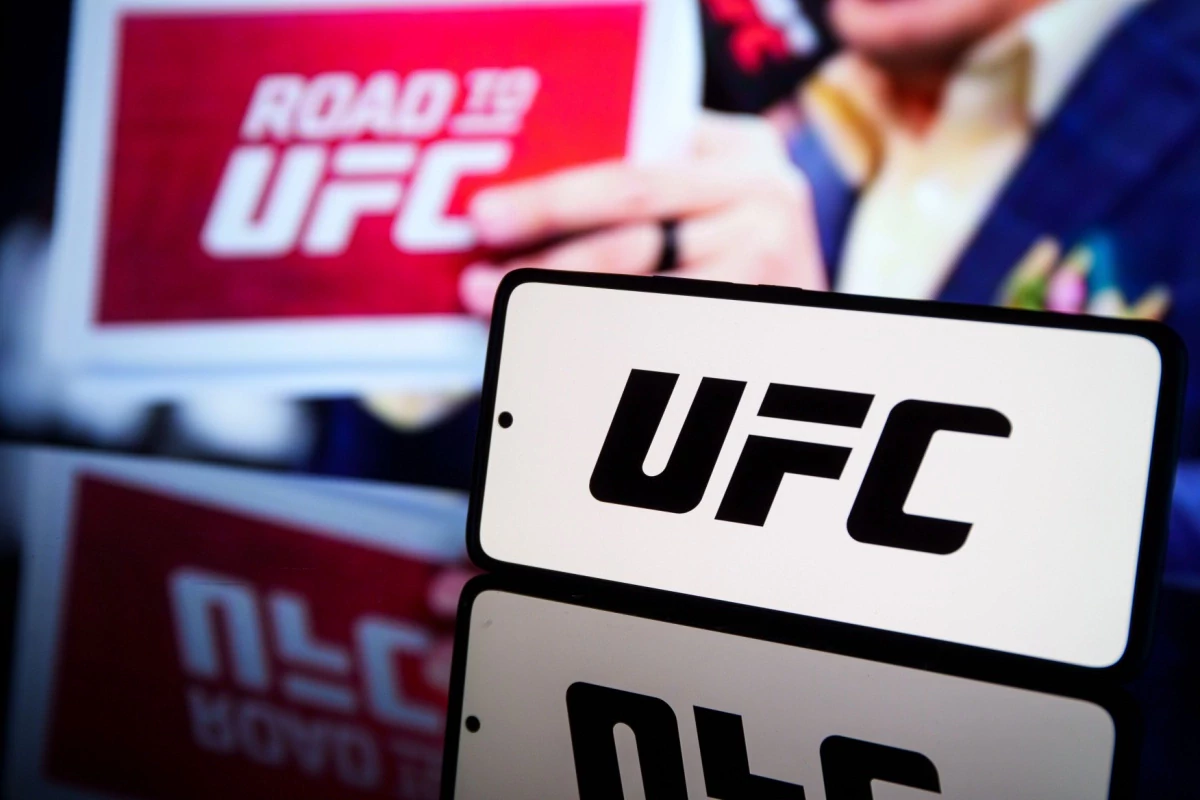
The UFC canceled the lightweight fight between Michael Johnson and Alexander Hernandez shortly before it was set to take place at UFC 324 on January 24th. This came after betting monitors flagged suspicious wagering activity on this matchup.
UFC President Dana White said the fight was canceled after irregular betting patterns raised red flags, stressing that they were unwilling to risk another integrity issue. White referenced past incidents that heightened the UFC’s sensitivity to betting activity, signaling a lower tolerance for anything that could undermine competitive trust.
One of those incidents was a 2025 bout involving Isaac Dulgarian that saw significant line movement. It remains under federal investigation. Together, those incidents have increased pressure on the UFC to act quickly when suspicious wagering is detected.
Pulling the Johnson–Hernandez fight before it took place allowed the UFC to act decisively in the face of unresolved betting concerns, rather than risk questions about the legitimacy of the outcome.
By canceling the bout outright, UFC avoided the possibility of a compromised contest and reinforced its stance that integrity takes precedence over scheduling or financial considerations.
The move also sends a clear signal to bettors, athletes, and regulators that suspicious wagering activity will be taken seriously, even if it results in last-minute disruptions.
The cancellation of this UFC 324 fight highlights the importance of independent betting integrity services in detecting irregular wagering before potential issues reach the cage.
By flagging unusual betting patterns early, these monitoring systems give leagues and regulators critical insight into activity that may indicate manipulation or inside information.
As legalized sports betting continues to expand, cases like this reinforce how real-time data tracking and cooperation between sportsbooks, integrity firms, and sports organizations are essential to maintaining trust in each competition.
By canceling the bout at UFC 324 once suspicious betting activity was identified, the UFC demonstrated a proactive approach that other leagues may look to emulate.
Acting before a contest takes place limits reputational damage and reinforces the message that integrity concerns will be addressed swiftly, even at the cost of last-minute changes.
As betting scrutiny increases across sports, the UFC’s response may serve as a model for how leagues can work with monitoring services and regulators to prioritize transparency and competitive trust.