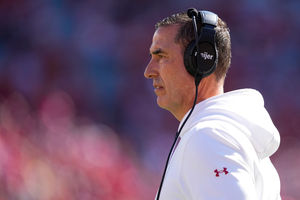
UFC president Dana White personally wrote a letter to President Donald Trump in an effort to reverse a provision from the One Beautiful Bill Act, which puts an unfair burden on sports bettors.
The provision in question puts a 90% limit on gambling loss deductions. This means that some bettors could owe taxes even if they broke even or lost money overall.
In the letter, White states, “The current law makes it irrational to bet in the United States because you could end up owing taxes even when you lose or having a tax bill that exceeds your winnings for the year.”
White correctly points out how this provision discourages bettors from wagering in U.S. regulated betting markets.
In the letter, White goes on to say, “The UFC supports a healthy, legal sports betting market to drive fan engagement, broadcast value, and sponsorships. When legal betting is discouraged, it hurts the ecosystem we’ve spent years building in partnership with state regulators and licensed operators.”
The key point here is “hurts the ecosystem.” If bettors are taxed even when they break even or lose money, this creates an unfavorable ecosystem for them. This could influence them to start wagering at offshore betting sites instead of regulated sportsbooks.
This is problematic because it takes away potential tax revenue for each state where online sports betting is legal. On top of that, it puts players at risk.
Offshore sportsbooks don’t have the same consumer safeguards in place. They aren’t required to meet compliance standards when it comes to data security or responsible gaming.
To this end, having a prominent figure like White write this letter to President Trump could be helpful.
White’s letter could at least help bring more attention to the issue to President Trump. White and President Trump have maintained a strong public relationship for years, dating back to the early days of the UFC when Trump hosted events at his venues. More recently, White has remained one of Trump’s most visible supporters, appearing at campaign events and speaking positively about him in interviews.
That doesn’t necessarily mean the provision will be reversed because of this letter alone. Tax policy changes still require political support in Congress. There are also lawmakers who view the deduction cap as a revenue-generating measure rather than a flaw in the system.
Still, having someone with White’s profile publicly oppose the provision certainly can’t hurt the effort.
White’s argument aligns with concerns already raised across the gambling industry. Operators, bettors, and gaming advocates have warned that taxing players on theoretical income rather than actual profit could unintentionally drive consumers toward offshore sportsbooks that do not follow U.S. regulations.
If nothing else, White’s involvement increases the visibility of the issue and could help generate additional pressure for lawmakers to revisit the provision.