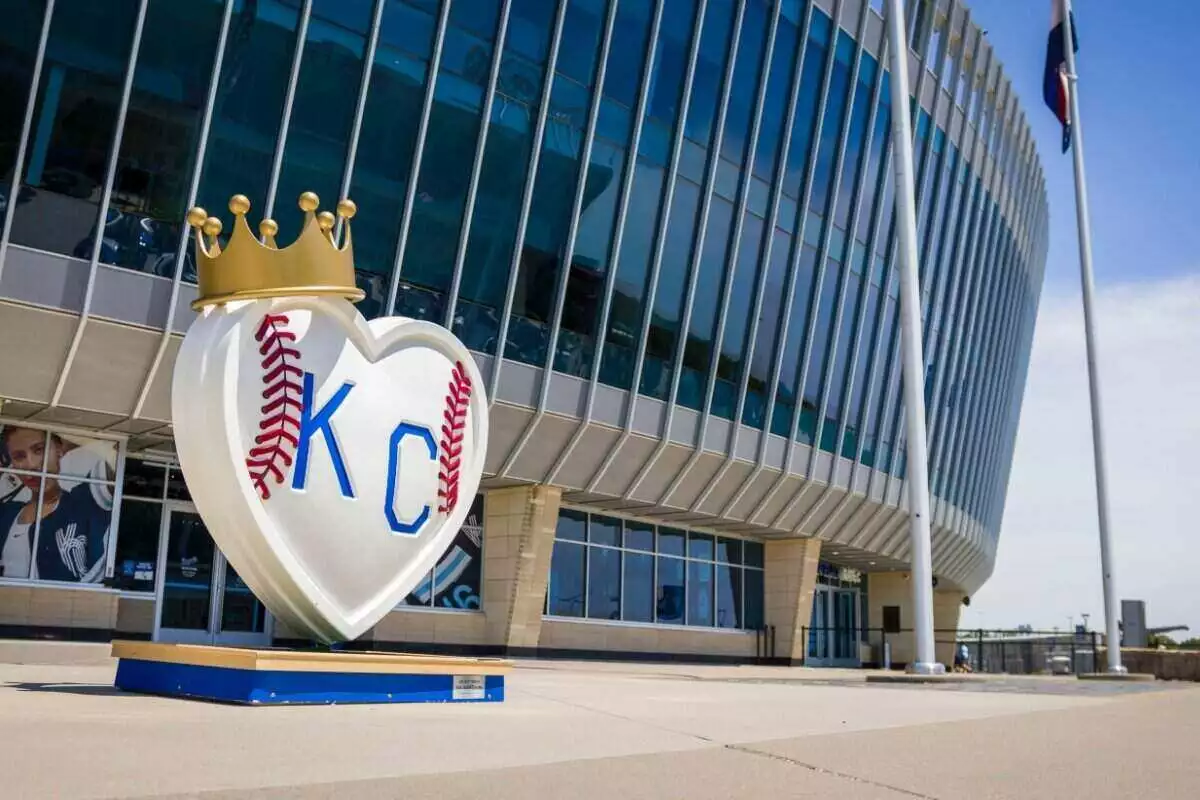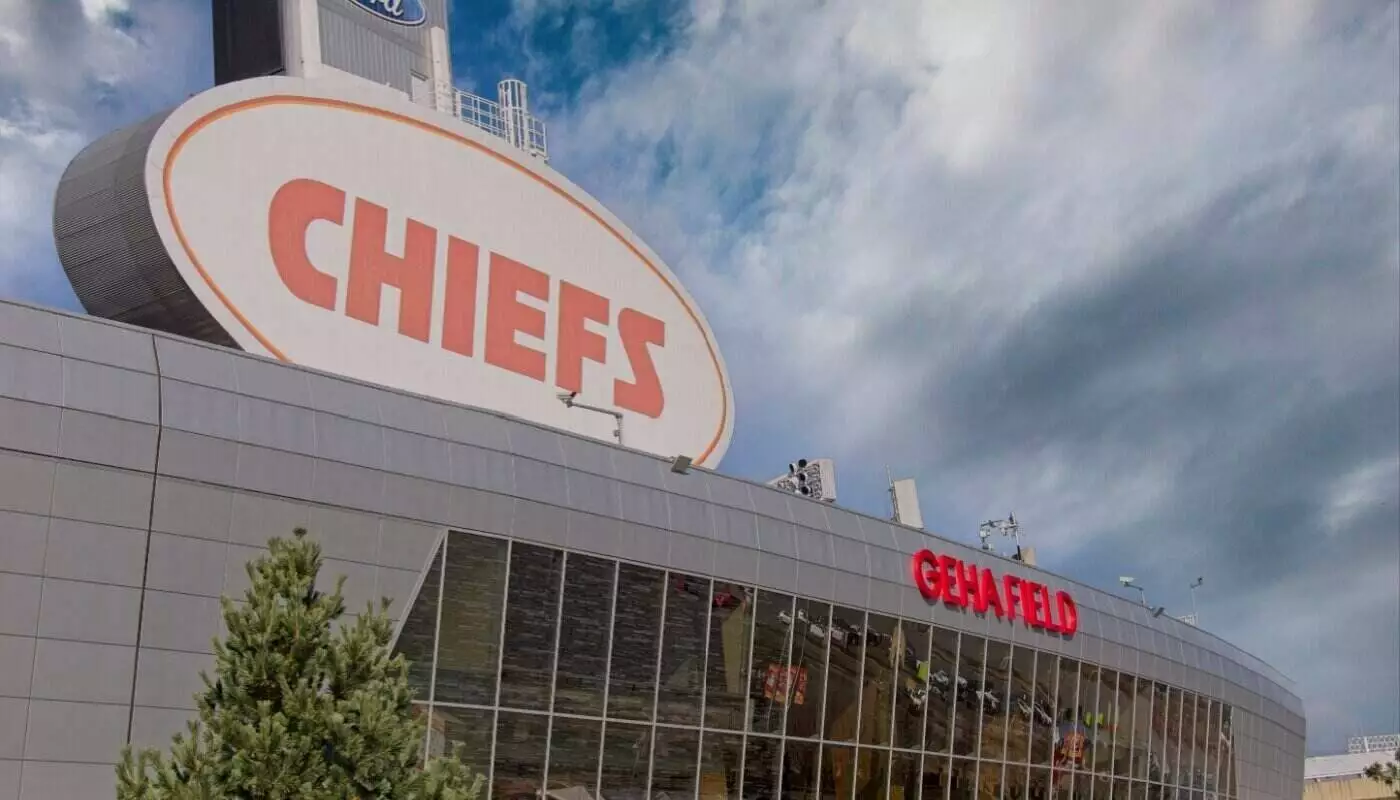
Underdog has withdrawn its application to operate a sportsbook in Missouri, removing the company from the lineup of operators preparing for the state’s December 1, 2025 sports-betting launch. The decision ends Underdog’s planned entry into Missouri’s regulated market and halts its previously announced partnership with the Kansas City Royals. State regulators confirmed the withdrawal this week, noting that the company will not participate in Missouri’s opening wave of licensed sportsbooks.
Underdog stepped back from the licensing process in Missouri as the company reevaluated its broader business priorities ahead of the state’s sports-betting launch. Missouri would have been Underdog’s second fully regulated sportsbook market, alongside North Carolina. The move indicates a strategic decision to concentrate resources elsewhere rather than expand into a new, highly regulated environment. This also signals that Underdog’s experience in the North Carolina market potentially deterred them from going through with operations at Missouri launch.
Underdog’s withdrawal also suggests the company is prioritizing operational focus and cost structure, choosing not to take on the regulatory requirements, compliance obligations, and tax framework associated with a full sportsbook launch. By exiting before Missouri’s December rollout, the company avoids stretching its footprint at a time when larger, established operators already dominate early market share in new states.
When legal sports betting goes live in Missouri on December 1, Underdog will not be part of the operator lineup. Its withdrawal leaves the opening-day market to the sportsbooks that have maintained their licenses, including DraftKings, FanDuel, bet365, Caesars Sportsbook, BetMGM, theScore Bet, Circa Sports, and Fanatics Sportsbook. These operators will form the core of Missouri’s initial regulated betting ecosystem.
Despite Underdog’s exit, Missouri remains a user-friendly market with several operators available.
Underdog’s absence also highlights how competitive and demanding new state markets can be. Even well-known brands may reconsider participation based on regulatory obligations, tax structures, and long-term operational strategy. As the state’s market launches, this dynamic could influence how aggressively operators compete, and which companies decide to enter Missouri in future waves.
Underdog’s withdrawal does not necessarily close the door on a future entry into Missouri. Operators often reassess markets after launch, especially once regulatory processes stabilize and early revenue figures clarify long-term potential. If Missouri’s market proves strong and competitive conditions shift, Underdog could revisit its decision in later licensing cycles.
For Missouri, the departure serves as an early example of how operator participation may ebb and flow as the industry matures. The state’s regulatory framework, tax structure, and market performance will all play a role in attracting or deterring additional brands. As the market evolves, Missouri could see new applicants emerge and established operators expand their partnerships.