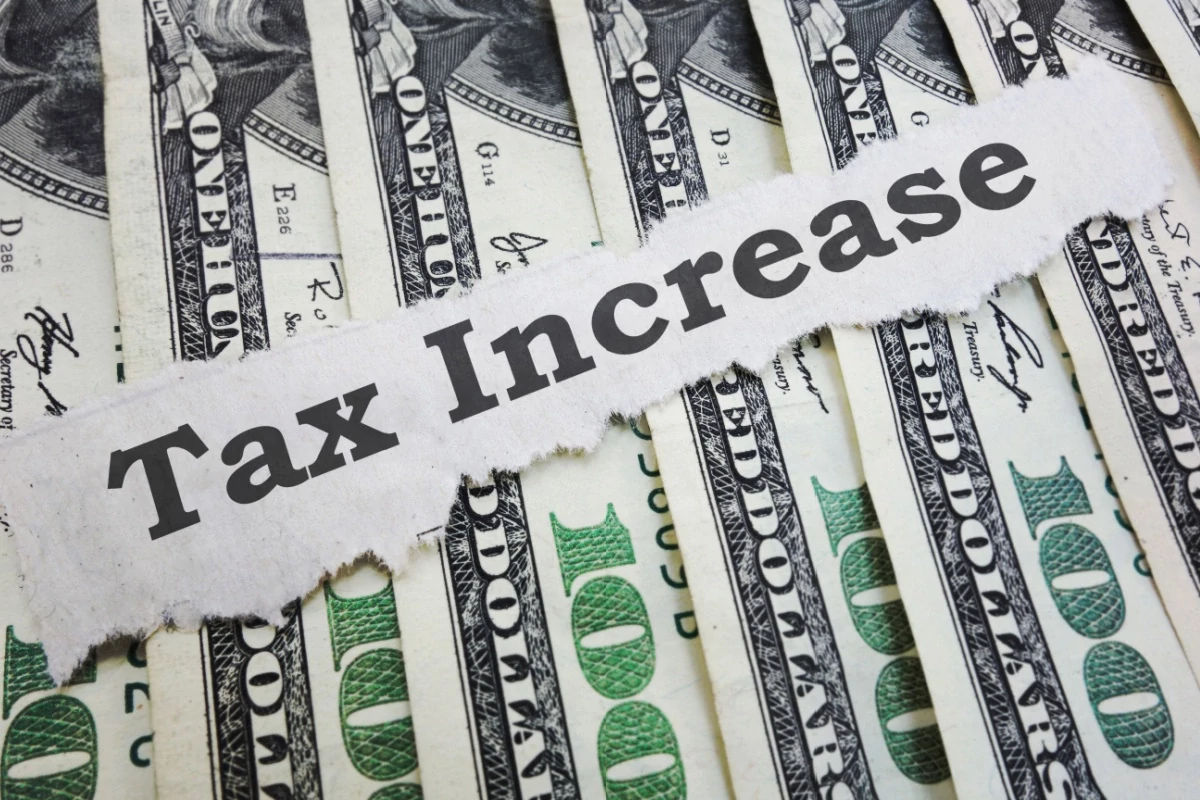
Several states want to increase taxes on sports betting to help with budget problems. North Carolina, Maryland, Louisiana, Ohio, and New Jersey are working on bills to raise tax rates. The extra tax revenue would pay for schools, roads, and other public needs.
However, betting companies say higher taxes could mean less profit and fewer deals for customers. This conflict is sparking talk about legalizing online casinos to make up for possible revenue drops. Here’s a rundown of the latest movement across the iGaming tax industry.
North Carolina’s Senate Bill 257 wants to double the sports betting tax from 18% to 36%, starting October 1, 2025. The bill, part of a $65 billion budget, passed the Senate and awaits House approval. The money would help the University of North Carolina and youth programs.
Since March 2024, betting companies like FanDuel have paid $143.7 million in taxes from $799 million in revenue. Companies worry the tax hike could lead to worse betting odds and push customers to illegal sites. Considering North Carolina launched legal sports betting in June 2023, raising the tax by double only two years after going live could bring dramatic scrutiny from players.
Maryland passed House Bill 352 in May 2025, raising the mobile sports betting tax from 15% to 20%. Governor Wes Moore wanted a 30% tax to fix a $3 billion budget gap, but agreed to 20%.
The extra money goes mostly to schools, with some to the state’s general fund. Maryland has collected over $160 million for education since sports betting started in 2021. Maryland sports betting continued to grow year-over-year in Q1 of 2025, with a 13.6% increase in January 2025 compared to 2024, so operators within the state have been critical of Gov. Moore’s more aggressive plan.
Louisiana’s House Bill 639, passed by the House in May 2025, plans to raise the online sports betting tax from 15% to 21.5%. It lowered an earlier 32.5% plan after companies complained. The money would help public university sports programs.
The bill needs Senate approval and depends on another bill about insurance taxes. Louisiana’s betting market is performing better in the first half of 2025 than it did a year ago, and the state wants to balance its needs with keeping the market strong.
Ohio’s Governor Mike DeWine suggested doubling the sports betting tax from 20% to a 40% rate for the 2026-2027 budget to fund stadiums and youth sports. Lawmakers rejected it in April 2025.
A separate bill, Senate Bill 199, proposes a 2% tax on all bets plus the current 20% tax. Ohio raised its tax from 10% to 20% in 2023, soon after legalizing sports betting. Lawmakers are cautious about adding more taxes since the revenue growth from year-over-year hasn’t been as promising as anticipated.
New Jersey’s Governor Phil Murphy proposed a 25% tax on sports betting and online casinos, up from 13%, in the 2026 budget. The $58.1 billion plan, introduced in February 2025, faces pushback from betting companies and some lawmakers.
The tax aims to meet state needs, but could hurt an industry that has created jobs and revenue since 2018. New Jersey is one of the most successful legal betting states in the country, if not the most reliable and player-friendly. The budget must be finalized by June 30, 2025.
With final decisions on state tax hikes on sports betting still pending, companies are considering alternative forms of revenue. One is the legalization of online casinos.
However, some states have already been met with resistance, such as Maryland and Ohio, who tried, but failed to legalize online casinos in 2024.
Only seven states have legal online casinos as of June 2025.