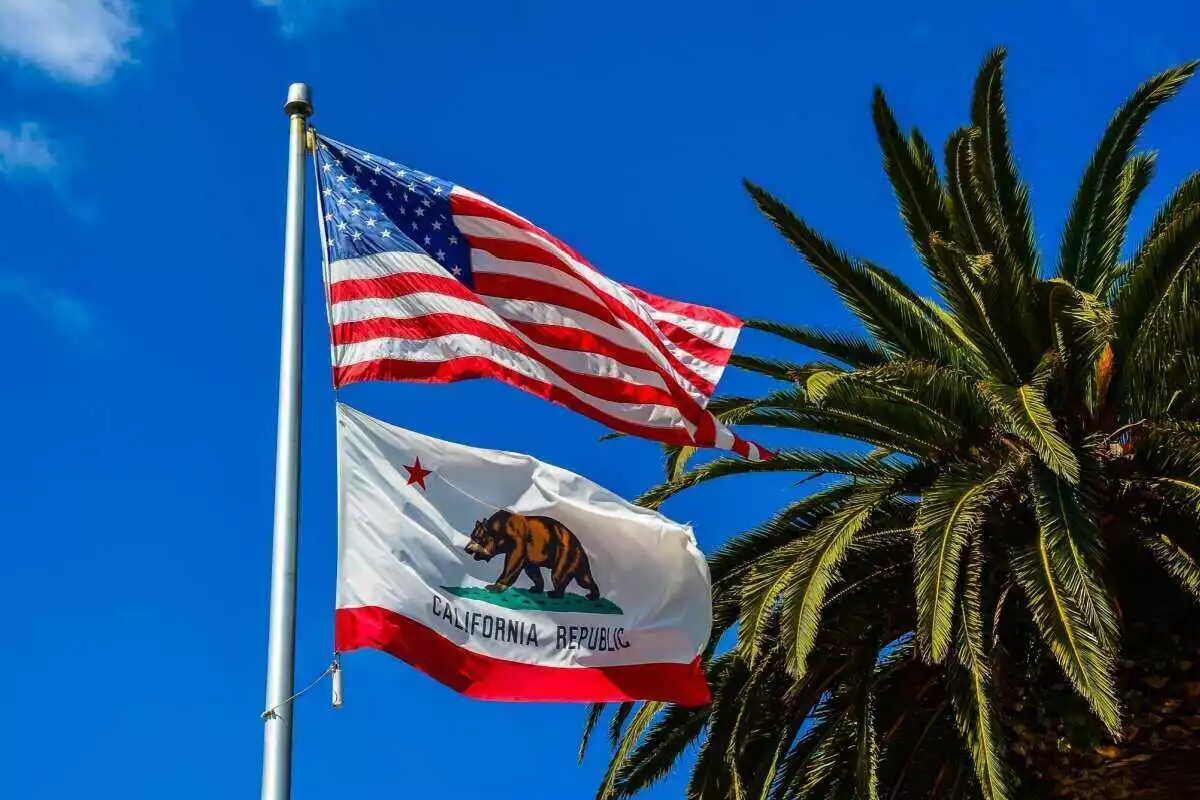
Popular sweepstakes operator VGW, which owns platforms like Chumba Casino, Global Poker, and LuckyLand Slots, was served a nationwide class action lawsuit in California. The suit accuses VGW of running an illegal gambling operation.
The lawsuit states that VGW depends on California partners for revenue, marketing, geolocation, and banking, which is why it focuses on this jurisdiction. It argues that without California, VGW could not function at the same level.
VGW has the following California-based partners, who provide these services:
Plaintiffs will also serve VGW users from several states, including Georgia, Illinois, Kentucky, Massachusetts, Mississippi, Missouri, New Jersey, New Mexico, Ohio, South Carolina, Tennessee, Wisconsin, and Washington D.C.
What makes this lawsuit especially significant is its scope: it doesn’t just target VGW, but also the companies and personalities that enable its business model.
By naming payment processors Trustly and Yodlee, identity verification firm Jumio, and influencer Brian Christopher as co-defendants, the case signals that vendors and promoters may face real legal exposure for supporting sweepstakes casinos.
This could cause a ripple effect that may reshape industry partnerships, as payment providers, KYC firms, and affiliates weigh whether the legal risks of working with sweepstakes operators outweigh the rewards.
The platforms mentioned in the suit are common partners for sweepstakes operators, not just VGW itself. Jumio is prominent for KYC protocol throughout the iGaming industry, with other major sweepstakes sites like McLuck using it for security.
Most of the top sweepstakes operators also use Trustly for convenient payments, including WOW Vegas, Hello Millions, and Crown Coins.
While social media influencers don’t often represent multiple sweeps companies, they can be a major part of sweepstakes marketing, most notably with Stake.us being affiliated with celebrity Drake.
If VGW loses or settles this class action lawsuit, there’s a chance that it would force its other sweepstakes casinos like Chumba Casino, Global Poker, and LuckyLand Slots to cease operations within California. It could also affect other sweepstakes operators, especially those relying on vendors and influencers based within the state, which is a common thing throughout the industry, as noted above.
On top of that, since this suit serves players in several other states, it could affect VGW’s legal standing in those locations as well.
This California class action suit against VGW comes at a critical time in which sweepstakes casinos have been facing legal battles across the country. For instance, recently in a neighboring state, sweeps operator Thrillz was served a cease-and-desist in Arizona, forcing them to immediately leave the state.
The suit may result in yet another push in this industry towards increased regulation or even outright bans, as seen in Connecticut and Montana.