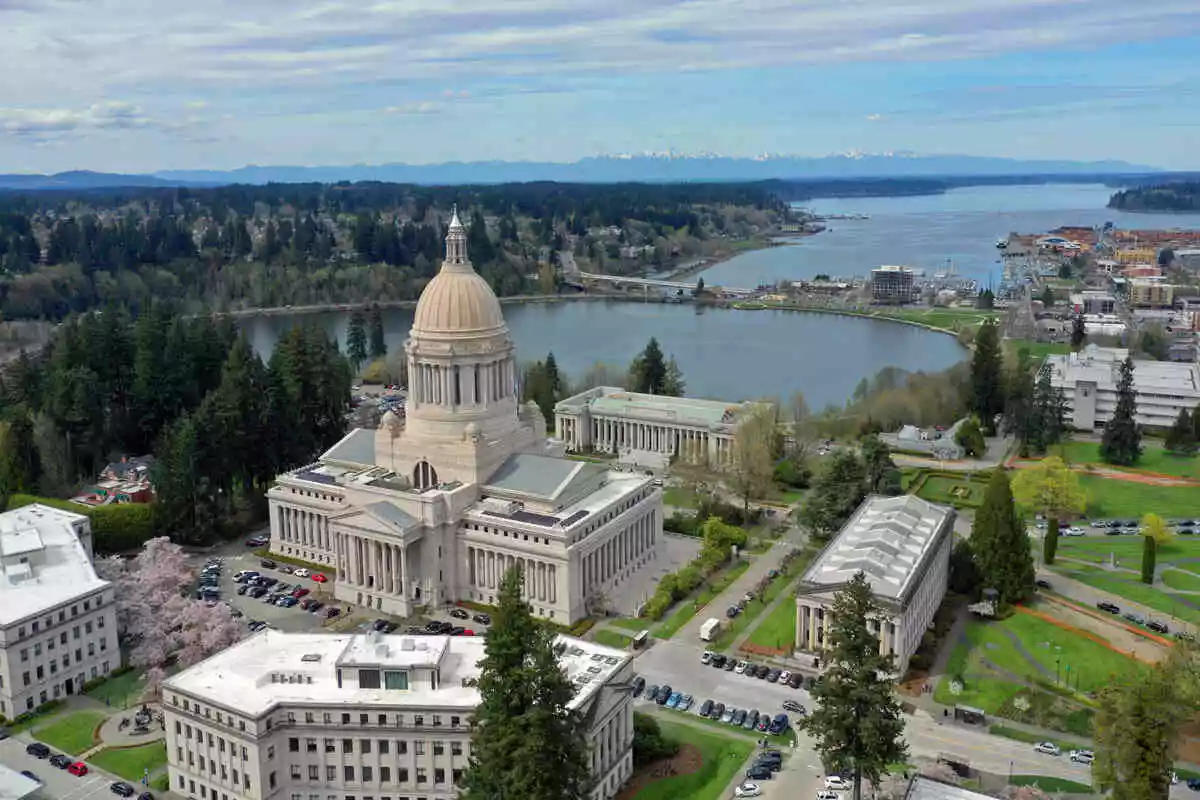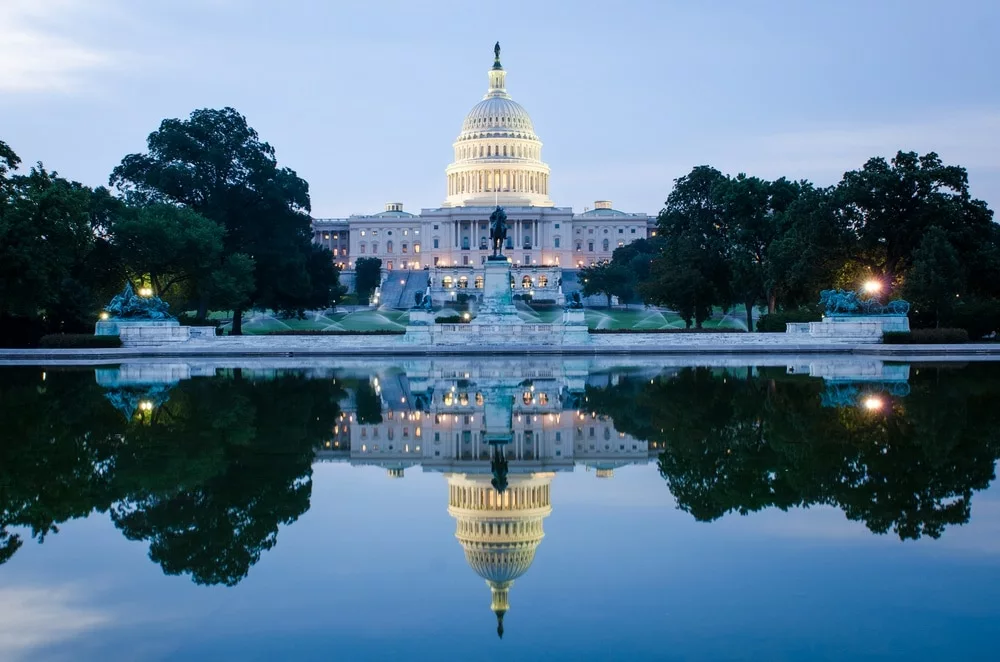
The long‑standing prohibition on wagering involving Washington’s own college programs may soon change following a decisive 41–8 vote in the state Senate. The measure, Senate Bill 6137, would permit bets on in‑state college teams as long as those wagers occur in person at tribal casinos. The Senate’s action sends the bill to the House for further consideration.
For years, Washington residents could bet on college sports generally but were restricted from wagering on schools based within the state. That limitation excluded programs such as the University of Washington, Washington State University and Gonzaga University from legal sports betting markets. The new proposal aims to remove that exception while maintaining the state’s existing model of tribal‑only retail sports wagering.
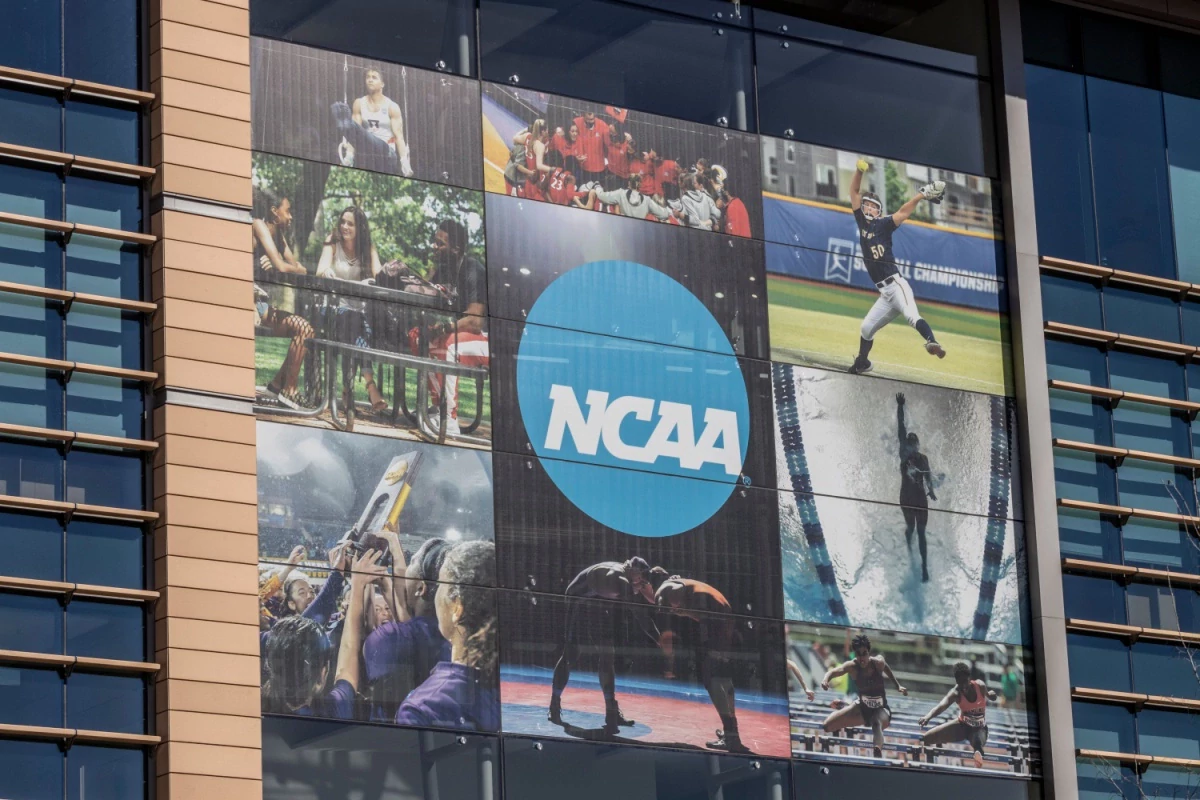
Senate Bill 6137 maintains a strict ban on wagers involving the performance of individual student‑athletes from Washington schools. Lawmakers emphasized that the goal is to avoid fueling harassment or targeted pressure on players, which has become a growing concern nationally. NCAA data cited in related testimony shows increased incidents of abuse tied to sports betting, especially when wagers emphasize individual player performance.
The bill, therefore, allows bets on results such as game winners or point spreads but prohibits in‑game prop bets and any bet tied to a single athlete’s statistics. These limits mirror existing restrictions designed to protect the integrity of college athletics and reduce risks to student‑athletes.
Supporters argue that the long‑standing ban has pushed many Washington bettors toward offshore or unregulated platforms. Legislators backing the proposal say that activity is already happening out of public view and without regulatory safeguards. They view the bill as a way to move this activity into a monitored environment within tribal gaming facilities, where oversight spans tribal, state and federal levels.citeturn1search1
Tribal leaders and casino operators echoed these points, noting that allowing in‑state college betting could help maintain competitiveness, particularly for smaller or rural tribes that rely heavily on gaming revenue. By keeping wagering within the regulated system, supporters argue the state can better protect consumers and ensure integrity standards are met.
Washington State University officials voiced strong reservations, citing NCAA survey findings showing high levels of harassment toward student‑athletes. They argue that even team‑only betting could increase scrutiny and online abuse directed at players. Representatives emphasized that student‑athletes remain highly accessible to the public, which heightens the risks associated with any expansion of sports betting.
The University of Washington, while not explicitly opposing the bill, underscored the importance of existing safeguards. The school pointed to mandatory wagering‑related education, mental‑health support and conference‑level monitoring tools that flag suspicious betting patterns. These measures aim to reduce the likelihood of gambling‑related misconduct.
The House is expected to review the legislation next, with hearings already scheduled. If passed, the law would take effect 90 days after the legislative session ends in mid‑March—meaning it would not be in place for this year’s NCAA basketball tournament. Tribal casinos would then be able to offer wagers on Washington‑based college teams under the revised rules.
Overall, the proposal represents a significant shift in Washington’s sports betting framework. While it expands permissible wagering options, lawmakers have retained boundaries meant to address concerns around athlete safety and market integrity. As the measure advances, the debate continues over how best to balance consumer demand, regulatory oversight and student‑athlete protection.