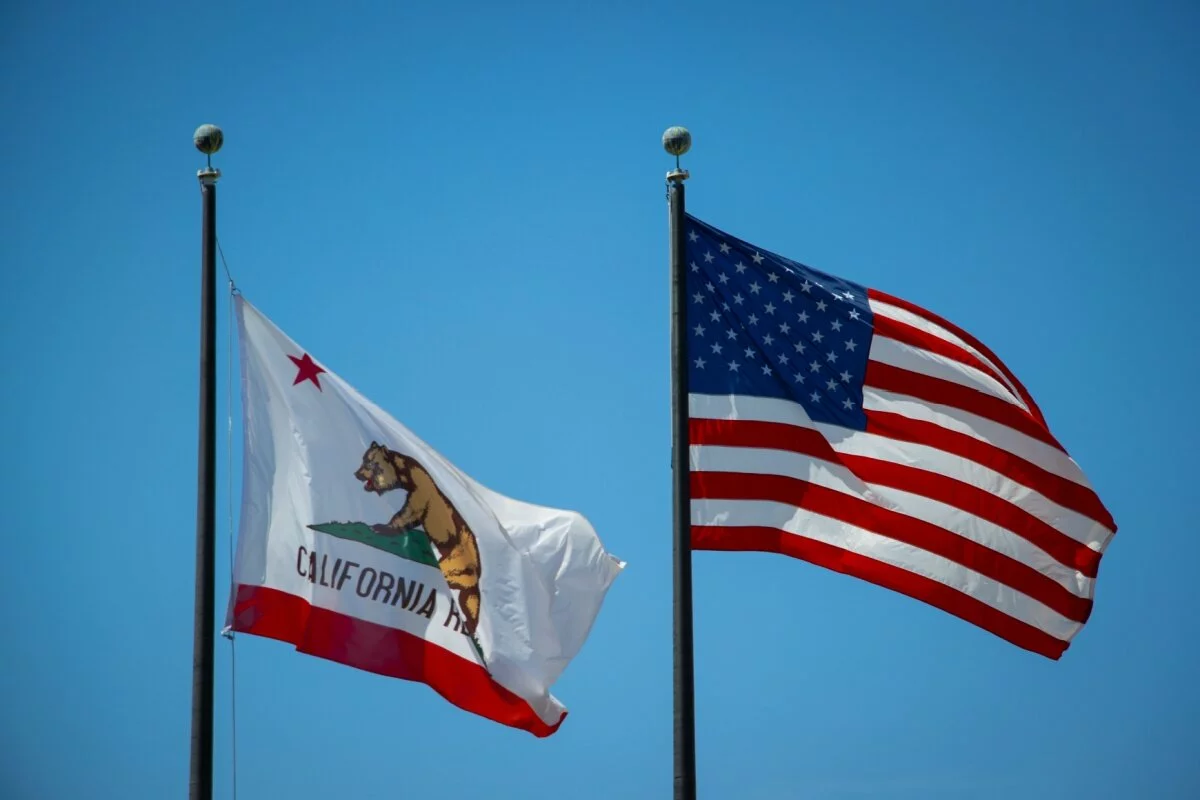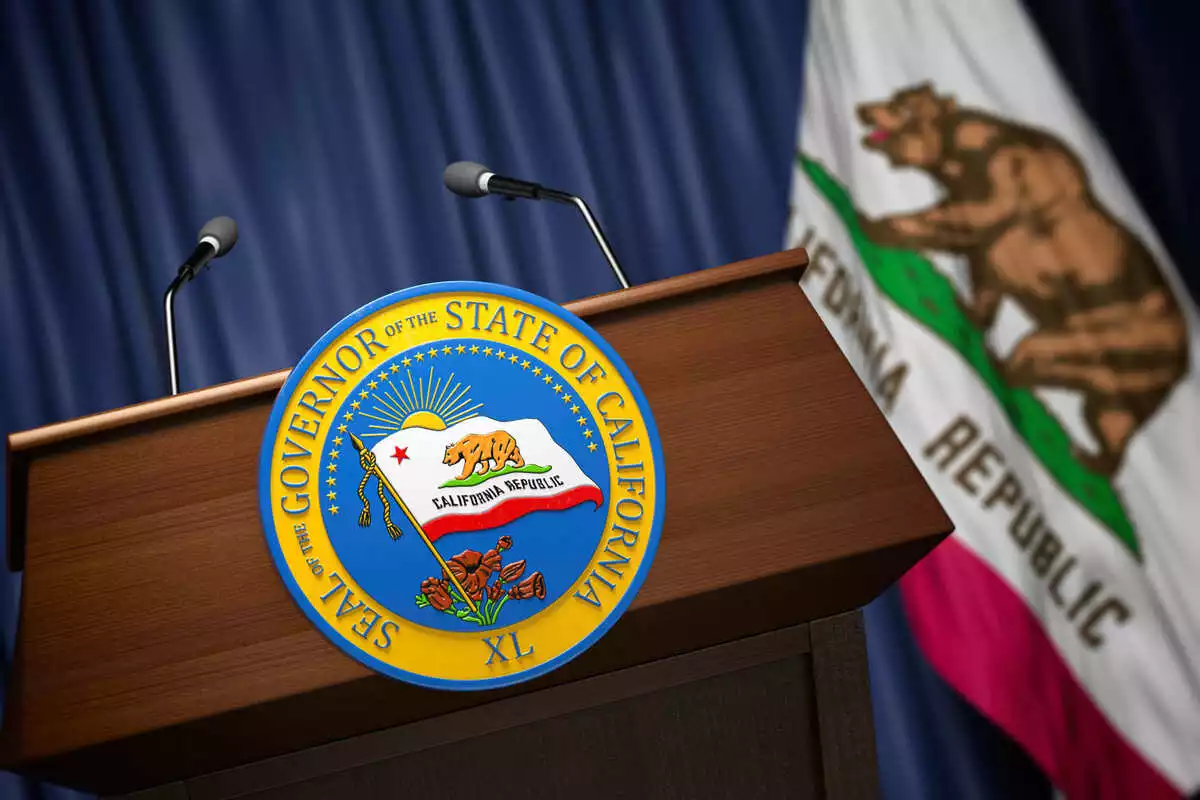
California’s long-running debate over sports betting legalization is once again at an impasse, as tribal gaming leaders and commercial sportsbook operators clash over the path forward. A “YES Pledge” campaign introduced by the Sports Betting Alliance (SBA) has drawn public rejection from the California Nations Indian Gaming Association (CNIGA). This underscores persistent tensions that continue to complicate prospects for a unified ballot measure in the nation’s largest gaming market.
The SBA is a group representing major commercial sportsbook operators. The “YES Pledge” campaign seeks to rally support for a future ballot measure to legalize mobile and online sports betting in California. The pledge emphasized principles such as protecting consumers, promoting responsible gaming, and ensuring collaboration with tribal governments in any legalization framework.
Backers of the pledge presented it as a show of unity and a way to demonstrate readiness for regulated sports betting in the state. Support for the “YES Pledge” has come from both tribal voices and commercial stakeholders aligned with the Sports Betting Alliance (SBA).
Former Agua Caliente Band of Cahuilla Indians Chairman Jeff Grubbe described the pledge as being shaped and advanced by tribal leaders, with operators informed but not directly involved in drafting it. On the commercial side, major sportsbook operators, including FanDuel, DraftKings, BetMGM, and Fanatics, who make up the SBA coalition, have expressed backing for the effort.
The “YES Pledge” has faced immediate criticism, most notably from CNIGA, which represents more than 50 federally recognized tribes, including the Pechanga Band of Indians and San Manuel Band of Mission Indians.
CNIGA Chairman James Siva issued a statement distancing the organization from the campaign, clarifying that the pledge was not tribal-led and warning that its circulation could mislead policymakers, tribes, and the public. Siva described the effort as a “corporate-driven maneuver,” underscoring tribal concerns about commercial operators framing themselves as partners without tribal consent.
Many tribal representatives view the pledge as a continuation of commercial operators’ attempts to gain a foothold in California gaming, despite the decisive defeat of a sportsbook-backed ballot initiative in 2022. Beyond CNIGA, other tribal leaders have previously expressed hesitation towards regulation over the years.
It’s worth pointing out that California’s tribal landscape is fragmented, with more than 100 tribes each operating under distinct circumstances. This makes it difficult for a single proposal like “YES Pledge” to capture the diversity of tribal perspectives or substitute for the sovereignty of individual nations. This is why regulated sports betting in California has faced major hurdles.
For California players, the ongoing standoff between tribal leaders and commercial sportsbooks means that legal online sports betting remains out of reach for the foreseeable future. Californians are left waiting as competing interests debate control, revenue sharing, and sovereignty.
In the meantime, many players turn to daily fantasy sports or offshore betting platforms to fill the gap. However, offshore sites operate outside U.S. regulatory frameworks, raising concerns about player protections, fair play, and data security. Without a legal, state-regulated option, Californians lack the consumer safeguards. The state has also pushed back against DFS operators in recent months, so that option could be removed in the near future.
The uncertainty also leaves players in limbo when it comes to future opportunities. Even if a new ballot measure emerges in 2026 or 2028, the outcome is far from certain. For now, Californians remain spectators in the nationwide sports betting boom.