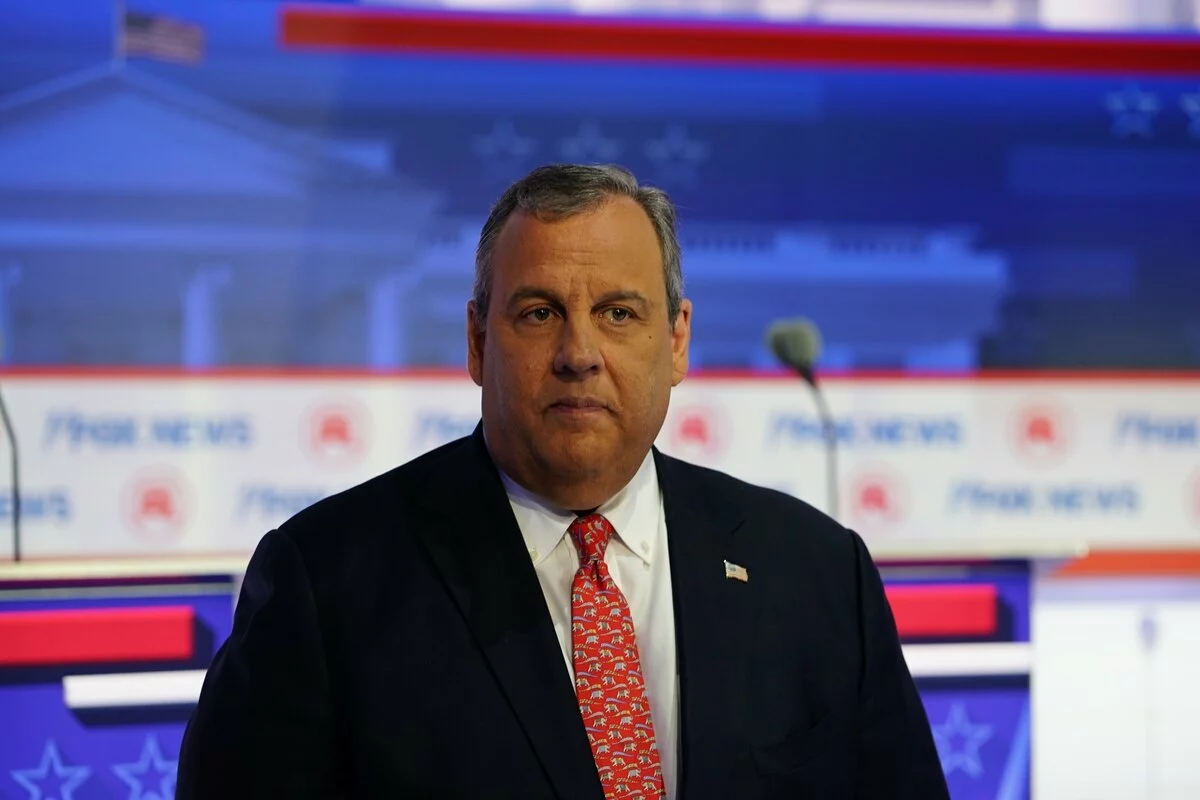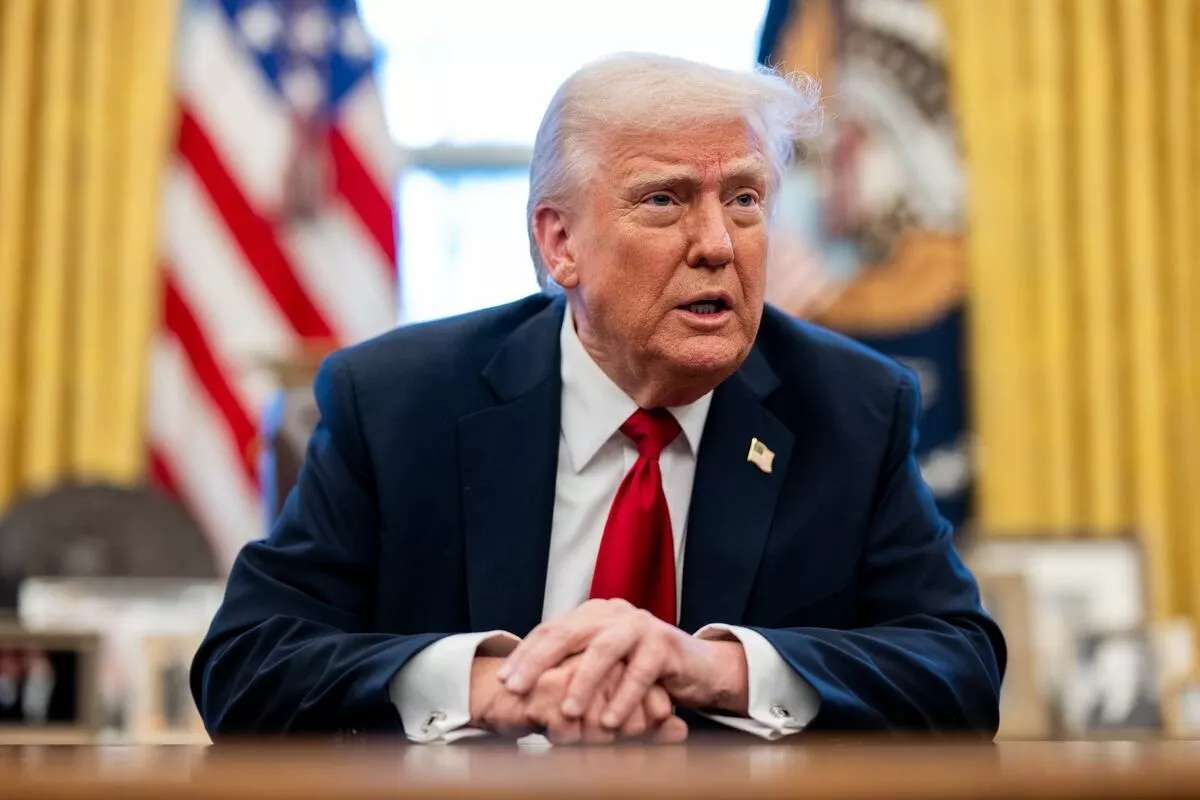
CFTC Chairman Mike Selig has embarked on an extended “media day” this week, taking to the airwaves in an effort to explain how prediction market event contracts differ from traditional sports bets offered by casinos and bookmakers. Selig’s interview segments have become public as statewide jurisdictions send mixed signals on the current legal status of prediction exchanges such as Kalshi and Novig.
In an interview segment uploaded to X on Tuesday, Chairman Selig told Blaze Media founder Glenn Beck that “prediction markets on politics, sports, and other things have been around for a long time.” The former defense attorney subsequently explained, “The distinction between a prediction market, which offers what are called ‘event contracts’—so that’s a type of financial instrument—and gambling, which is done in a casino… is the product.”
The CFTC chairman went on to inform Beck’s audience that “when you create a financial instrument, it has certain rights that you have by owning that contract and it trades in a financial market. So there’s a really high bar to be able to trade and offer that product. There is investment protection.” Selig then stated that customers aren’t afforded the same benefits when they participate in casino wagering or sports betting “entertainment” against the house.
Early Wednesday morning, Chairman Selig joined Maria Bartiromo on Fox Business to further explain why it’s so vital for the federal agency to retain its exclusive jurisdiction over prediction markets. A few moments after the host herself categorized prediction market event contracts related to sports as “sports bets,” Selig offered that sports contracts may ultimately take a back seat to other markets in terms of trading volume.
“If you look at crypto, for example, the use cases for crypto were very narrow in the beginning, but then we saw this explosion of all different types of products and services that run on blockchains. I think we’ll see the exact same thing with prediction markets. That’s why it’s absolutely critical that we maintain our jurisdiction there.”
Small businesses seem to be catching on to ways that prediction market trades can be used as hedging tools to attract customers. On Monday, a San Francisco Bay Area bar ran a $500 cumulative promotion that promised a $100 discount for the five largest tabs if the USMNT defeated Belgium in their World Cup Round of 16 match (the United States lost 4-1), according to the X post.
A separate promotion, sponsored by The Blue Light bar in the Marina, offered a $100 rebate to 10 customers who opened a tab before the 5:00pm local time kickoff if the USA won its match. The bar reportedly provided those 10 patrons with a $50 consolation discount despite the result.
These types of hedged sports-based marketing campaigns are nothing new. They became a part of Houston’s popular culture in 2014, when James Franklin “Mattress Mack” McIngvale started using high-dollar sports bets, combined with the potential to obtain free mattresses, to attract shoppers to his Gallery Furniture store and “SAVE YOU MONEEEEEY!”
While institutional traders will likely drive the bulk of prediction market hedging, small businesses could very well own the higher-profile (and certainly more comical) hedges for the foreseeable future.
Loading …