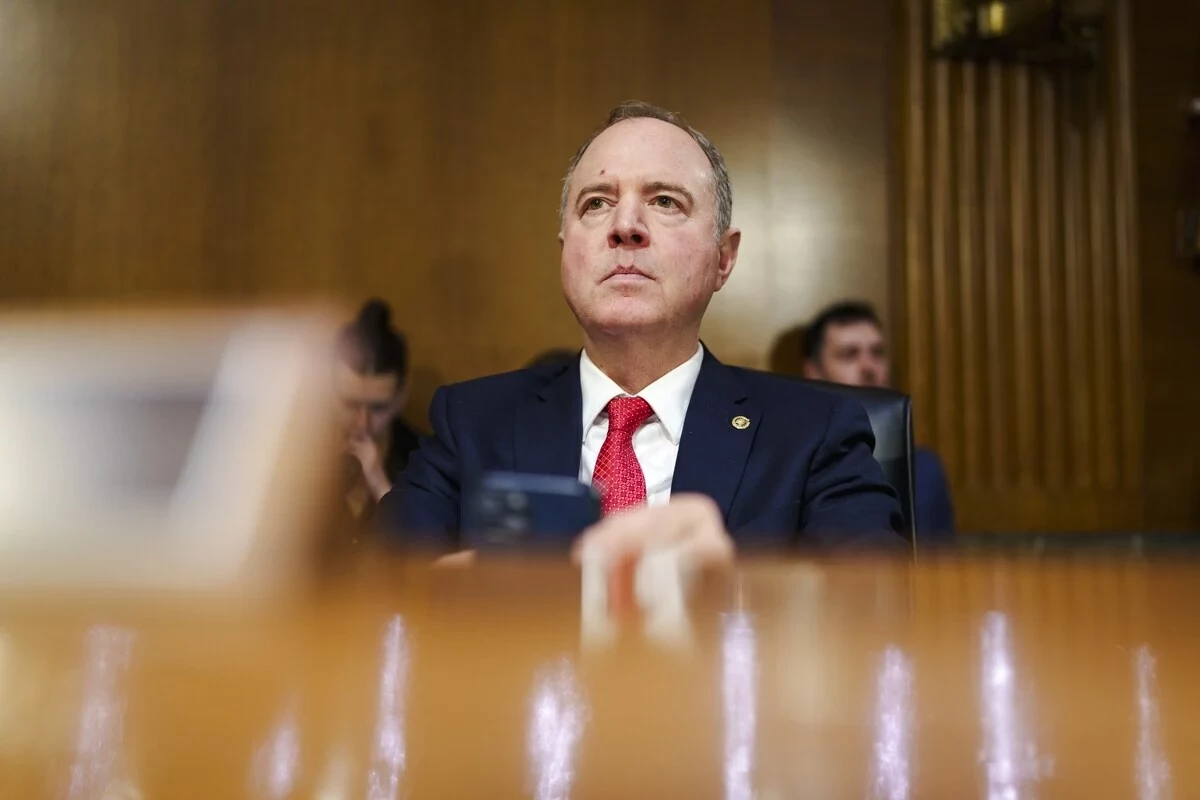
On Thursday afternoon, the CFTC Innovation Advisory Committee held its inaugural meeting in Washington, D.C. The IAC includes key executives from Robinhood, the CME, Polymarket, Kalshi, Coinbase, DraftKings, and other companies that have a unique interest in the regulation of prediction exchanges.
WATCH: CFTC IAC Inaugural Meeting (August 20th, 2026 – Timestamp 2:35:20)
Although there was a brief, pointed exchange between CME Group CEO Terry Duffy and Kalshi COO Luana Lopes Lara, attention eventually shifted toward “mention markets” and “appearance markets,” which multiple IAC members identified as being uniquely susceptible to manipulation by one person.
At timestamp 3:07:45 of the CFTC-uploaded YouTube video, Robinhood CEO Vlad Tenev opens his segment by saying, “I have mixed feelings about mention markets. So, on the one hand, I agree that they can be very fun. On the other hand, certain mention markets I think are very prone to manipulation… it doesn’t feel like we have the right line in how we think about things like mention markets.”
Coinbase CEO Brian Armstrong suggested that the CFTC should devise a three-point plan to determine whether individual prediction market self-certification submissions would be allowed to become active after a ten-business-day review process. DRW trading firm CEO Don Wilson expanded on Armstrong’s suggestions by identifying one recent “mention” market that resulted in a public uproar that ended with Kalshi working to reimburse impacted traders.
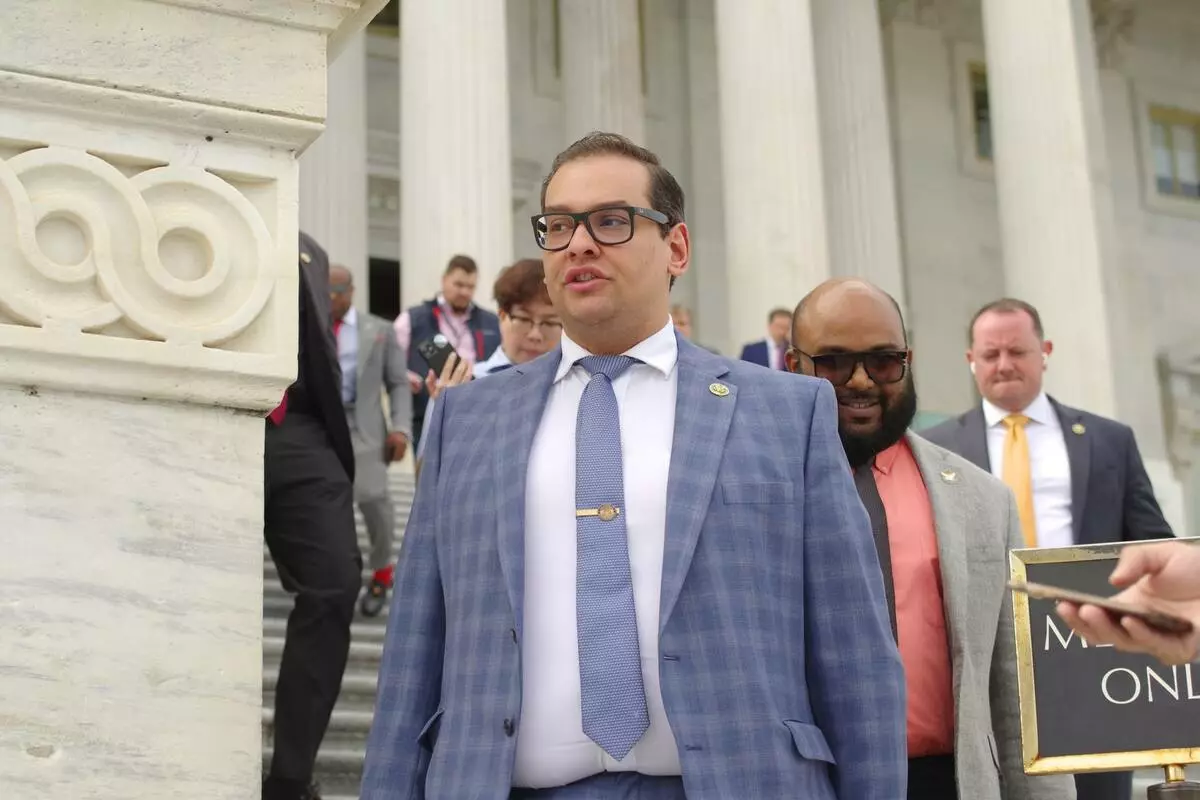
“There are clearly some markets that just don’t meet [the self-certification process] bar that have been listed,” stated Wilson. “Nice job to the CFTC and Kalshi working together on this George Santos situation, but the question of ‘Will George Santos attend the State of the Union address?’ I don’t think that was all that important to anybody and it was obviously readily subject to manipulation by one person… I would argue that never should have been listed in the first place.”
The consequences of member input from the first CFTC IAC meeting could prove to be adversarial to the easy self-certification of mention and appearance markets in the future. With no NIL deal in place, an individual whose name is included as the focal point of a mention or appearance market could arguably be within his/her rights to act in one’s own self-interest in spite of the terms and conditions that prediction market platforms establish.
From a first-person point of view, a question of “Will I do this or that?” could be construed to be at the sole discretion of said individual, regardless of whether the outcome is being forecast on one or more prediction market exchanges. In other words, one’s right to self-determination could legally outweigh any insider trading complaints brought forth by corporate or government entities that decided on their own to certify a particular market.
The comments offered by IAC members on Thursday, as they relate to mention and appearance markets, paint a bleak picture in regard to the future certification of markets that are based on attendance and verbal communications. This includes sports event contracts that are linked to individual player injuries, as those represent a version of “attendance” markets that can be manipulated by a lone player during any given sports contest.
Loading …