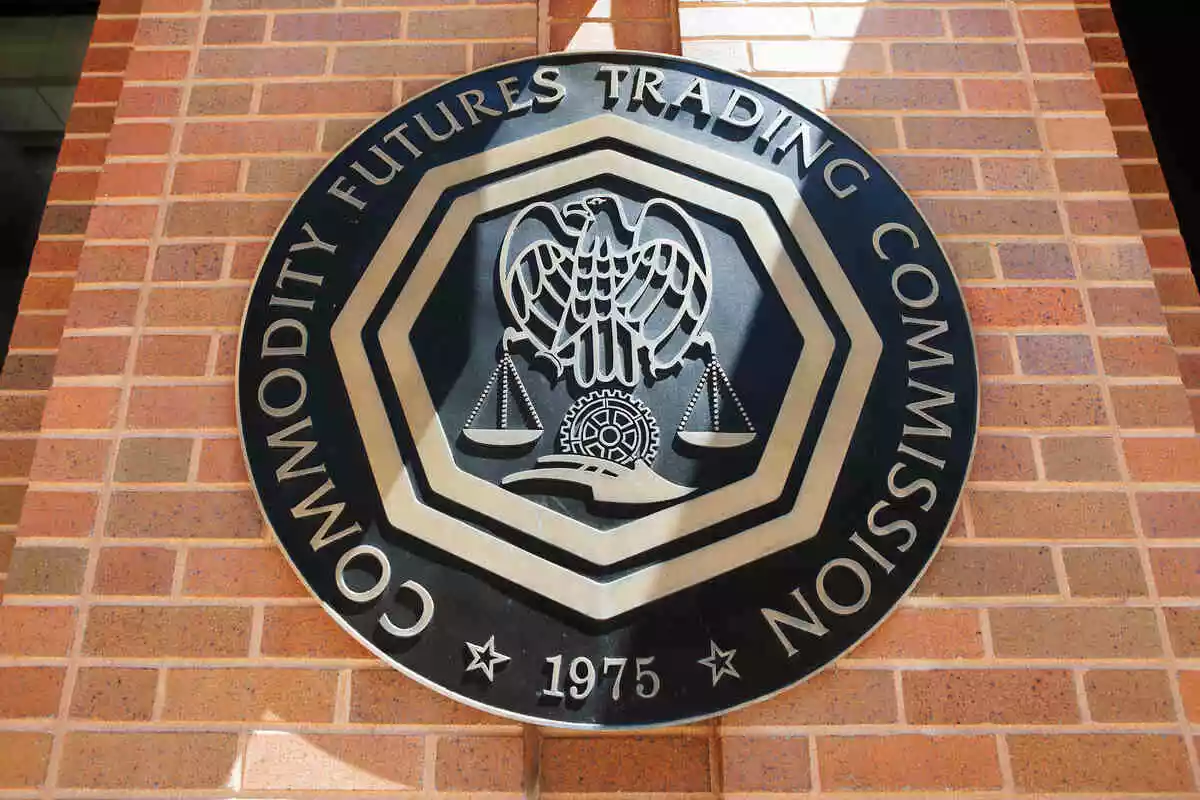
The Commodity Futures Trading Commission (CFTC) published an official press release on Tuesday that addresses “mention” markets and their potential vulnerability to market manipulation. The advisory, prompted by the agency’s Division of Market Oversight, follows up on concerns that were expressed during the inaugural Innovation Advisory Committee meeting in August.
Lumping “mention” and “appearance” markets into the same category, the CFTC-DMO said Tuesday that “these contract types present a heightened risk of manipulation because their settlement turns on the discrete conduct of a person that may be neither independently generated nor externally verifiable.”
All DCMs (Designated Contract Markets) authorized under the federal agency’s remit must be in full compliance with Part 38.200 of the Code of Federal Regulations, otherwise known as the CFTC’s “Core Principle 3.” The rule states, “The board of trade shall list on the contract market only contracts that are not readily susceptible to manipulation.”
READ: Code of Federal Regulations: Title 17 (Chapter 1, Part 38.200)
Two high-profile Kalshi markets have been burned by (both alleged and confirmed) insider trading activities this calendar year.
In February, a Kalshi appearance market linked to former congressman George Santos’ “appearance” at the State of the Union address was allegedly manipulated by the one individual who could have a direct influence on how that market eventually settled. Though he admitted no guilt, Santos was fined $17,500 by the CFTC and forced to disgorge the profits he made by allegedly manipulating that appearance market after informing social media followers that he would indeed attend the event (only to purchase “no” contracts and cancel his scheduled appearance at the last minute).
Last month, former White House teleprompter operator Gabriel Perez was fined $65,000 and forced to disgorge over $107,500 in profits from Kalshi “mention” markets that he participated in. Perez has since been removed from his teleprompter duties, but the settlement points to the verifiable vulnerability that “mention” markets possess. Both Santos and Perez received three-year trading bans from CFTC-regulated prediction platforms as a result of their settlements, but neither was criminally charged.
Although influencer-based prediction platforms such as XO Market are not CFTC-regulated, the “community” model that drives such exchanges could pose a significant threat to traders who buy and sell contracts on “mention,” “participation,” or “appearance” markets.
Trades on whether a popular influencer attends a certain event, says something during an interview, achieves a high score while streaming, or qualifies for a sanctioned competition could be equally susceptible to market manipulation compared to federally regulated contracts.
Prediction markets that are regulated by the CFTC are governed by federal guidelines, which can be publicly enforced. By contrast, accusations linked to manipulation on non-regulated exchanges may be forced to rely exclusively on social media pressure and other “internet shaming” techniques that seldom achieve the results that were originally desired by impacted traders.
Loading …