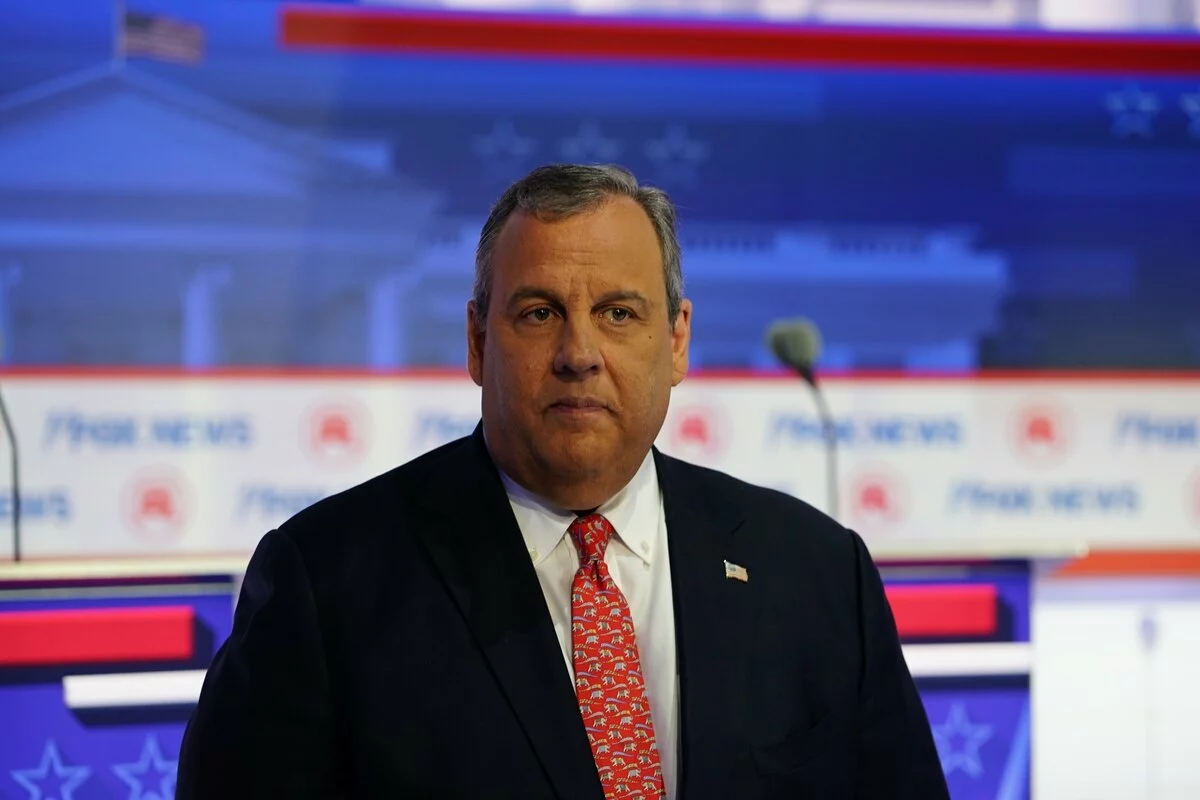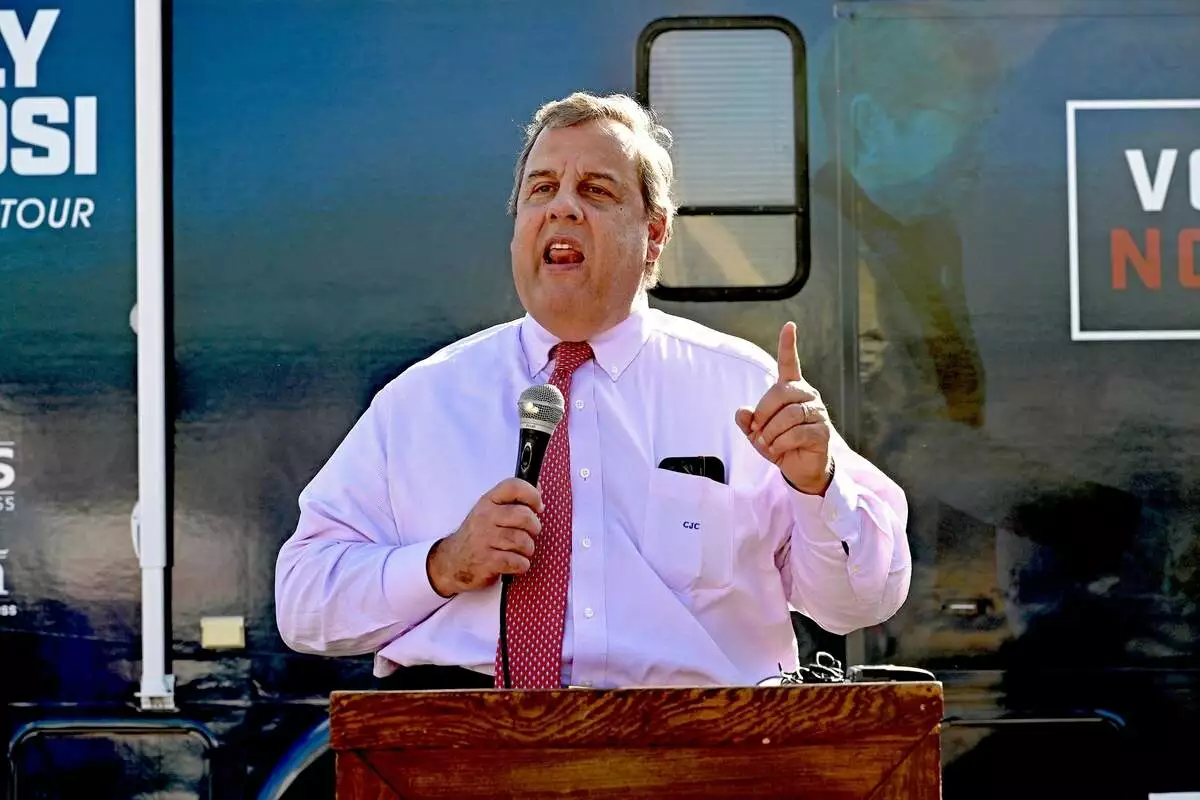
On Monday, former New Jersey Governor Chris Christie joined CNBC’s Squawk Box to discuss the emergence of prediction market platforms. During the interview, Christie, who was responsible for bringing online gaming to the state of New Jersey in 2013, criticized prediction exchange sports contracts.
“You’ve got $1.3 billion in tax revenue to states [that has] already been siphoned off by the predictive market companies,” said Christie early Monday morning.
The senior legal and political commentator went on to say that prediction platforms are marketing to teenagers, a reference to the minimum age requirement of 18 that numerous CFTC-regulated exchanges currently have in place.
When asked about the eventual outcome of the ongoing legal battle between states and prediction markets, Christie said that the issue is likely headed to the Supreme Court. However, the current AGA strategic advisor also mentioned that restrictions on sports contracts could be included in a revised version of the CLARITY Act that has stalled in the Senate.
Multiple shortened clips of Christie’s CNBC Squawk Box interview were shared on X. One can be viewed within a thread created by the American Gaming Association while a separate clip was uploaded by Kalshi’s head of enforcement Robert J. DeNault.
In comments that addressed the content that was cross-posted by Kalshi’s trade group rival, DeNault stated that “Governor Christie’s claims aren’t based on facts.” Kalshi argues, correctly, that final court rulings on issues that pit states against prediction markets are (more or less) evenly split as opposed to the 85% win rate that the former New Jersey governor is claiming. However, related procedural rulings on temporary restraining orders and preliminary injunctions have broken heavily in favor of states overall.
DeNault also called out Christie’s claims that CFTC oversight of prediction markets is lacking. “The CFTC and the exchanges it regulates have entire teams of investigators,” countered the Kalshi lawyer. “We talk all the time.”
The American Gaming Association is sticking to its stance that sports prediction markets equate to sports “betting” that should fall under statewide jurisdiction. “A massive, bipartisan coalition of 44 state attorneys general. One clear message: sports betting oversight belongs with states and tribes-not with the CFTC,” posted the AGA on Monday.
The trade group’s position is that prediction markets (specifically, sports event contracts) bypass state gambling laws and tribal sovereignty. That view is in line with comments made earlier this year by tribal gaming executives, in which they defined prediction markets as a serious threat to tribal gaming laws and compacts.
As for Christie, he believes that the Supreme Court will side with states by recategorizing sports event contracts as sports wagers. However, the relevant court cases aren’t expected to be heard by SCOTUS until 2027 or 2028, which means that state and tribal gaming authorities will likely make a significant push to include language that restricts prediction market sports contracts within the CLARITY Act in the coming months.
Loading …