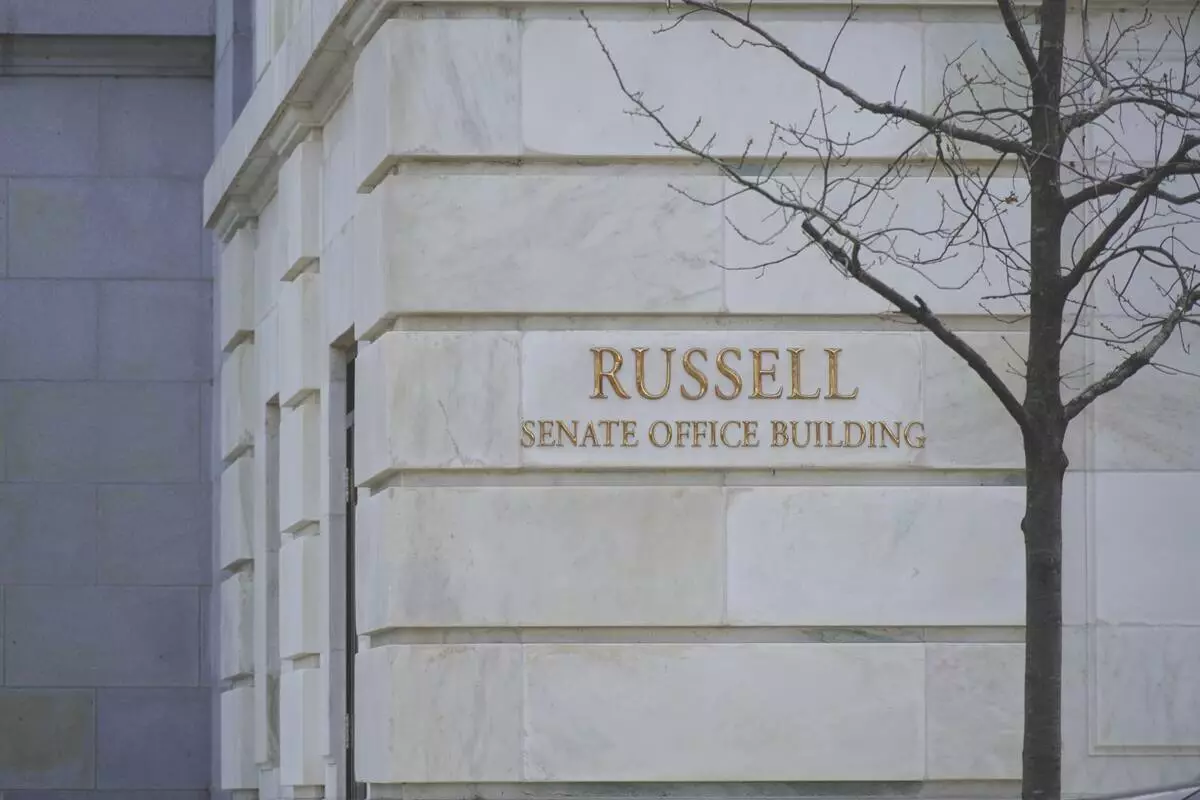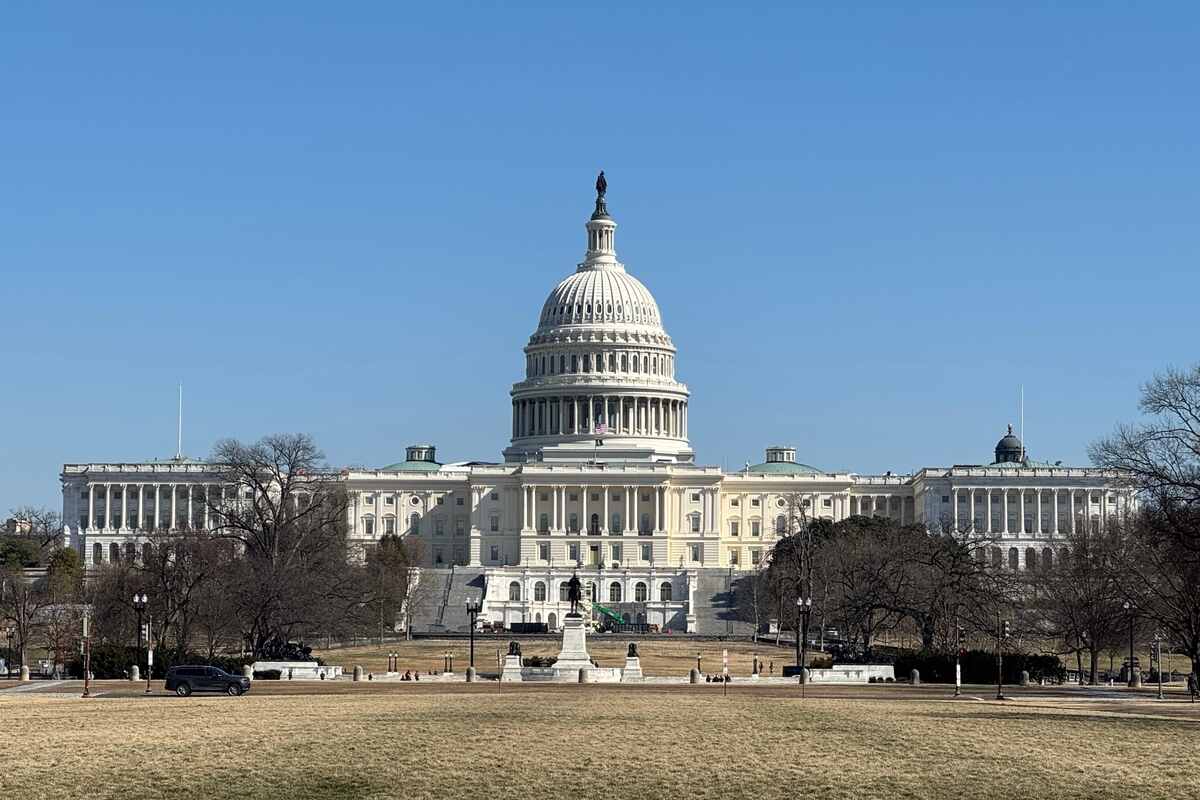
The battle over the Digital Asset Market Clarity Act, originally introduced in 2025, pits several opposing gaming, banking, and trading interests against each other. In spite of the legislative proposal’s stated goal of creating a regulatory structure for digital assets within the United States, tribal and state gaming authorities are pushing for language to be included that explicitly bans sports-related prediction market trades.
Now that the July 4th holiday has come and gone, forecasters on prediction market platforms such as Polymarket are shifting or reconfirming their views on whether the CLARITY Act will become law at some point during the 2026 calendar year. Below, our readers will find updated information on the current status of the CLARITY Act.
Passage of the CLARITY Act could be vital for prediction platforms like Polymarket, which operate on blockchain rails by forcing customers to make trades using the USDC stablecoin. Once (and if) a formal structure for how digital assets are categorized and regulated within the United States is established, Polymarket’s path to a full US product launch would be imminent.
For now, US customers must use a Virtual Private Network (VPN) to access Polymarket’s international exchange, which is technically not available in the United States.
The major impact of the CLARITY Act on CFTC-regulated exchanges like Kalshi and Novig would occur if state and tribal gaming interests are able to insert language into the bill that outright prohibits trading on sports-related prediction markets. Kalshi’s sports outcome markets are estimated to represent approximately 70% of its overall trading volume in the US, while Novig hosts sports-based event contracts exclusively.
As it’s currently written, the CLARITY Act does not exclude prediction market trades that are related to sports, politics, or entertainment award outcomes. However, that would change if tribes and states are able to get the bill’s language modified to include such restrictions.
The most recent estimate from Coinbase Chief Legal Officer Paul Grewal is that the CLARITY Act should be passed by the November midterm elections. Before that can happen, the proposal will need to face a full floor vote in the United States Senate.
Coinbase CEO Brian Armstrong has recently stated that the CLARITY Act is “closer than ever” to being passed, but that observation is disputed by Indian Gaming Association Conference Chair Victor Rocha and other tribal executives who insist that the CLARITY Act must contain a ban on sports-related prediction markets before it can pass.
The odds for the CLARITY Act to become law in 2026 on Polymarket jumped from 40 cents to 56 cents per contract over the weekend, as the United States celebrated Independence Day. By early Tuesday morning, those odds had retreated to 46%.
On Kalshi, there are two separate markets for the potential passage of a digital asset framework. The “yes” forecast for the CLARITY Act (or similar legislation) becoming law by the end of the year is currently trading at 46 cents per contract. Separately, a “yes” trade on the framework becoming law by the end of the month has dropped to 6.4 cents per contract.
Loading …