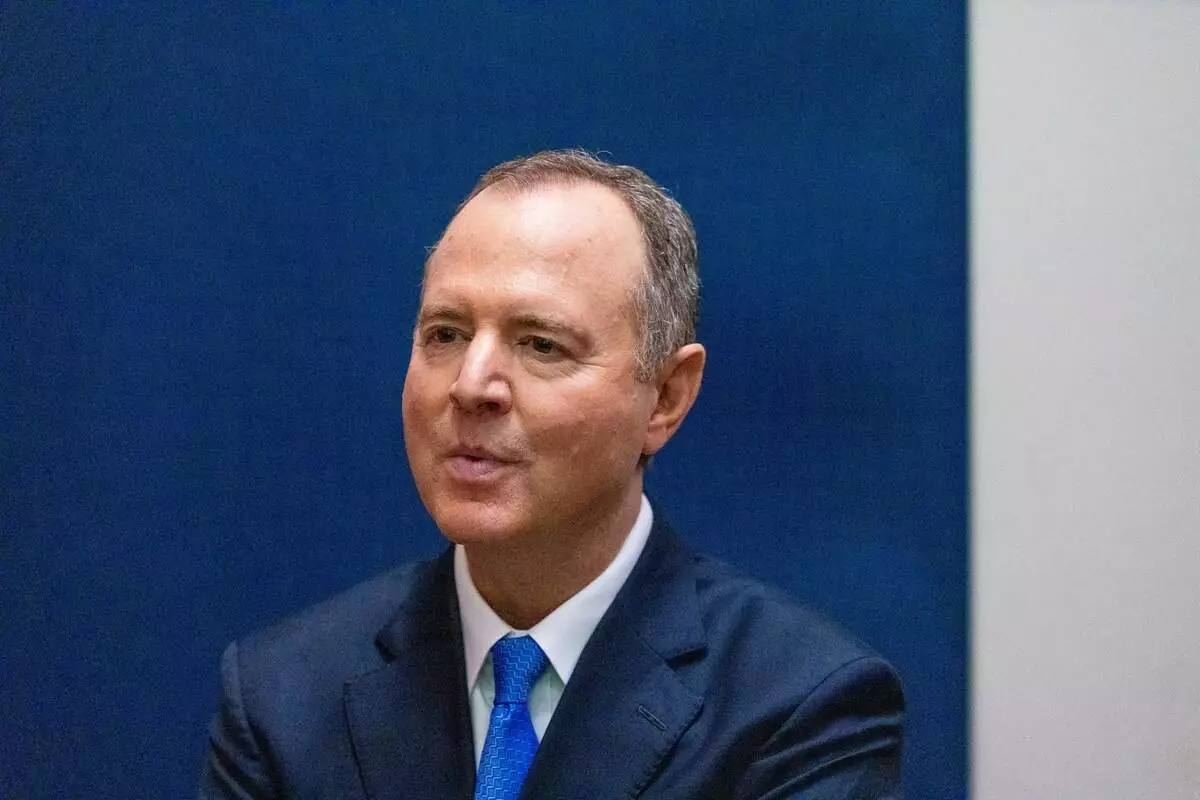
On Wednesday night, the Senate passed a resolution that specifically denies convicted fraudster Sam Bankman-Fried the opportunity to receive a presidential pardon at some point in the future. The measure passed unanimously by consent. It aims to force the FTX founder to serve his complete 25-year prison sentence.
Once word of the Senate’s resolution had spread, Coinbase Vice Chair Ryan VanGrack posted his thoughts on how the Clarity Act, if passed, will ensure that consumers are protected from fraudulent activities.
“A unanimous Senate vote against an SBF pardon proves there is zero tolerance for market fraud,” stated VanGrack, a former senior advisor for the SEC. “But symbolism isn’t enough. We need to codify that stance as a country. At its core, the Clarity Act is a consumer protection bill designed to prevent frauds like FTX. So if Congress agrees an FTX situation should never happen again, it should agree on the Clarity Act.”
Prediction market platforms and crypto exchanges that are heavily in favor of passing the Clarity Act as it’s currently written are continuing their push to urge the Senate to vote on the proposal before its August 7th recess. On Thursday afternoon, Wyoming Senator Cynthia Lummis uploaded her own social media post that positions digital asset regulation as a bipartisan issue.
“Commonsense digital asset rules are not a fight between political parties,” the Senator reminded her followers. “It’s a fight between a functioning market and another decade of leaving this industry and consumers in the dark.” Currently the Clarity Act is being held up in the Senate as two key committees decide whether and how to unify the bill before seeking a cloture vote.
Aside from providing formal guidelines for how digital asset trades are regulated, the Clarity Act would pave the way for services like Polymarket to receive CFTC approval to officially launch a domestic exchange in the United States.
Although prediction markets have soared in popularity in 2026, many key lawmakers are vehemently opposed to CFTC regulation of sports, politics, and entertainment-related trades. Nevada Representative Dina Titus wrote an op-ed for The Hill earlier this week that claims prediction markets are incorrectly categorizing their products to secure their legalization.
“By labeling their products as financial derivatives, these platforms conflate sports betting with investment and allow the platform’s activity to be dealt with at the federal level, instead of through the states or tribes who have historically been the ones regulating such markets,” wrote Congresswoman Titus. “This distinction is not merely semantic; it carries serious consequences for consumers and the gaming industry.”
Nevada was once the only state jurisdiction to allow legal sports betting across a vast array of competitive athletic sports events. However, in 2018, the US Supreme Court repealed PASPA, which prompted more than half of the states in the country to license and regulate the activity.
However, many state gaming authorities now believe that prediction markets are cannibalizing sports betting tax revenue due to how their sports-related contracts are categorized. Exchanges like Kalshi, Polymarket, and Novig allow customers to trade on the outcome of sports events by predicting final scores, point spreads, individual performances, and total points scored through the trading of “yes/no” contracts.
These trades are referred to as “peer-to-peer” products by the prediction markets. However, those who are in favor of outright banning sports-related event contracts argue that traders are still technically forecasting “against the house” due to superior information that counter-party market makers often possess.
Loading …