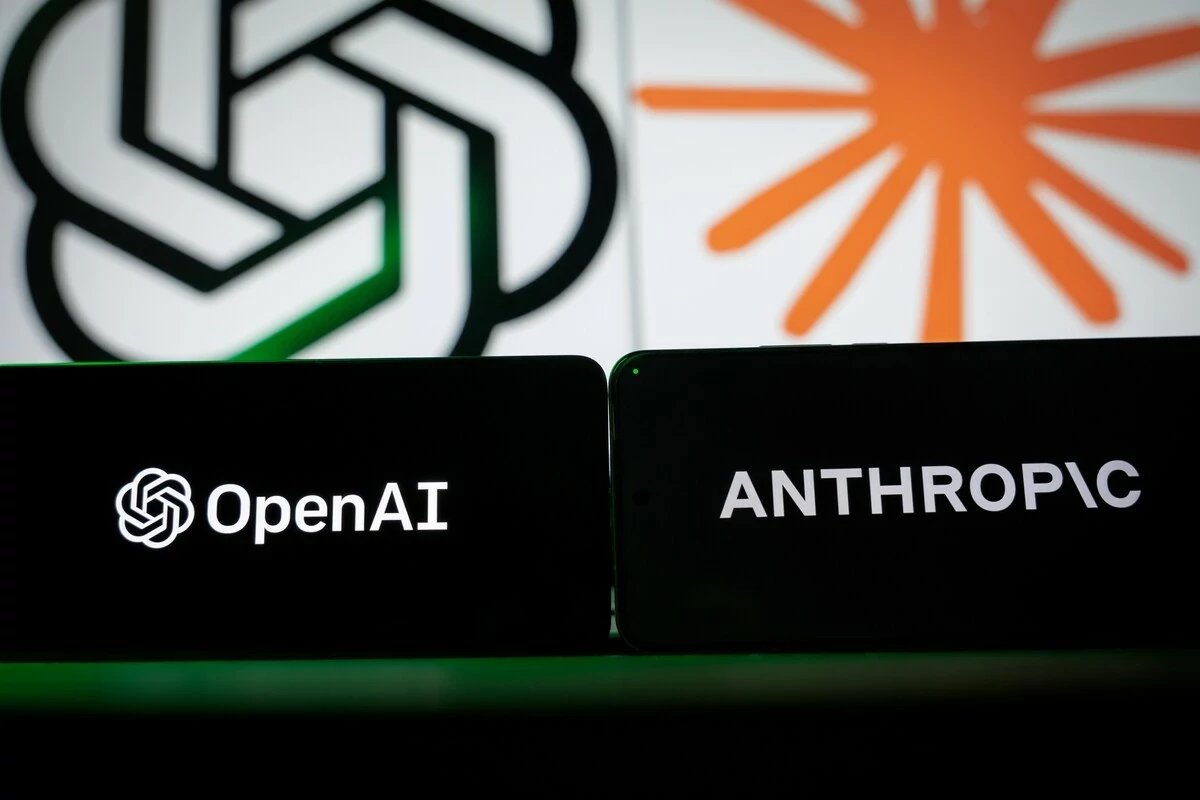
Less than a week after the Chicago Mercantile Exchange (CME) sued the CFTC over the federal agency’s classification of perpetual contracts as “futures,” Coinbase has announced a limited test launch of pre-IPO perpetuals on its international exchange. Similar to BTC-PERP and ETH-PERP contracts that are now traded on Kalshi, the pre-IPO futures, listed as ANTHROPIC-PERP and OPENAI-PERP, allow customers to leverage their positions and hold them indefinitely.
READ: CME vs. CFTC (lawsuit filed June 18th, 2026)
For now, the Coinbase perpetual contracts are only available to eligible account holders located outside the United States, but that could change as soon as this year if a settlement is reached between the CME and CFTC (or if the CLARITY Act is signed into law as-is… more on that below). An official communication posted by Coinbase on Monday prompts eligible followers to “get exposure to [OpenAI and Anthropic] now on Coinbase, with pre-IPO perps. Start trading before they go public.”
A follow-up reply by the same official Coinbase ‘X’ account provides legal clarification and warns customers of the elevated risk that may come with buying or shorting a perpetual contract.
“Pre-IPO perps are live for eligible non-US users in select markets via Coinbase Bermuda Ltd (BMA-licensed),” reads the statement. “These differ from standard perps: valuation-based index pricing, IPO conversion risk, lower liquidity & higher volatility [equal] elevated risk. Only trade what you understand. Not affiliated with, sponsored, or endorsed by Anthropic and/or OpenAI.”
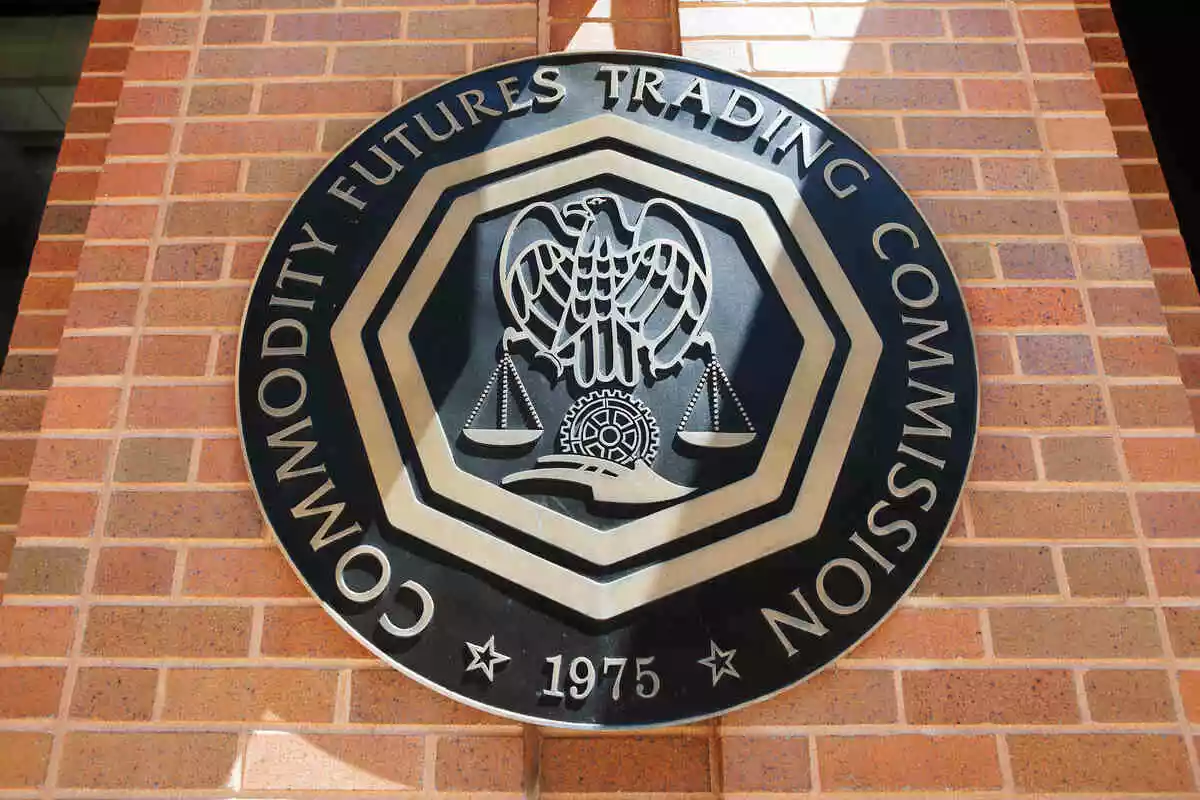
Although the Commodity Futures Trading Commission (CFTC) formally regulates and oversees prediction market event contracts as well as derivatives that are traded on Kalshi, there is no existing framework for individuals located in the US to legally get exposure on stock positions for private companies. Such a framework would come into existence if the CLARITY Act, which is supported by the Blockchain Association and other digital asset advocacy groups, is approved by the Senate as it is currently written.
But it remains to be seen whether opponents of the bill, including JP Morgan Chase CEO Jamie Dimon and CME chief executive Terrence Duffy, will be successful in their efforts to influence or alter the specific language in the proposed legislation before it heads to a full floor vote.
“Congress contemplated derivative instruments with this form and called them swaps, in the same breath legislating special requirements to address the role swaps had played in the 2008 financial crisis,” according to last week’s lawsuit filed by the CME. “But suddenly, the CFTC changed course: on May 29, it approved a request by KalshiEX LLC (“Kalshi”) to list a perpetual contract for trading in U.S. markets as a future, a different form of financial instrument that receives different regulation and favorable tax treatment.”
Legally, the argument boils down to opposing interpretations of both the Commodities Exchange Act (CEA) of 1936 and the Dodd-Frank Act of 2010. Recently, former SEC Chairman Gary Gensler and former CFTC Commissioner Dan Berkovitz have expressed uncertainty regarding whether perpetual contracts should be classified as “futures” or “swaps,” choosing instead to focus their criticism on event contracts related to sports outcomes.
For its part, the CFTC categorizes the digital asset perpetual contracts offered by Kalshi as “futures.” However, the agency does not regulate the pre-IPO “perps” that are now being tested in a trial run on Coinbase’s international exchange.
Loading …