Shockwaves were felt throughout the social media landscape on Thursday, as former Biden administration Solicitor General Elizabeth Prelogar filed an amicus brief in the Sixth Circuit Court of Appeals that supports the plight of prediction markets against state-based crackdowns. Prelogar, who was recently retained by the Coalition for Prediction Markets advocacy group, states in the filing that prediction markets offer services and products that are clearly distinguishable from traditional sportsbooks.
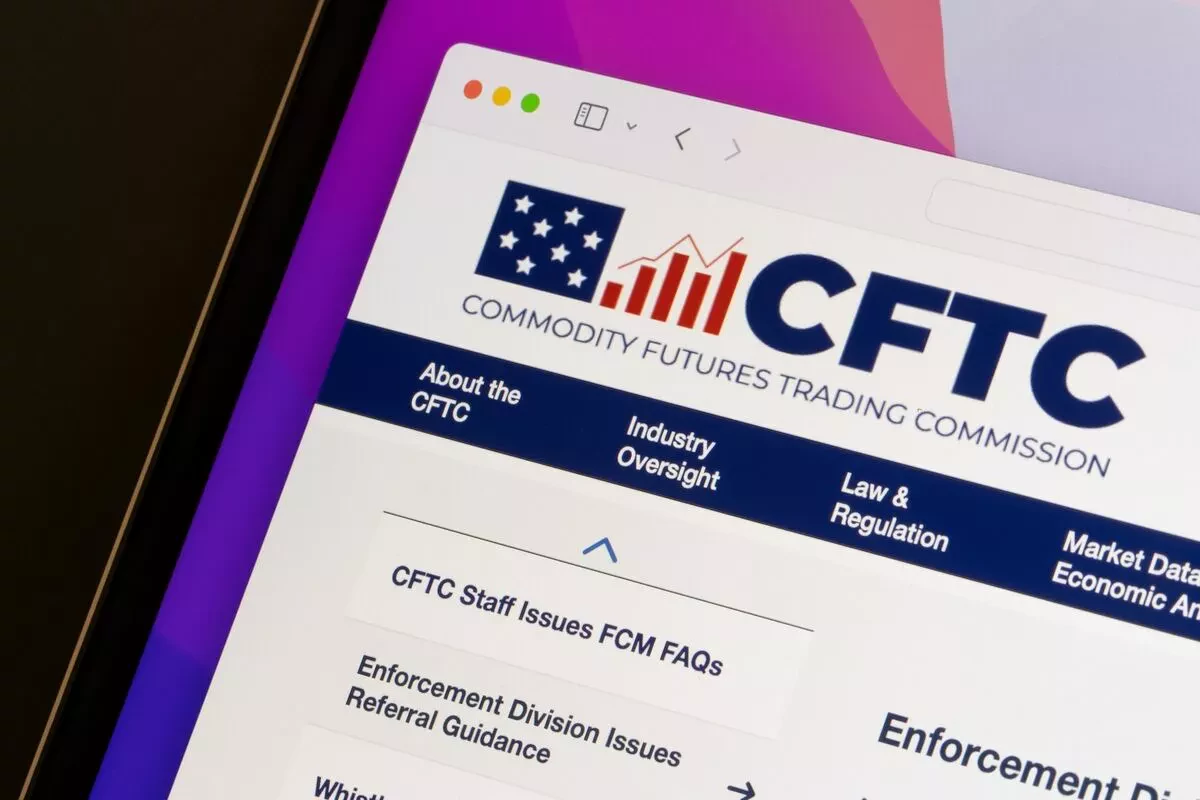
Subsequent to the filing, Kalshi Head of Enforcement Robert J. DeNault and Coinbase Chief Legal Officer Paul Grewal relayed their sentiments on the X platform. “On behalf of [the Coalition for Prediction Markets,] former Solicitor General Prelogar just filed a masterpiece of an amicus brief in the Kalshi Sixth Circuit appeal,” posted Grewal in a dedicated thread. “In addition to laying out the history underlying the CFTC’s exclusive jurisdiction over prediction markets, she makes three key points for which the states have no real answer.”
In a separate thread posted on X Thursday, Kalshi hailed Prelogar’s amicus brief as “powerful,” adding that the main takeaway from Thursday’s filing is that “this is not a D versus R issue, but a casino versus consumer issue.” The full text of Prelogar’s amicus brief has yet to be uploaded to a public domain.
Grewal’s ‘X’ thread provides publicly available insight into the arguments laid out in Prelogar’s brief, which was filed in the Sixth Circuit Court of Appeals (Cincinnati) case that pits the largest CFTC-regulated prediction market against the Ohio Casino Control Commission (OCCC). In March of this year, District Court Judge Sarah D. Morrison ruled in favor of Ohio’s gaming regulators, which Kalshi has since appealed.
Direct quotes from Prelogar’s amicus brief, as they relate to the “three key points,” are provided by Grewal within the thread.
“First, the market mechanism provides a simple way for diverse users from across the nation (or even the globe) to share their views. Different participants might base predictions on different specialized information—e.g., macroeconomic factors, cultural trends, or weather patterns. The market mechanism requires them to translate that knowledge into a simple numerical form, which can be aggregated with the numbers provided by other market participants.”
“Prediction market operators do not have the same incentives or pursue the same business strategies as sportsbooks. Although prediction markets charge transaction fees, they allow users to enter contracts at whatever odds other market participants are willing to accept. A losing prediction also makes a prediction market no more money than a winning one. And platforms lack control over contract prices, while also possessing legal obligations to provide impartial access to their contracts.”
States’ gaming regulatory mechanisms and infrastructure “are ill-suited to regulating prediction markets because they do not concern themselves with fostering safe, fair markets at all. They do not address price discovery, information aggregation, risk hedging, or market manipulation. Instead, state gambling laws largely seek to balance two countervailing goals: (1) restricting supposedly immoral behavior, and (2) promoting local economic development.”
Kalshi’s appeal against the OCCC has been consolidated to include a parallel complaint from Tennessee, where Kalshi won a District Court ruling against the Tennessee Sports Wagering Council (TSWC) in February. The consolidated appeal, which is now before the Sixth Circuit, has been placed on an expedited schedule with oral arguments set to begin on July 30th.
This means that a definitive Sixth Circuit ruling is likely to be handed down during the fall of this year. Regardless of the Sixth Circuit Court’s ruling, many legal experts believe the battle between prediction markets and state/tribal gaming regulators will be heard by the US Supreme Court in 2027 or early 2028.
Loading …