The US House Armed Services Committee has introduced language within the 2027 National Defense Authorization Act (NDAA) that calls for a crackdown on insider trading related to prediction markets. If the bill is passed and becomes law as is, it would compel the Department of Defense to create guidelines and enforcement mechanisms against military and civilian DOD personnel who use privileged and/or classified intel to trade on prediction exchanges like Kalshi and Polymarket.
READ: National Defense Authorization Act 2027 (HR 8800 draft legislative proposal – May 2026)
Starting at the bottom of Page 9 of the draft, the proposal specifically includes language that would require Secretary of Defense Pete Hegseth to “develop regulations prohibiting participation in prediction markets related to certain national security topics.” Furthermore, the draft calls for Secretary Hegseth to collaborate with other top military officials to “issue regulations prohibiting members of the covered Armed Forces and civilian employees of the Department of Defense from entering into transactions on prediction markets” (Page 39).
The exclusions would impact markets in which the individual(s) has/have “material nonpublic information” or “may reasonably obtain such material nonpublic information” as a result of “performing official duties.” Upon becoming law, the current version of the NDAA draft allows an implementation period of 180 calendar days for the DOD to create and enact the corresponding regulations.
Policy experts and lawmakers have been abuzz on Capitol Hill in recent weeks in reaction to federal charges that were brought against US Army Special Forces soldier Gannon Ken Van Dyke in late April. The federal government’s accusations against Van Dyke claim that he used a VPN to access the Polymarket exchange to profit more than $409,000 on trades stemming from US military actions in Venezuela in late 2025.
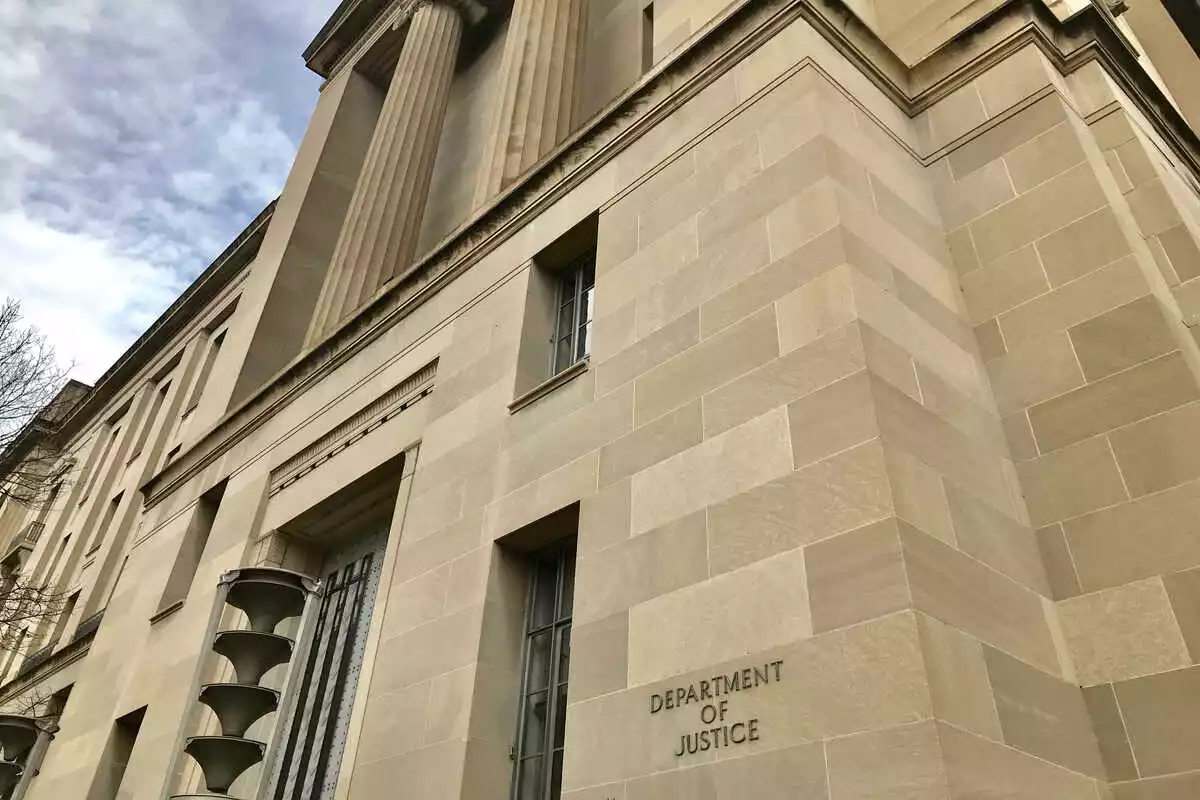
According to the Department of Justice, Van Dyke was personally involved in operations related to then-president Nicolás Maduro’s removal from the South American country. The DOJ says that Van Dyke used classified intel to make numerous, successful Venezuela-based prediction trades on Polymarket, and eventually transferred the winnings to a brokerage account, where the funds remain pending additional investigation.
The criminal case against Van Dyke has been cited by members of the Senate Banking Committee (which backs the CLARITY Act, providing the CFTC with exclusive jurisdiction over prediction markets) as well as the Senate Commerce Committee (which prefers state and tribal regulation over sport-based exchange contracts) in recent hearings.
The soldier’s arrest in April for alleged insider trading even sparked a pointed rebuke of prediction markets by the Council on Foreign Relations. In an April 2026 editorial, Special Assistant to the President – Samuel Henry Lazarus – states that prediction market executives who proudly tout their coordination with federal government officials along with the effectiveness of their own in-house investigations “miss the forest for the trees.” This is because “by the time a national security insider is caught trading, the damage is done,” according to the CFE research associate.
Loading …