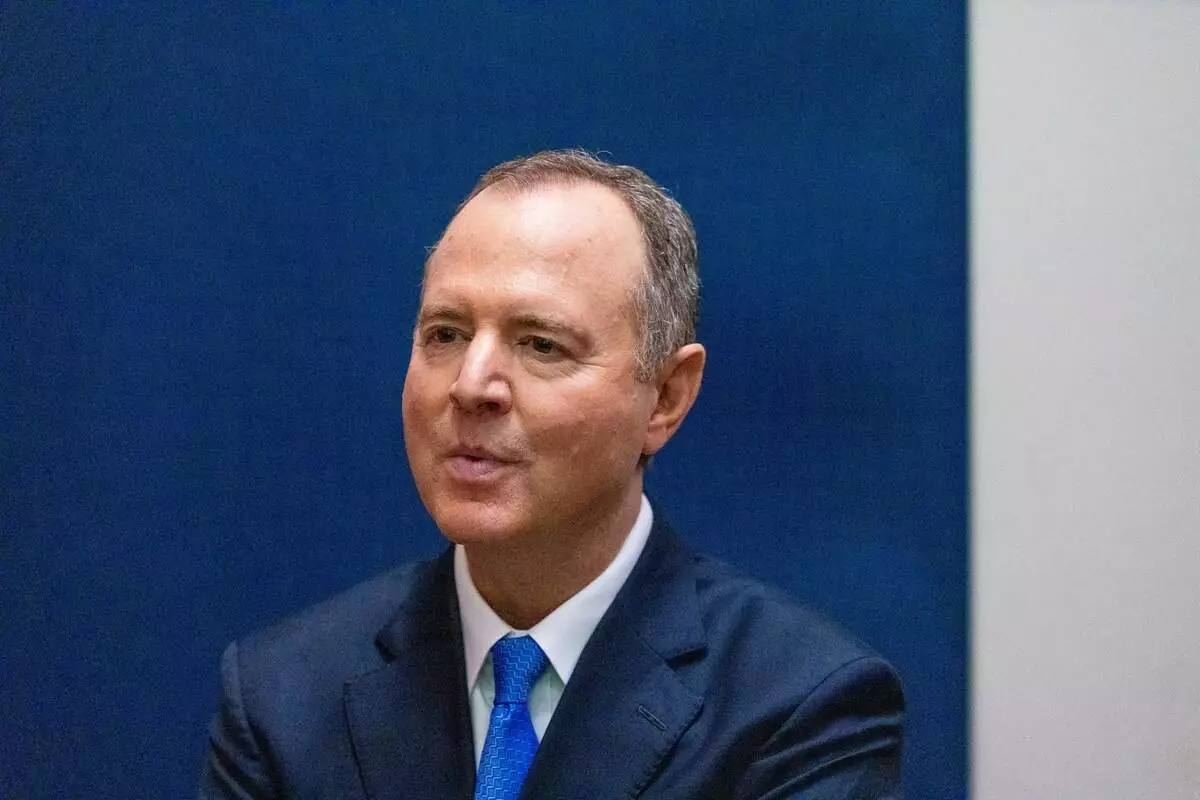
Kalshi head of enforcement Robert J. DeNault took to social media on Tuesday to rebuke claims by California Senator Adam Schiff that the prediction exchange offers catastrophe-based event contracts on war and wildfires. The response, posted on X, was in reaction to Schiff’s reference to events that allegedly took place on Polymarket’s unregulated international exchange earlier this year.
In April, a US Army Special Forces soldier was arrested for allegedly using a VPN to access Polymarket’s international trading platform to profit more than $409,000 from trades based on US military actions in Venezuela. One month later, the federal government criminally charged a Google employee for purportedly using insider information to trade on “trends” markets that were likewise offered on Polymarket’s offshore app.
“Kalshi doesn’t list war or wildfire markets because they create bad incentives and are inconsistent with the CEA,” responded Kalshi’s head of enforcement. “Just like one politician doesn’t define everyone in Washington, one offshore prediction market doesn’t define the whole industry.”
Senator Schiff’s complaints about prediction markets were uploaded to X on August 18th. The California politician initially focused his criticism of prediction exchanges on catastrophe-based event contracts.
“These prediction markets are just getting out of control,” stated Senator Schiff in a three-minute video clip. “First, you have people betting on minute details of the war in Iran who turn out to be engaged in the war in Iran or have inside information and try to cash in… and now you have people who are betting on wildfires and how devastating they will be.”
As Kalshi pointed out, it does not offer event contracts linked to events that are based on war or wildfires. However, these types of trades are available on numerous prediction exchanges that operate outside the authority of the Commodity Futures Trading Commission (CFTC).
While Senator Schiff’s preliminary comments revolved around trading on catastrophes (an activity that doesn’t occur on Kalshi), the former US Representative quickly transitioned to federally regulated prediction market gripes that are well-established in political and legal circles.
According to Schiff’s video comments on Tuesday, prediction markets:
Members of Congress are generally split (mostly along party lines) on whether prediction market sports contracts should be regulated by the CFTC on a federal level or subject to state regulation that’s categorized as “gaming” or “gambling.”
However, there are some key detractors among high profile public servants on the Republican side of the aisle. In May, Republican Senator Ted Cruz said in a Commerce Committee hearing that “event contracts on sporting events” are essentially “sports bets.” Most state attorneys general are also opposed to the federal regulation of prediction market sports contracts.
On the legal end, the fate of prediction markets could be determined by the US Supreme Court as soon as 2027. Platforms including Kalshi are currently embroiled in multiple state and federal court legal battles against states that are attempting to bring exchanges’ sports contracts under state control.
Loading …