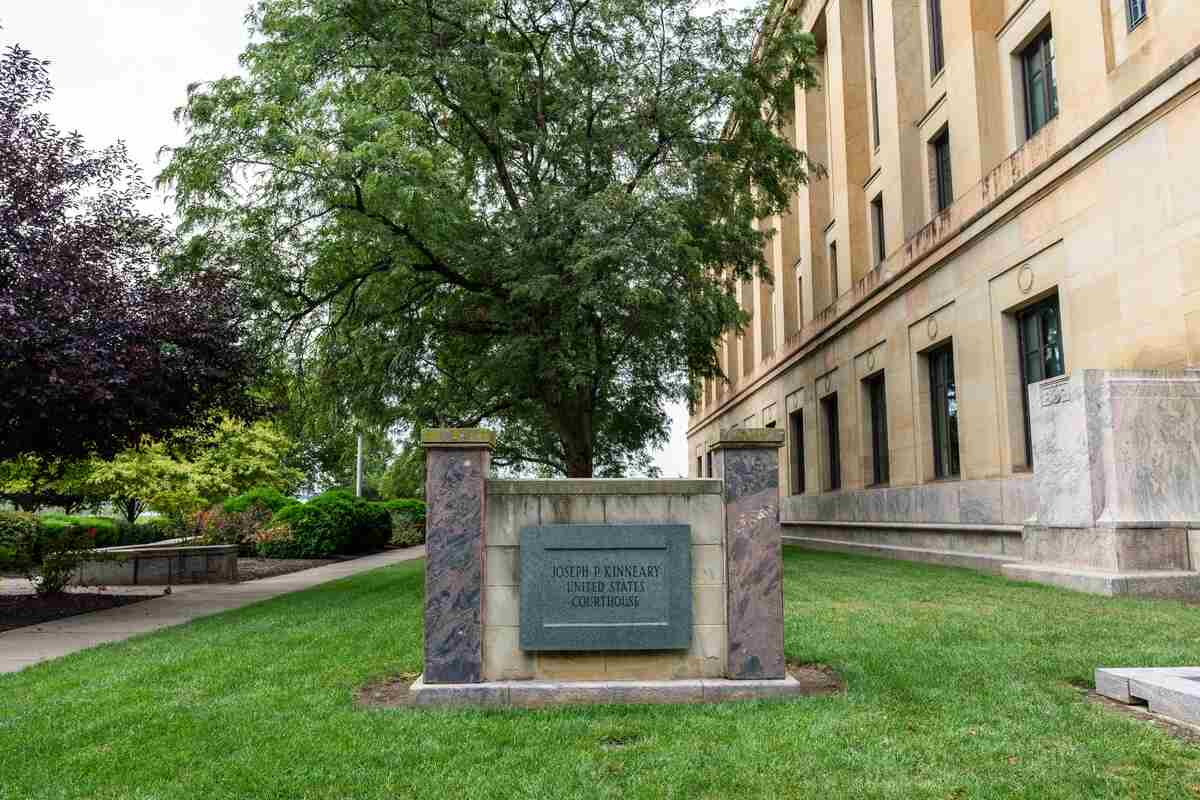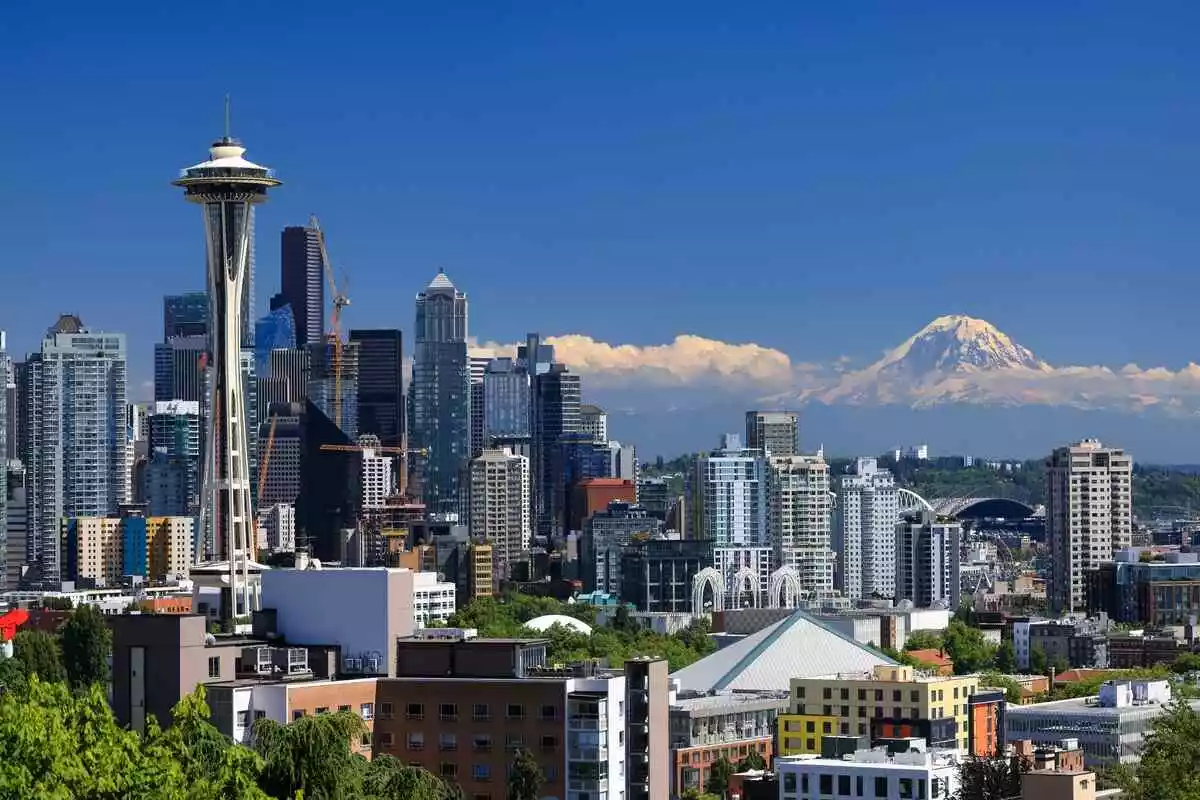
Kalshi has now geofenced its event contracts within the state of Washington. The decision to comply with a recent King County state court ruling comes after the state argued that Kalshi’s event contracts violate the Washington Gambling Act and Consumer Protection Act.
A statement issued by Kalshi to account holders in Washington state was uploaded on Thursday by the “Prediction News” account on X. “The Washington state government has blocked your right to trade freely on Kalshi,” reads the notice.
“As of today, August 20th, you will no longer be able to access our Sports, Elections & Politics, Culture, Tech & Science, and Mentions markets. You will still be able to close your current positions, withdraw money from your account, and trade on markets like Crypto, Climate & Weather, Commodities, and Financials.”
Despite the overarching trajectory of prediction market cases versus states leading to an eventual Supreme Court showdown in 2027 or 2028, neither states nor prediction markets appear to be in a rush to bring their arguments before the nation’s highest court.
States have racked up numerous successful state and federal court rulings concerning preliminary injunctions and temporary restraining orders in 2026, giving them little reason to fiercely pursue legal escalation.
Prediction markets, on the other hand, could still find themselves in a losing situation even if a Supreme Court ruling is hypothetically issued in favor of the CFTC’s argument concerning the Supremacy Clause. Exchanges might still become susceptible to state enforcement if the highest court in the land applies the Major Questions Doctrine (MQD) or rejects the current definition of event contracts as “swaps.”
For now, prediction exchanges like Kalshi could be facing an onslaught of geofencing compliance orders, according to UNH Franklin Pierce School of Law Sports Wagering and Integrity Program co-founding director Daniel Wallach. Earlier this month, Wallach predicted that Kalshi’s products will be at least partially geofenced in more than ten states by early 2027.
With the Washington state ban on most event contracts, Kalshi products are now geofenced in WA, Massachusetts, Nevada, and Michigan. While neither of these jurisdictions alone represents a massive percentage of the country’s overall population, they still total roughly 9% when combined.
With that said, Kalshi isn’t expected to experience any sudden liquidity crunch as a result of its most recent geofencing compliance action. However, more geofencing could jeopardize the prediction market platform’s market share in the face of increased competition from other federally regulated exchanges like Robinhood, Polymarket US, Underdog, Novig, and DraftKings Predictions.
Unlike the licensing infrastructure that many states currently use to regulate sportsbooks, tribal gaming is federally regulated through the 1988 Indian Gaming Regulatory Act (IGRA). It remains unknown how an eventual Supreme Court ruling may or may not shield prediction markets from legal complaints that have already been lodged by tribal governments.
Similar to the American Gaming Association, tribes see prediction markets as an existential threat to their gaming activities. Tribes enjoy a combination of market exclusivity and state-based compact agreements that provide bargaining power that could be negatively impacted as the proliferation of federally regulated prediction markets continues.
Loading …