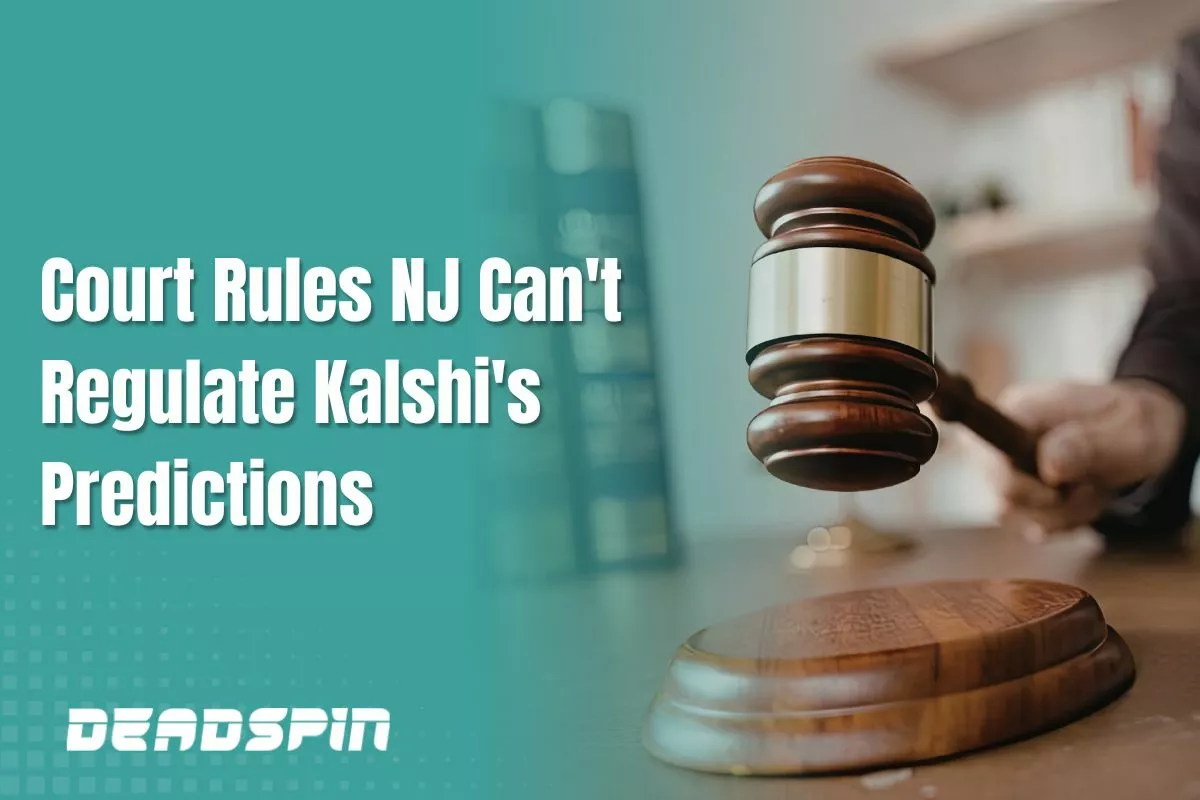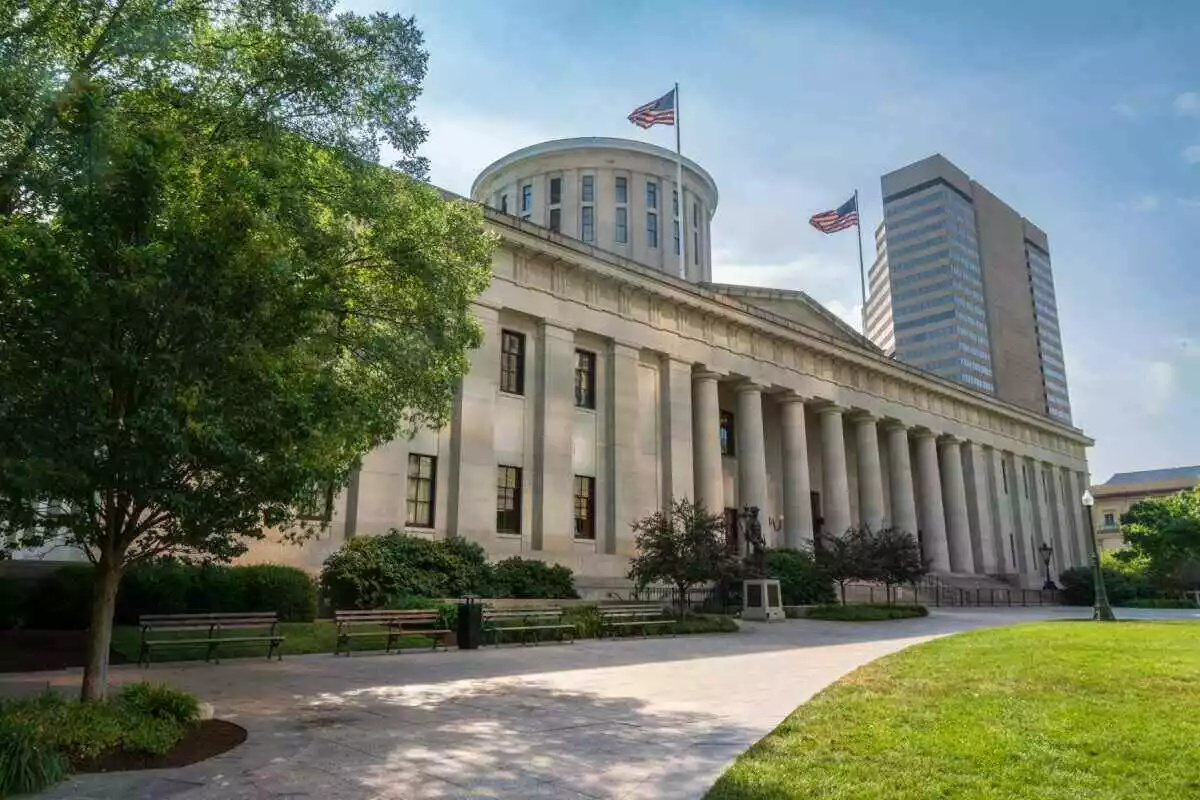
On Tuesday, the US District Court for the Southern District of New York ruled that the state’s gambling enforcement mechanisms are not preempted by the Commodity Exchange Act. The decision, handed down by Judge Analisa Torres, paves the way for New York to pursue enforcement of its gambling laws against the prediction market platform.
Siding with New York’s stance on the categorization of event contracts, Judge Torres wrote, “The Court finds that New York gambling laws as applied to Kalshi’s sports-event contracts are not preempted by the CEA and Kalshi has not, therefore, made a clear or substantial showing that it is likely to succeed on the merits.”
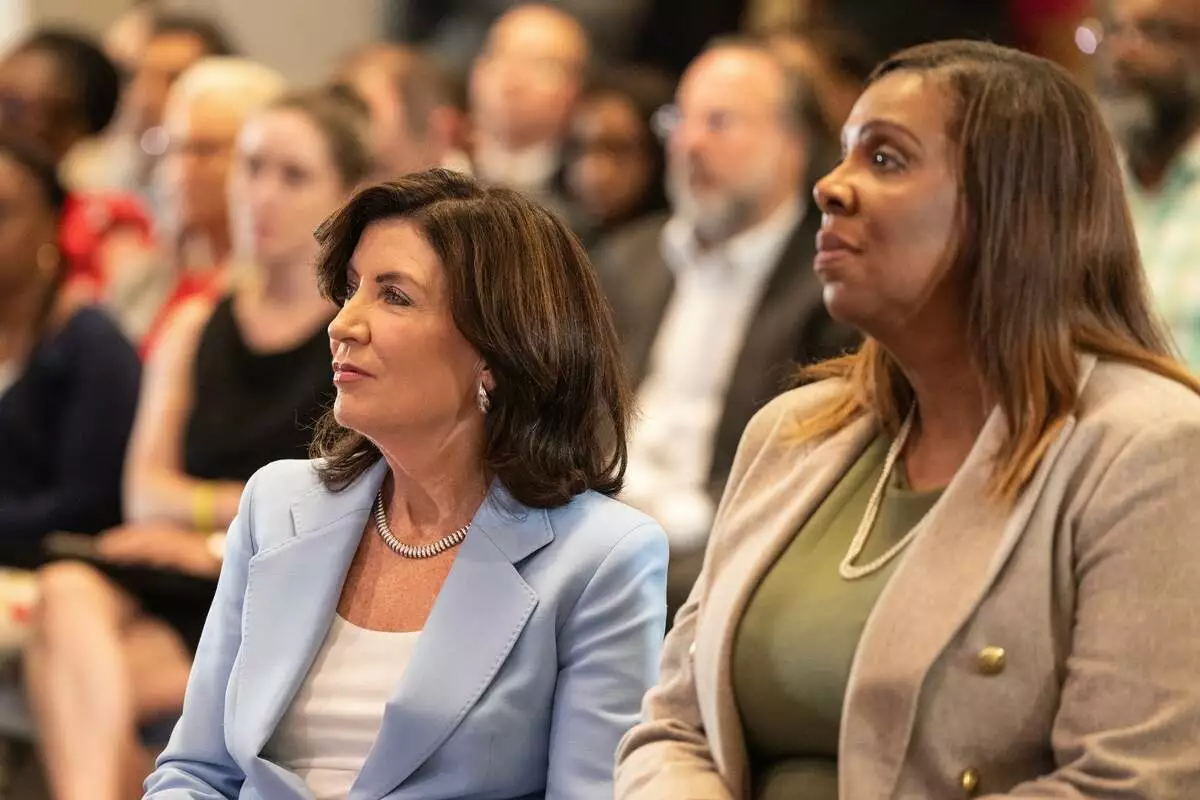
New York Governor Kathy Hochul responded to the news early Wednesday morning. “Gamble with our laws and you’re going to lose,” stated the New York chief executive in a social media post on X. “Just ask Kalshi.”
A Wednesday post uploaded by New York Attorney General Letitia James added that “Kalshi tried to get out of following our laws in New York. They lost in court.” The attorney general promised to “continue to hold all gambling platforms accountable — including prediction markets.”
For its part, Kalshi filed a same-day appeal, which will be heard by the US Court of Appeals for the Second Circuit (New York City) at some point in the future. So far, that has been the only official legal action or quote offered by Kalshi executives in reaction to Tuesday’s ruling.
The best summary of the potential ramifications of Tuesday’s District Court ruling against Kalshi has been provided by Florida gaming attorney and Forbes contributor Daniel Wallach.
Wallach holds a license to practice within New York’s borders and therefore was able to secure an official copy of the ruling late Tuesday night. The most direct impact from the District Court decision is that the state of New York is likely to initiate legal proceedings against Kalshi in an attempt to enforce its gambling laws.
While Kalshi is not immediately forced to geofence its event contracts from users within the state, that could become a possibility in the near future, depending on how the state proceeds. At present, Kalshi’s full range of sports-related event contracts is technically available in 48 states, with Nevada and Michigan being the exceptions.
Tuesday’s ruling does not change the anticipated final destination of the continuing legal battle over prediction markets. The US Supreme Court is likely to rule on one or more of the cases in 2027 or 2028. Until then, the legal process will play out in a variety of state and federal courts.
Loading …