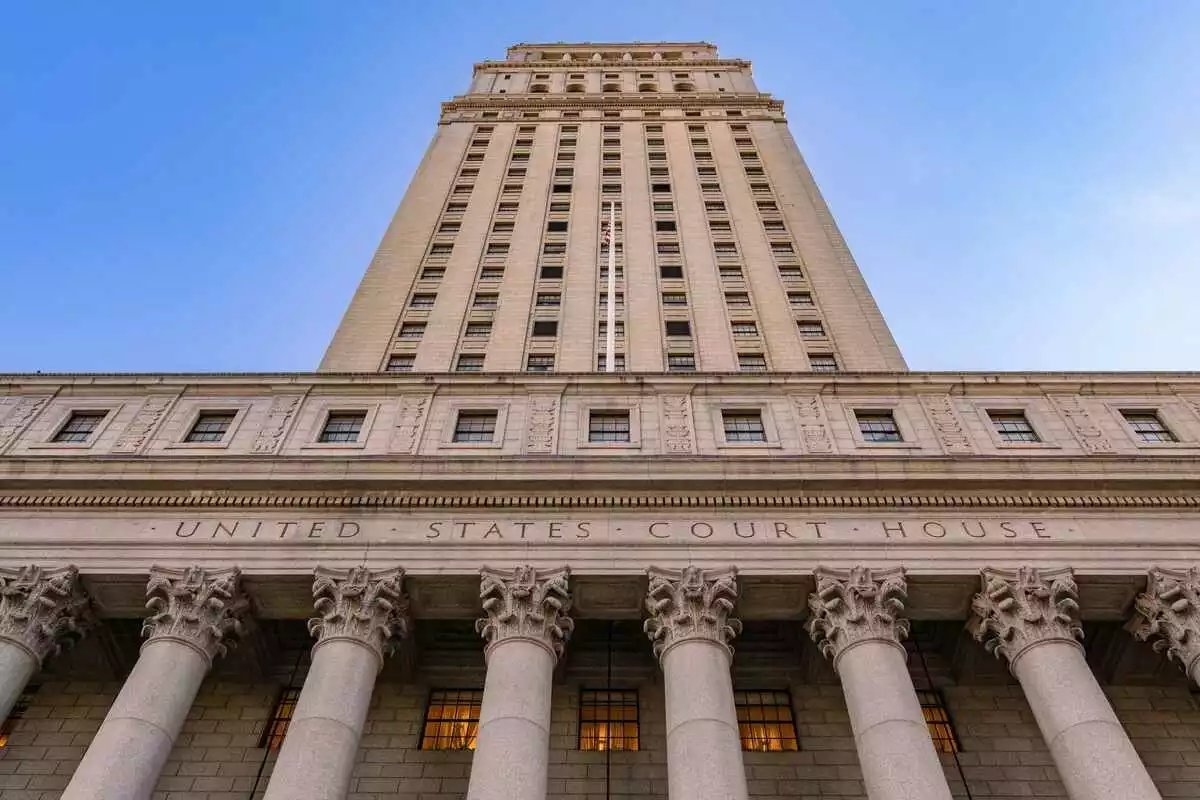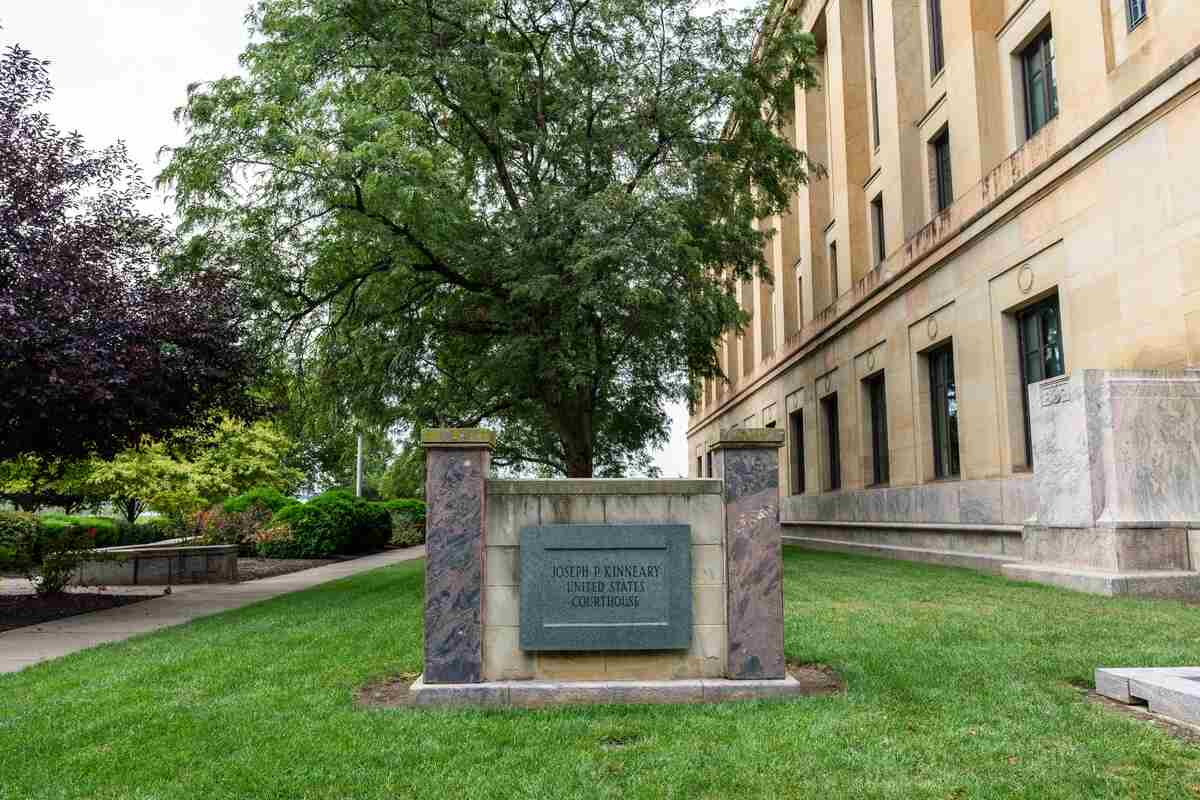
On Wednesday, the US Court of Appeals for the Ninth Circuit ruled that Kalshi’s sports contracts constitute Class III gaming activities under the Indian Gaming Regulatory Act of 1988, reversing a previous District Court decision that had denied a preliminary injunction to California tribes.
In a 3-0 ruling, the Ninth Circuit held that tribes are likely to succeed in their claims that Kalshi’s sports event contracts are “in violation of the compact between the tribes and the State of California,” and that sports predictions are not covered by the Commodity Exchange Act of 1936.
READ: Ninth Circuit Ruling – California Tribes vs. Kalshi and Robinhood (September 16th, 2026)
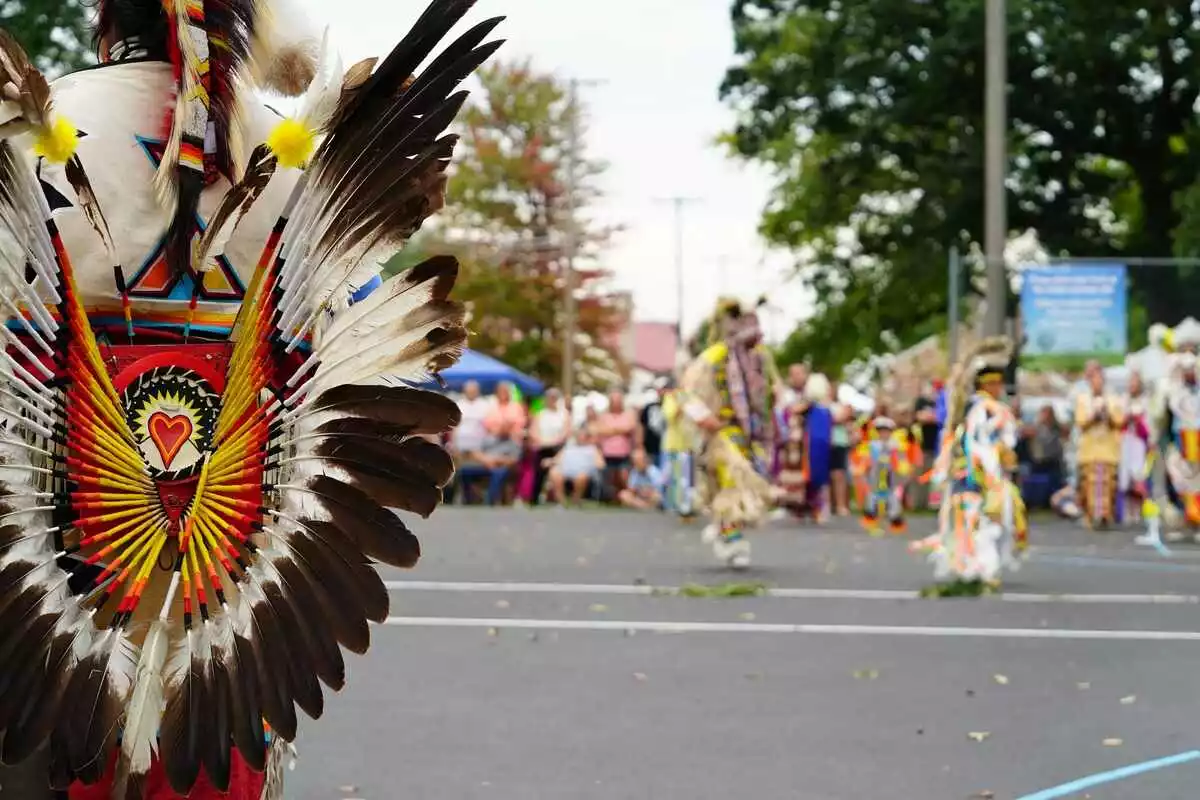
The Ninth Circuit’s opinion could have an eventual widespread impact on Kalshi’s ability to offer sports event contracts on tribal lands. Because the Ninth Circuit’s jurisdiction includes California, Oregon, and Washington, tribes in those states could legally seek to force prediction markets to geofence sports contracts within tribal territory.
“This does not mean Kalshi has to cease offering sports-event contracts on tribal lands. At least not yet,” stated legal expert Daniel Wallach in a Wednesday social media post. Yet many industry observers believe it is only a matter of time before more cases involving tribal challenges to prediction market sports contracts are filed throughout the country.
Washington and Oregon famously have legal online sports betting models that are heavily influenced by tribal interests. In Washington, online sports bets are only allowed to originate from tribal lands (specifically georestricted to tribal land-based casino properties). Washington residents and visitors cannot place an online sports wager from their homes or from a public location.
In Oregon, online sports betting is regulated by the Oregon Lottery, which has authorized a lone operator (DraftKings Sportsbook) to offer digital sports wagers to individuals located within the state’s borders. However, DraftKings Sportsbook is geofenced on all tribal lands in Oregon, meaning that online sports wagers can’t be placed if the mobile or desktop device is currently located on tribal territory.
While the CFTC and its authorized prediction exchanges argue that sports event contracts are financial derivatives covered by the CEA, the Ninth Circuit disagrees. The appeals court ruled Wednesday that the CEA’s “exclusive” remit does not cover Kalshi’s sports event contracts, and that the UIGEA does not displace IGRA.
The land-based Interstate highway network that Americans use today was secured through a combination of ROW (rights-of-way) agreements, forced land allotments, and federal government compensation to tribes. But digital commerce, particularly when it is interpreted as infringing upon tribal sovereignty, may not carry the same “public interest” weight that made the physical Interstate system possible.
Sports wagers (or sports predictions) made through the internet are much more susceptible to governance disputes, regardless of where physical servers are positioned. Meanwhile, laws on existing Interstate highway sections that intersect tribal lands are enforced through a mesh of local, state, federal, and tribal authorities.
Loading …