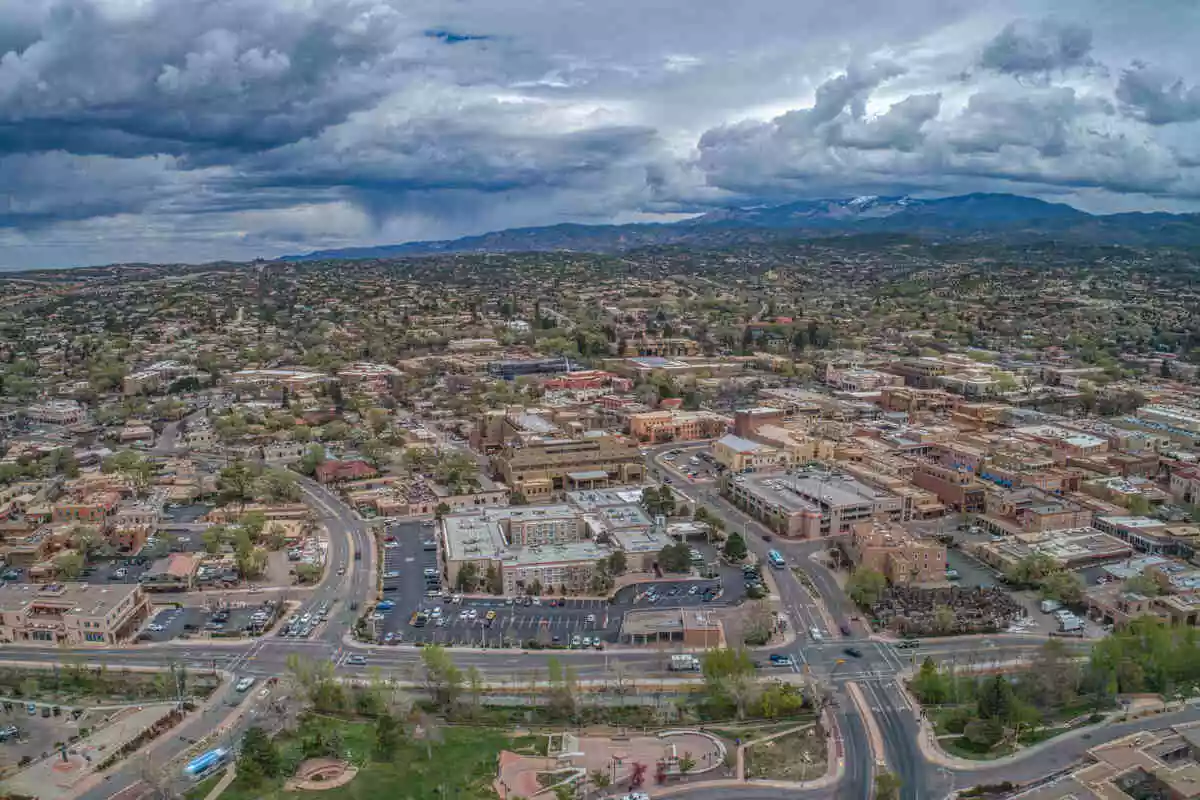
This time, it will be for real. Kalshi, the country’s most prominent CFTC-regulated prediction market platform, has entered into a settlement agreement with the Nevada Gaming Control Board (NGCB) to restrict its most popular event contracts within the state’s borders.
Barring an “emergency” action by the CFTC, all individuals located in Nevada will be unable to access Kalshi’s sports, entertainment, and election markets on or before August 12th, 2026. Even if the CFTC decides to intervene (as it did recently in Michigan), it is likely that Kalshi will opt to honor the agreement it reached with Nevada gaming authorities rather than face a potential $120,000 daily fine for non-compliance.
READ: NGCB Settlement with Kalshi (published July 24th, 2026)
Despite its official designation as a federally regulated prediction market exchange, Kalshi now faces pending geolocation restrictions in three states: Nevada, Michigan, and Washington. Earlier this month, Kalshi dissolved pending trades in adherence to a separate Michigan state court order, despite the CFTC’s issuance of an “emergency” order prohibiting the platform from doing so.
Massachusetts also secured a preliminary injunction against Kalshi earlier this year that restricts the platform from offering its sports contracts to individuals located in that state. Overall, the limited access brings the CFTC’s actual authority into question. While the federal agency remains in litigation against several states in a legal effort to enforce its claim of “exclusive jurisdiction over prediction markets,” the on-the-ground geofencing points to a different reality.
Both Underdog and Novig are in a position to directly compete with Kalshi in over two-thirds of the United States. Underdog launched its peer-to-peer exchange a week ago under CFTC authority. Noticeably, Underdog self-restricted its event contracts in numerous states where pending legal complaints against prediction markets have been filed.
For its part, Novig is expected to launch its own federally regulated sports event contracts by the start of the 2026-27 NFL regular season, but may likewise geofence those contracts in more than ten states. The two exchanges currently trail Kalshi and Robinhood by a significant margin in notional trading volume, but could make up much of the difference if Kalshi is forced to eventually block its products in more statewide jurisdictions.
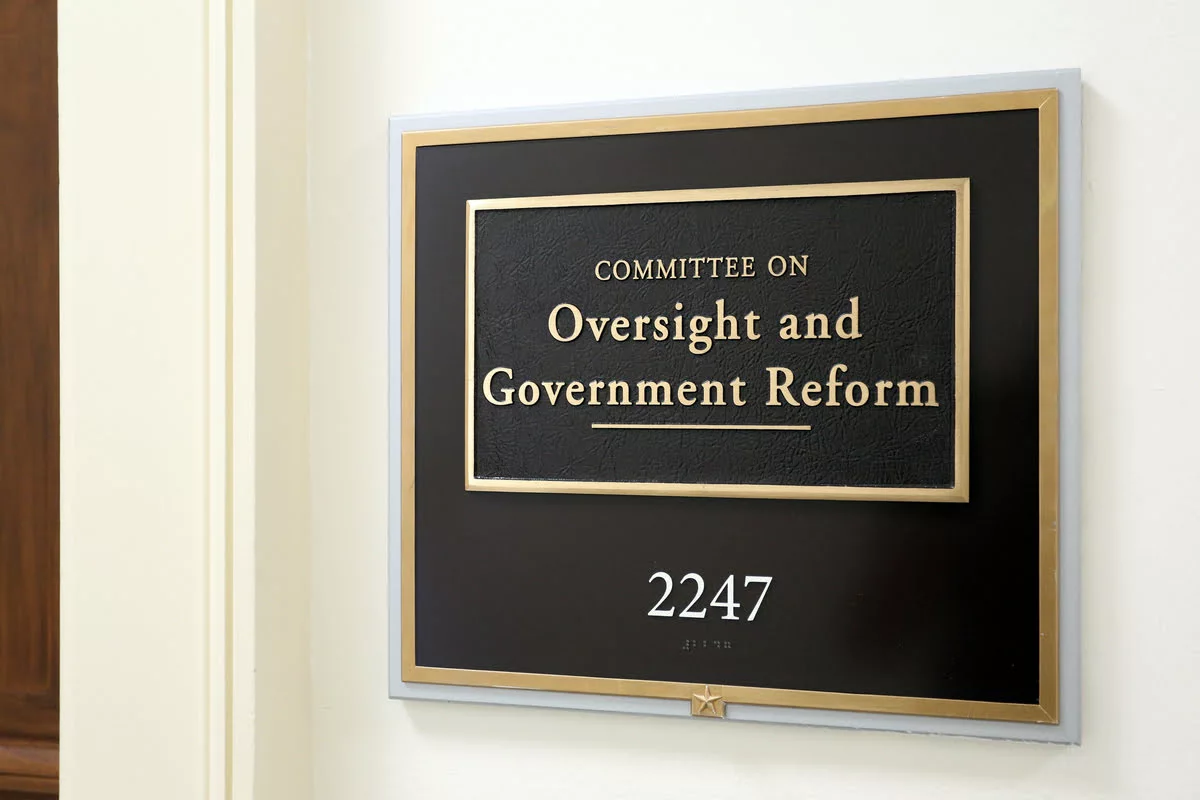
The Commodity Futures Trading Commission insists that it retains “exclusive” oversight for prediction market platforms. However, that claim is consistently eroding in the face of the intense legal pressure that state and tribal gaming authorities are placing on prediction markets. Yes, prediction platforms could choose a path of non-compliance with state court orders, but would risk hefty fines that potentially exceed $100,000 per day for doing so.
It is unknown whether the CFTC will issue another “emergency” authority claim to (seemingly) force Kalshi to continue offering its full product line to Nevada residents and visitors. At this point, a more viable option for the agency may be to let its various legal complaints against states play out in the courts, but that would likely prolong a definitive ruling until 2027 or 2028, when one or more of the cases make their way to the US Supreme Court.
Loading …