On Wednesday, the state of Kentucky filed separate lawsuits against prediction market exchanges Kalshi and Polymarket, alleging the platforms offer illegal sports betting to individuals who are 18+ and located in the state. Both civil complaints were filed in state court (the Franklin Circuit Court in Frankfort), in what has become a recurring trend in recent months due to the more favorable reception state courts may offer to local gambling laws compared to federal panels.
In a social media communication posted Wednesday, Kentucky Attorney General Russell Coleman said that “Kalshi and Polymarket are operating illegal sportsbooks in Kentucky and breaking our laws. These multi-billion dollar corporations and their legal fictions don’t pass the sniff test.”
Attorney General Coleman is referring to event contracts that the exchanges offer on sports contests. While Kentucky formally legalized retail and online sports betting in 2023, popular apps like FanDuel and DraftKings are state-regulated by the Kentucky Horse Racing and Gaming Corporation, with tax proceeds going to benefit state initiatives.
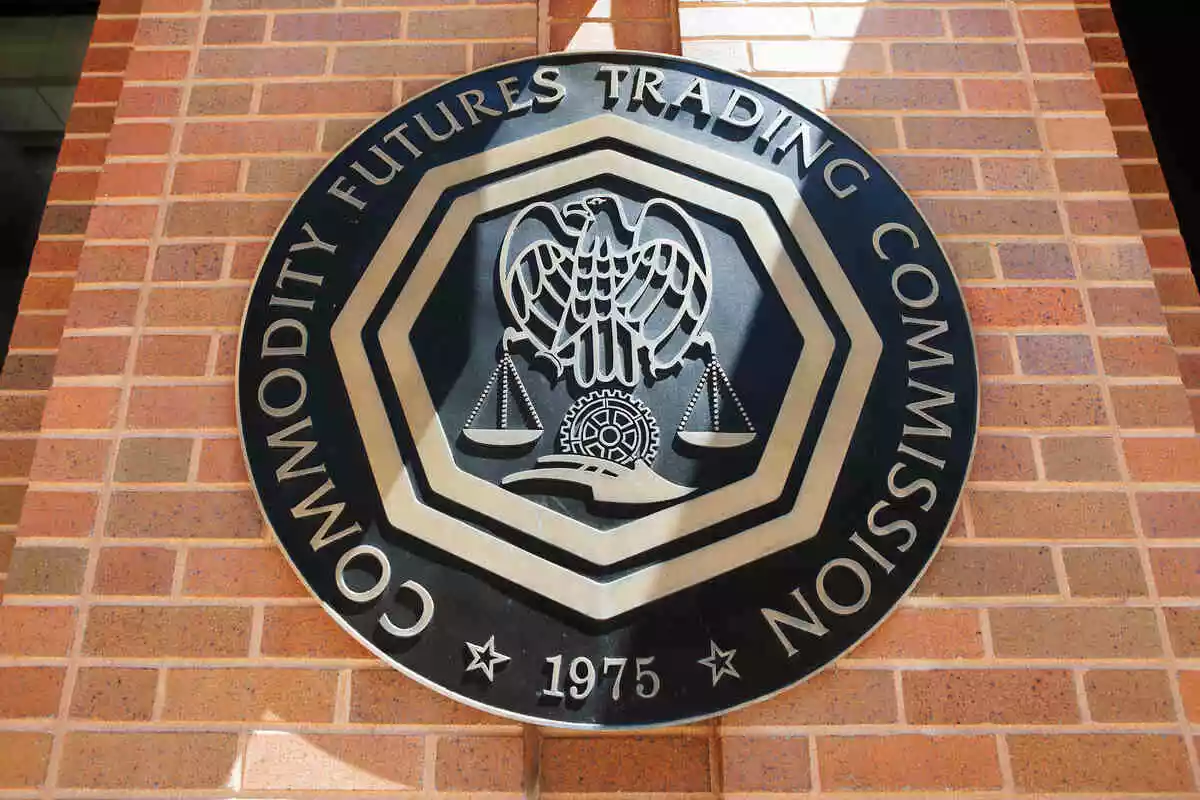
Prediction market sports contracts, on the other hand, are federally regulated by the Commodity Futures Trading Commission (CFTC) and are therefore exempt from state and tribal gaming laws, according to the exchanges and the federal agency. The seemingly endless disputes over how prediction market event contracts should be categorized and regulated have been playing out in courts across the nation, and are expected to ultimately find their way to the Supreme Court next year.
Kalshi and Polymarket weren’t the only corporate entities to find themselves on the defendant side of a Kentucky lawsuit Wednesday. According to local coverage provided by WKYT-TV (Lexington), the Attorney General has also submitted a lawsuit against VGW, the parent company of numerous sweepstakes casino apps including Global Poker, LuckyLand Slots, and Chumba Casino.
“This company may use new technology and a new scheme to hide, but the reality is the same,” Coleman told the CBS affiliate. “Our Office has a duty to stop illegal gambling in Kentucky regardless of how it’s packaged.” The lawsuit against VGW references how sweepstakes operators use virtual tokens to enable, according to the state, casino-style gambling by allowing customers to redeem premium coins for cash.
A “first-of-its-kind” law to locally tax all prediction market transaction fees was passed by Kentucky legislators in April, and remains on course to take effect on January 1st, 2027. The excise tax has resulted in the state being sued by the Coalition for Fair Markets, which argues that the law is both excessive and void. According to the CFM’s legal complaint against Kentucky, prediction market event contracts – even the ones that are related to sports contests – fall under the full regulatory remit of the CFTC.
The federal agency agrees with the legal interpretation put forth by prediction exchanges, and has moved to block several states from enforcing their gaming laws against platforms such as Polymarket, Kalshi, Coinbase, and Crypto.com. For the time being, the battle over prediction markets will continue as it is heard by various state and federal court panels, leading up to a potential SCOTUS ruling in 2027 or 2028.
Loading …