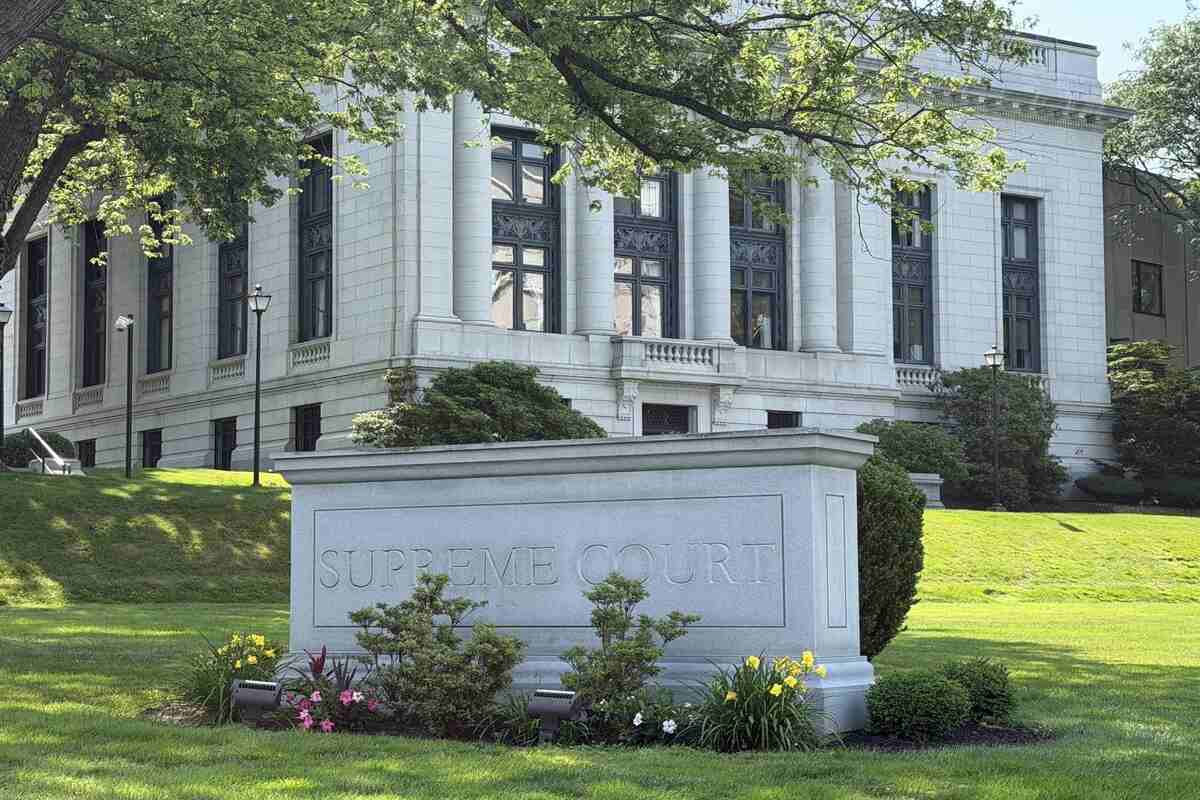
Kalshi, the most popular CFTC-regulated prediction market platform in the United States, is staring down another state court ruling that could force it to geo-restrict its sports-based event contracts. Earlier this week, a Washington state court found that Kalshi’s event contracts tied to sports outcomes violate state law.
The court’s preliminary injunction against Kalshi allows both parties in the case to submit geofencing proposals to the court by August 3rd, with a subsequent court order planned for August 5th or later. The state court ruling (King County) means that Kalshi now faces imminent geofencing restrictions on at least some of its contracts in three states: Washington, Michigan, and Nevada.
“States don’t have jurisdiction to regulate prediction markets,” stated Kalshi Communications Director and former White House Policy Communications Director Jacki McGavick in a social media post on Monday. “Many courts — including the Third Circuit — have made this clear. We’re disappointed to see Washington State continue wasting taxpayer dollars.”
McGavick’s comments align with the legal stance held by the Commodity Futures Trading Commission. The CFTC has repeatedly claimed that it enjoys “exclusive jurisdiction over prediction markets.” The federal agency is currently engaged in legal battles against multiple states to secure prediction event contracts’ status under a federal regulatory framework.
Over the weekend, Underdog officially launched its CFTC-regulated prediction market exchange as it seeks to compete against Kalshi and Robinhood for United States customers. Contrary to Kalshi, the Underdog exchange is currently limited in more than 10 states as legal debates over the categorization of sports event contracts as “trades” or “bets” play out in courts across the nation.
Kalshi, on the other hand, is currently engaged in multiple statewide legal battles while continuing to offer its full product line (including sports-related event contracts) in all 50 states. Despite Kalshi’s claims that it had geofenced sports, entertainment, and politics markets from individuals located in Nevada, a separate investigation by Nevada gaming authorities found that trading on those contracts was still possible within the state’s borders.
At the current rate, Underdog could theoretically increase its relatively small yet meaningful US market share by further enhancing its app features while Kalshi is bogged down in seemingly nonstop legal battles. Many legal experts project that the earliest possible date for a US Supreme Court ruling on one or more prediction market cases is 2027, although some are opining that 2028 is more likely.
Last week, Kalshi confirmed that it had complied with a Michigan state court order to dissolve contracts that were owned by individuals who reside in Michigan. Kalshi’s decision to do so was in conflict with the CFTC’s decision to invoke “emergency” authority to prevent that from happening.
In practice, trends point to the CFTC being unable to exercise its preemptive authority over state governments that are suing to enforce their gambling laws on prediction market sports contracts. Kalshi could soon be unavailable in three or more states, while Underdog, during its formal launch this past weekend, blocked most of its event contracts from potential customers in more than ten jurisdictions.
Loading …